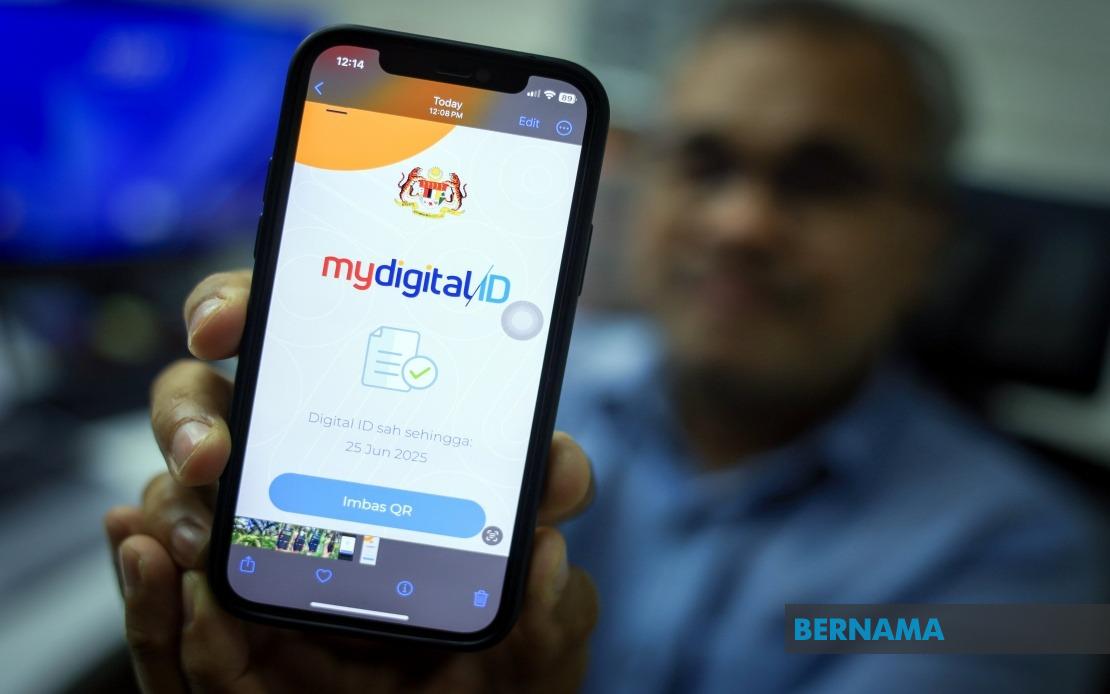
The digital identity initiative has reached a significant milestone, with Deputy Prime Minister Datuk Seri Dr Ahmad Zahid Hamidi announcing that 12 million Malaysian citizens have successfully registered for the MyDigital ID platform as of June 30. The uptake reflects growing public engagement with the government's push towards a unified digital ecosystem, where citizens can access multiple services using one authentication credential. The figures underscore both the ambition of Malaysia's digital transformation agenda and the scale of administrative coordination required to bring such an initiative to fruition across the country's complex governance structure.
Beyond raw registration numbers, the ecosystem has already processed 16 million distinct transactions encompassing account creations, identity renewals, and cancellation requests. This transaction volume indicates substantial daily usage patterns and suggests that the platform is moving beyond mere pilot status into genuine operational maturity. The transaction data point is particularly instructive for policymakers assessing whether citizens regard MyDigital ID as a convenience tool or merely a compliance checkbox—the repeat interaction patterns suggest genuine utility adoption rather than one-time registrations gathering digital dust.
The government's strategic direction on MyDigital ID crystallised in January 2025 when the Chief Secretary to the Government issued a binding directive requiring comprehensive implementation across the entire public sector apparatus. The mandate extends beyond federal ministries and departments to encompass statutory bodies, state secretariats, and local authorities, reflecting an understanding that fragmented digital systems undermine the broader e-government vision. This top-down approach signals that Malaysia's leadership recognises digital identity integration as a critical governance modernisation objective rather than an optional enhancement to service delivery.
Progress on service integration has been substantial but uneven. As of June 25, 2026, MyDigital ID now provides single sign-on access to 114 integrated online government services at the federal level. The list of integrated platforms reads as a cross-section of frequently accessed government portals: MyJPJ for road transport matters, MyPTPTN for tertiary education loan administration, SPA9 for public sector recruitment, and the Royal Malaysia Police's MyBayar payment platform. Each integration represents months of technical development and coordination between the National Digital Department (JDN) and individual agencies with legacy systems requiring retrofitting.
The MyGOV Malaysia platform, developed by JDN as a centralised portal, represents the digital infrastructure backbone enabling this consolidated access. Rather than citizens bookmarking dozens of disparate government websites and maintaining separate login credentials for each, MyGOV Malaysia with MyDigital ID authentication theoretically reduces login friction and cognitive burden. For elderly citizens or those with limited digital literacy, consolidating authentication mechanisms could substantially improve accessibility to essential services, though uptake patterns may still favour younger, urban demographics initially.
State-level integration efforts, while progressing, reveal the complexity of coordinating digital initiatives across Malaysia's federal system. Nineteen state government applications have been integrated with MyDigital ID to date, while a further 28 applications remain under development pipelines. The variance in integration readiness across states reflects differing technical capacity, funding availability, and IT personnel expertise. Wealthier states with established IT departments may accelerate integration, potentially creating a two-tier digital government experience where some citizens enjoy seamless access to consolidated state and federal services while others navigate fragmented systems.
For Malaysian citizens, the expansion of MyDigital ID integration has tangible consequences for how they interact with government. A resident seeking to renew a driving license through MyJPJ, check the status of their education loan through MyPTPTN, and pay a police fine through PDRM MyBayar can theoretically accomplish all three tasks through a single authentication gateway rather than juggling multiple usernames and passwords. This consolidation reduces administrative friction and should theoretically lower barriers to accessing services, particularly for citizens managing multiple government interactions simultaneously.
The initiative carries important implications for Malaysia's broader digital economy ambitions and cybersecurity posture. A consolidated national digital identity system creates both opportunity and risk. Properly executed, MyDigital ID could become a foundational infrastructure layer supporting fintech services, e-commerce platforms, and private-sector digital innovations seeking reliable identity verification. Conversely, a single compromised authentication system could expose millions of citizen records simultaneously, making cybersecurity investment and data protection governance absolutely critical to the platform's long-term viability and public trust.
Regional context adds another dimension to Malaysia's MyDigital ID rollout. Singapore's Singpass and Indonesia's digital identity initiatives represent competing models for how Southeast Asian governments are approaching citizen digital authentication. Malaysia's approach of mandating integration across government agencies while pursuing voluntary private-sector adoption represents a middle path between these alternatives. The success or failure of MyDigital ID will likely influence how other Southeast Asian nations structure their own digital identity architectures.
The parliamentary response from Wong Shu Qi (PH-Kluang), seeking clarification on registration rates and integration timelines, reflects appropriate legislative oversight of what amounts to a significant infrastructure investment with long-term operational implications. As the government continues integrating additional services, sustained parliamentary scrutiny regarding data security, privacy safeguards, and equitable access across demographic groups will remain essential for maintaining public confidence in the system.
Moving forward, the government's trajectory suggests accelerating integration targets in the coming months. The initial 114 federal services represent substantial coverage of frequently accessed government functions, but many specialised services remain outside the MyDigital ID ecosystem. Reaching the technical capability to integrate the remaining services, combined with addressing implementation challenges at the state level, will largely determine whether MyDigital ID achieves its potential as a transformative digital government infrastructure or remains a partially adopted system where citizens still navigate multiple authentication portals depending on their service needs.

