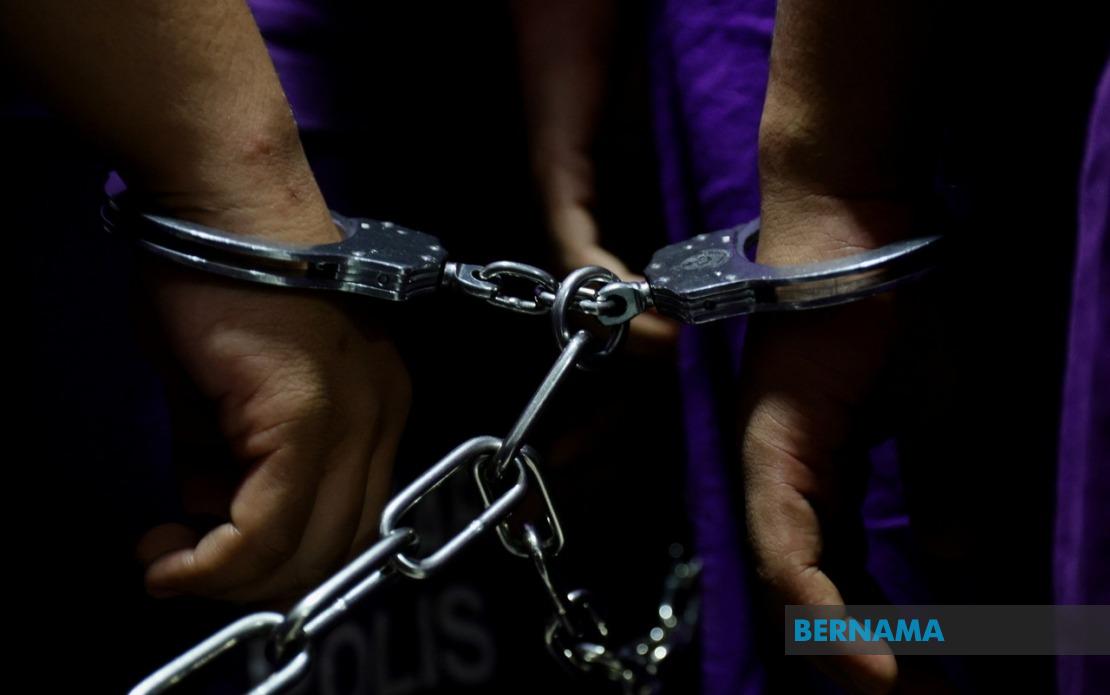
Authorities in Myanmar's Mandalay region have arrested 13 individuals—comprising 10 men and three women—in connection with a series of gold shop robberies that have troubled the central region's commercial sector. The coordinated arrests represent a significant police operation targeting organised jewellery theft networks that have plagued local merchants and raised concerns about security in retail establishments across the economically important city.
The investigation centred on a robbery at the Millionaire Gold Shop located in Chanmyathazi Township on July 20. Police apprehended six men directly implicated in this incident, alongside five additional individuals later linked to the same criminal operation. The discovery of these connections illustrates the sophisticated nature of the robberies, with evidence suggesting involvement of larger criminal networks rather than isolated incidents. Such interconnected networks are common in major Southeast Asian cities where organised crime groups specialise in precious metals theft.
During arrest and search operations, authorities recovered significant material evidence from the suspects' possession. The haul included more than 42 ticals, equivalent to approximately 0.7 kilogrammes of gold jewellery, along with cash sums that authorities have not yet publicly quantified. The seizure of a pistol, two magazines containing 27 bullets indicates the suspects were armed during their criminal activities, elevating concerns about the potential for violence in commercial robbery crimes throughout the region. Additionally, investigators recovered four motorcycles believed used in executing the robberies, a slingshot, and 31 bolts—items commonly employed in forced entry situations.
The investigation took a significant turn when authorities discovered that three of the six men arrested in the Millionaire Gold Shop case had previously perpetrated another major heist. These individuals had allegedly conducted a robbery at the Paw Oo Gold Shop in Mahaaungmyay Township on October 30, 2023, indicating a pattern of repeat offending spanning several months. This revelation suggests that serious jewellery theft in Myanmar's commercial centres may involve coordinated criminal groups with institutional knowledge of gold shop layouts, security measures, and operational vulnerabilities.
Following leads generated by the three suspects' involvement in the earlier robbery, police apprehended two additional individuals accused of collaborating in the Paw Oo Gold Shop operation. The network's persistence and apparent success over multiple months before detection raises questions about security practices at precious metals retailers in Myanmar and whether coordination between shop owners and law enforcement regarding security threats exists. For Malaysian merchants and business operators monitoring regional security trends, the case demonstrates the transnational nature of organised retail crime in Southeast Asia.
The coordinated nature of these robberies and the recovery of multiple vehicles, firearms, and significant quantities of precious metals suggest professional criminal organisation. The involvement of women in the operation, though not yet detailed by authorities, indicates flexible group structures adapted to evading detection. Law enforcement agencies across Myanmar and neighbouring countries including Malaysia have increasingly recognised that such networks often operate with sophisticated division of labour, with different members assuming specialised roles in surveillance, execution, and merchandise distribution.
Legal proceedings have been initiated against all 13 arrested suspects, positioning the Myanmar justice system to assess culpability and impose sentences that might deter similar activities. However, authorities have publicly acknowledged that investigation remains ongoing, with statements indicating that additional suspects remain at large. This acknowledgment reflects the likelihood that the arrested individuals represent only portions of larger operational networks, with other members possibly involved in planning, logistics, or receiving stolen goods.
For Myanmar's retail sector, particularly jewellers and precious metals dealers, the case underscores vulnerabilities in physical security infrastructure and the necessity of enhanced protective measures. Many gold shops across Southeast Asia, including Myanmar, operate with relatively basic security systems compared to international standards, creating attractive targets for organised theft networks. The concentration of high-value merchandise in accessible retail locations makes such establishments particularly vulnerable to coordinated robbery attempts.
The investigation's evolution—beginning with a single shop robbery and expanding to reveal multiple incidents—demonstrates effective police detective work but also suggests that shoplifting and organised retail theft may be more prevalent than public awareness indicates. For Malaysian business owners with operations or interests in Myanmar, the case provides cautionary context regarding operational security considerations when establishing retail establishments in the region.
Beyond the immediate arrests, the case raises broader questions about organised crime patterns throughout Myanmar and Southeast Asia. The firearms recovered suggest access to weapons markets, potentially indicating connections to armed groups or illegal weapons trafficking networks. The sophisticated coordination required to execute multiple robberies across different townships implies communication and logistical networks worthy of sustained law enforcement attention.
As investigations continue, authorities face the challenge of dismantling the operational infrastructure supporting these criminal networks. Success will require not only apprehending remaining suspects but also disrupting the distribution chains through which stolen jewellery and precious metals enter black markets. Regional cooperation between Myanmar police and neighbouring law enforcement agencies, including Malaysian authorities, could enhance effectiveness in addressing transnational elements of precious metals trafficking.

