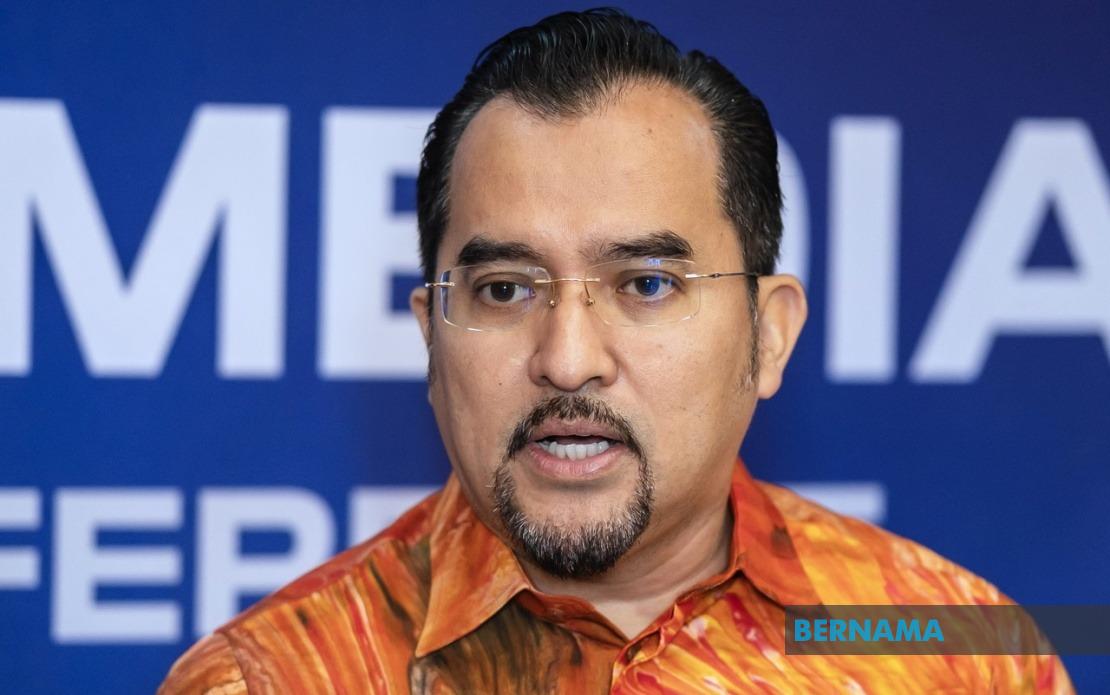
Malaysia is deploying 16 military veterans as full-time wardens across eight MARA Junior Science Colleges beginning Wednesday, marking the second phase of a programme designed to reinforce institutional discipline and address student welfare concerns. The appointments come as Malaysian educational institutions continue to grapple with reports of bullying and disciplinary lapses in residential settings, prompting authorities to explore workforce strategies that leverage the experience and authority of former military personnel.
Mara Chairman Datuk Dr Asyraf Wajdi Dusuki outlined the expansion of what started as a pilot initiative at MRSM Besut and MRSM Balik Pulau in October last year. The current phase will install 32 wardens across the targeted institutions, with a gender-balanced approach of two male and two female staff members per college. The introduction of female wardens represents a significant shift in hostel management practice, reflecting evolving understanding of student care and safeguarding requirements in mixed-gender residential environments.
The recruitment process has been notably rigorous, with particular emphasis on safeguarding protocols that extend far beyond conventional screening. Physical interviews conducted on June 15 and 16 at the MARA Higher Skills Institute in Kepong drew 147 candidates, including 139 male applicants who had successfully navigated initial and second-stage assessments. For female positions, the programme received 162 applications, with an online assessment completed on June 25 and further physical interviews scheduled for July 2. This robust candidate pipeline demonstrates sufficient interest from the veteran community, though the stringent vetting process means not all applicants will proceed to appointment.
The selection framework involves multiple government and private sector partners working in concert. Glokal Link Sdn Bhd, a MARA subsidiary, coordinates the process alongside the MARA Secondary Education Division, the Veterans Affairs Department, TalentCorp, and the Malaysian Armed Forces Psychology and Counselling Section. This multi-agency approach reflects government recognition that warden appointments demand competency spanning discipline, psychological awareness, and institutional safeguarding rather than military credentials alone.
Critically, the vetting system prioritises integrity and child protection above all other considerations. Candidates must be recognised ATM veterans who completed service honourably, without discharge for misconduct, serious disciplinary offences, or legal violations. Before any offer letter is issued, GLSB ensures completion of verification against criminal records held by the Royal Malaysia Police and screening against the child sexual offenders registry. This layered approach addresses public concern about safeguarding in residential educational settings, a topic that has gained prominence across Southeast Asia following various institutional scandals.
The assessment methodology extends beyond traditional interviews to encompass sophisticated psychometric evaluation. Candidates undergo the MyNext OCEAN personality test and RIASEC vocational assessments alongside military psychological evaluations. Physical fitness is assessed using the bleep test, with body mass index screening forming part of overall health evaluation. This comprehensive approach reflects evolving best practices in personnel selection for roles involving child welfare and protection, moving beyond assumptions that military service automatically qualifies individuals for educational institutional work.
Psychological suitability represents perhaps the most novel aspect of the screening process. Before finalisation of employment offers, shortlisted candidates face psychological and biofeedback evaluations conducted by Malaysian Armed Forces psychologists and counsellors. These assessments specifically target child protection awareness, sexual misconduct risk factors, impulse control, understanding of appropriate warden-student boundaries, and overall psychological fitness for hostel placement. This demonstrates sophisticated recognition that safeguarding depends not merely on criminal records but on psychological temperament and professional understanding.
Datuk Dr Asyraf Wajdi emphasised that no appointment letter will issue until all critical screening concludes, establishing that candidate qualification, clean records, demonstrated integrity, and demonstrated suitability for student care represent non-negotiable appointment criteria. This declarative stance responds implicitly to public scrutiny of institutional safeguarding, signalling that MARA views this programme as subject to heightened accountability standards. For Malaysian parents and educational stakeholders, such explicit commitment to procedural rigour may help rebuild confidence in residential college management following previous concerns.
The programme expansion reveals ambitious scaling intentions. Following the July 1 deployment across eight institutions and subsequent appointment of female wardens, a third phase is scheduled to commence on January 1, 2027, with plans eventually to extend coverage across all 58 MRSMs nationwide. This phased rollout allows for consolidation of practices and refinement of procedures before system-wide implementation, reducing risks associated with rapid institutional change while permitting evaluation of programme effectiveness in the initial cohort.
For Malaysia's military veteran community, the initiative offers meaningful post-service employment opportunity aligned with their disciplinary background and experience managing young people in structured environments. The programme potentially provides dignified transition pathways for personnel completing their service, while simultaneously addressing institutional staffing requirements. However, the stringent psychological and safeguarding assessments mean positions remain highly competitive, with the majority of applicants unlikely to proceed.
The timing reflects broader Malaysian government emphasis on strengthening discipline within education institutions as a response to persistent bullying reports and welfare concerns. By introducing military-trained personnel into residential oversight roles, authorities implicitly signal that traditional administrative and teaching staff arrangements have proven insufficient for addressing student conduct issues. However, the supplementary psychological screening suggests government recognition that military discipline alone cannot address the complex dynamics of adolescent institutional life.
Regionally, Malaysia's approach offers a model that Southeast Asian neighbours grappling with similar institutional discipline challenges may observe with interest. The integration of veteran employment policy with educational safeguarding and psychological assessment frameworks demonstrates sophisticated understanding that institutional reform requires coordinated attention to multiple policy domains simultaneously. As implementation proceeds through 2026 and 2027, documented outcomes regarding bullying reduction, student welfare indicators, and warden effectiveness may influence educational management practices across the region.

