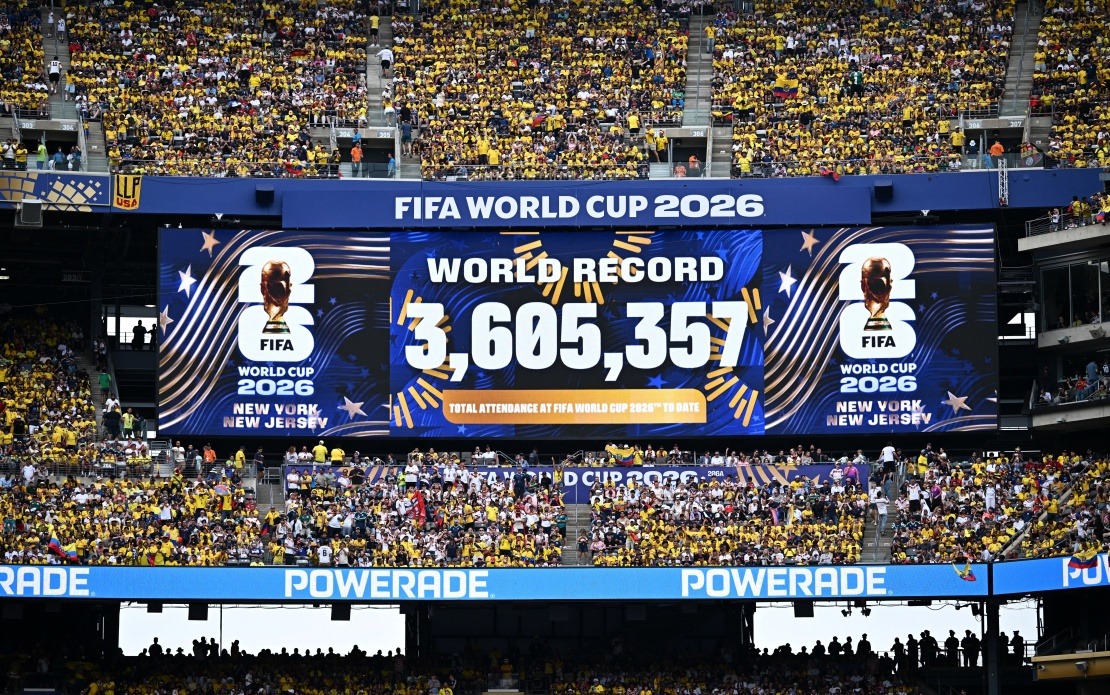
The 2026 FIFA World Cup has cemented its place in sporting history by becoming the best-attended tournament ever staged, having drawn 3,605,357 spectators across its matches so far. The milestone was announced during Germany's clash against Ecuador at East Rutherford in New Jersey on Thursday, with the historic figure displayed on the stadium's giant screens to thunderous applause from the crowd. The new record surpasses the previous benchmark set during the 1994 World Cup, which attracted nearly 3.6 million fans across 52 matches when the tournament format featured only 16 teams competing.
What makes the current achievement particularly striking is the remaining trajectory of the tournament. With 48 matches still to be played, total attendance figures have the potential to nearly double the longstanding 1994 record. The expanded 2026 format, which features 48 teams instead of the traditional 16, has fundamentally transformed the scale of the competition and the volume of matches required to determine a champion. This structural change, combined with unprecedented demand for tickets, suggests final attendance numbers could reach well beyond 7 million fans by the tournament's conclusion.
The enthusiasm for the tournament is reflected in the exceptional utilization of venue capacity. Across all stadiums hosting matches, occupancy rates have averaged more than 99 per cent, indicating that grounds are nearly filled to maximum capacity on almost every matchday. This extraordinary level of attendance demonstrates the deep appetite for World Cup football across the host regions and the wide geographic distribution of fan bases supporting the competing nations. The tight scheduling and balanced distribution of fixtures across 16 host cities have undoubtedly contributed to this unprecedented accessibility and attendance performance.
FIFA President Gianni Infantino characterized the record as a testament to the universal appeal of football and its unique capacity to unite diverse populations in celebration and shared passion. The scenes witnessed across the various stadiums and host cities have been described as exceptional, reflecting not merely statistical achievements but genuine moments of collective joy and sporting enthusiasm. For Infantino, the milestone underscores why football remains the world's most popular sport and its continuing ability to transcend cultural and geographical boundaries in ways few other global events can achieve.
The 2026 tournament's success in attracting record crowds carries significant implications for the international football calendar and FIFA's commercial planning for future competitions. The data demonstrates that when World Cups are expanded and distributed across multiple host cities with strong local fan bases, attendance demand far exceeds historical norms. This pattern could influence how FIFA structures subsequent tournaments and which bidding nations are selected as hosts, with preference potentially shifting towards larger consortiums capable of staging matches across numerous stadiums and population centres.
For Southeast Asian observers and football enthusiasts in the region, the 2026 World Cup's attendance record reflects the growing globalization of football viewership and the increasing accessibility of international tournaments through expanded formats. The expanded 48-team structure means more nations have genuine opportunities to participate, potentially including more teams from Asia and Africa in future competitions. Malaysia and its neighbouring countries benefit from this inclusive approach, as it enhances the prospects for regional teams to qualify and compete on the world stage, thereby increasing local interest and investment in football development.
The economic implications of the record attendance are substantial. Each additional spectator generates revenue through ticket sales, stadium operations, hospitality services, and ancillary spending. The near-total occupancy rates suggest that host venues have optimized pricing strategies while maintaining broad public access to matches. This financial success provides incentives for host cities and nations to invest further in stadium infrastructure and football development programmes, creating long-term benefits that extend well beyond the tournament itself.
The Germany versus Ecuador match, during which the attendance record was officially announced, became a symbolic moment capturing the global enthusiasm surrounding the competition. Stadium announcements of such milestones carry emotional weight for supporters present, creating memorable experiences that deepen their connection to the tournament and the sport itself. Such moments become part of football folklore and contribute to the tournament's broader cultural impact across the host nations.
Looking at the remaining 48 matches, sustained high attendance levels would represent an unprecedented achievement in World Cup history. Maintaining 99 per cent occupancy rates through the knockout stages, semi-finals, and final would require continued strong demand, effective venue management, and continued global interest in the tournament. The distribution of matches across multiple time zones and host cities aids this objective, as it provides viewing opportunities across different regions and accommodates supporters from various nations in convenient locations.
The 2026 World Cup's attendance trajectory also reflects changing fan behaviours and increased disposable income in developed economies hosting the tournament. Enhanced transportation infrastructure, hotel availability, and entertainment options in host cities have made attending matches more feasible for international supporters. The competition's duration and the number of matches mean that fans have multiple opportunities to attend events in their region, rather than being forced to travel to a single host country.
As the tournament progresses toward its conclusion, the attendance record serves as a barometer of football's enduring commercial strength and global appeal. Whether the projected doubling of previous records materializes will depend on continued strong fixture attendance and sustained public engagement through the knockout stages. Current trends suggest this milestone is not only achievable but likely to be exceeded, setting new benchmarks for all future international football tournaments.

