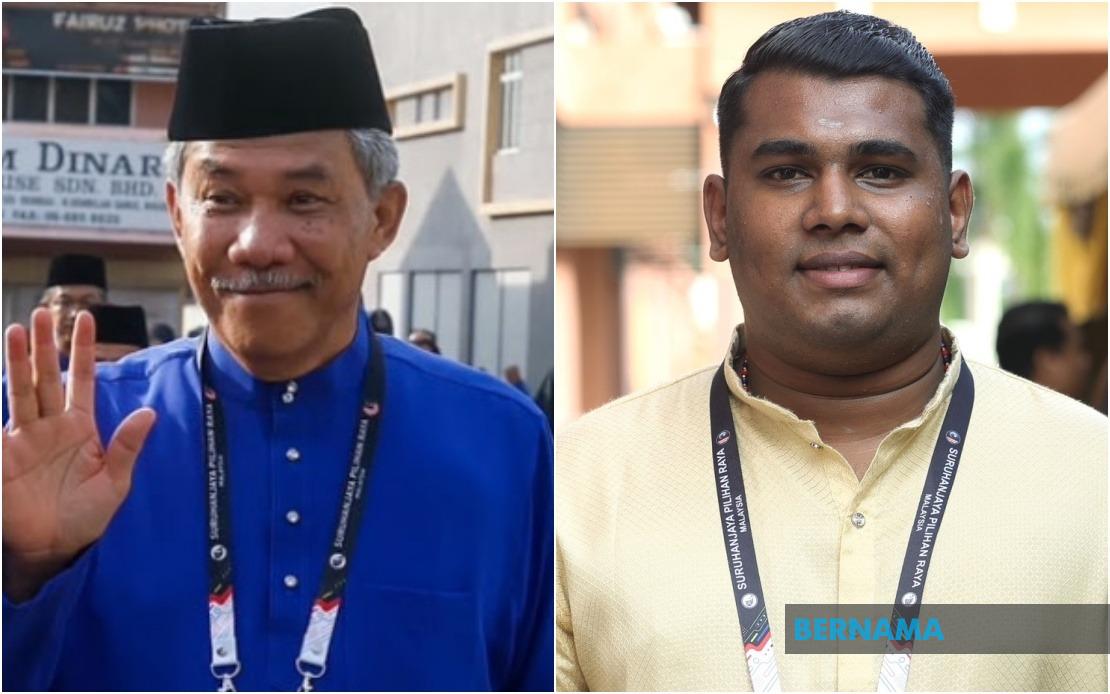
M. Leevineshwaraan has claimed the distinction of being the youngest contestant in the 16th Negeri Sembilan state election, marking a generational shift in Malaysian electoral participation. At just 23 years old, the Bersatu representative is attempting to capture the Sri Tanjung state seat in what promises to be a competitive five-candidate showdown, betting that youthful energy and fresh perspectives will resonate with voters seeking change from incumbent representation.
Leevineshwaraan faces his most significant hurdle in defending champion Datuk Dr G. Rajasekaran of Pakatan Harapan, who successfully retained the seat in the previous election with a commanding margin of 3,996 votes. This victory demonstrates the seat's historical alignment with the coalition, presenting the young Bersatu candidate with an uphill struggle to dislodge an entrenched opponent. The Sri Tanjung contest occurs within Port Dickson's broader electoral geography, where 19,590 registered voters hold the ultimate decision-making power when they head to polling stations.
The emergence of youthful candidates reflects broader demographic shifts in Malaysian politics, though youth representation remains limited. The record for youngest candidate was previously held by Muhammad Syakir Fitri Sadri, who stood as an Independent at age 25 during the 2023 state elections in the Paroi constituency. Leevineshwaraan's candidacy therefore represents not merely an individual achievement but part of an emerging pattern where parties are increasingly willing to field younger hopefuls, potentially indicating recognition that generational diversity strengthens electoral appeal.
At the opposite end of the age spectrum, the election features two septuagenarian frontrunners commanding significant political experience and institutional backing. Barisan Nasional's deputy chairman Datuk Seri Mohamad Hasan and Pakatan Harapan's Abd Latif A Tambi both reached the age of 70, establishing themselves as the election's most senior contestants. Mohamad is mounting a defence of the Rantau seat situated within Rembau parliamentary constituency, where 34,831 voters are registered, whilst Abd Latif contests Gemencheh within Tampin, drawing on an electoral base of 24,916 eligible voters.
Both senior candidates face decisive contests rather than comfortable walkovers. Mohamad's Rantau race involves a straight two-way battle, as does Abd Latif's Gemencheh competition, eliminating the complications of multi-cornered contests that can fragment vote totals unpredictably. This binary structure permits clearer ideological and personality-driven contrasts, allowing voters to make stark choices between established political figures representing divergent coalitions and governing philosophies.
The previous election featured an even older candidate, with Bujang Abu contesting as an Independent at age 72. However, Bujang's absence from this electoral cycle demonstrates the Election Commission's heightened scrutiny regarding documentation requirements. His inability to furnish requisite paperwork exemplifies administrative hurdles that can disqualify candidates regardless of age or experience, underscoring how bureaucratic processes gate electoral participation alongside residency and citizenship criteria.
Gender representation in this election shows modest improvement, addressing persistent imbalances in Malaysian electoral candidacy. Nine women from a total of 103 candidates are contesting, up slightly from the eight women among 83 candidates in the previous election. Pakatan Harapan leads gender-inclusive recruitment with four female candidates, suggesting the coalition recognises electoral benefits in demonstrating diversity and reflecting the broader Malaysian population's demographic composition across candidate slates.
This incremental progress in female candidacy, whilst notable, still represents an understated presence in electoral contests. Women comprise slightly fewer than nine percent of the field, markedly underrepresenting their share of registered voters and the general population. The gender gap in electoral candidacy reflects historical structural barriers within party organisations, candidate selection processes that have traditionally favoured men, and possibly lingering assumptions about voter preferences that disadvantage female aspirants despite evidence suggesting capable women candidates perform comparably to male counterparts.
Logistical arrangements for the Negeri Sembilan election demonstrate the Election Commission's comprehensive planning and commitment to accessibility. Early voting opportunities scheduled for July 28 enable voters with mobility constraints, work obligations, or scheduling conflicts to participate without waiting for the primary polling day. This flexibility represents election administration best practice, removing artificial barriers to suffrage and expanding democratic participation beyond those able to vote exclusively on August 1. The early voting option acknowledges that rigid election scheduling inadvertently disadvantages certain voter demographics, particularly shift workers, rural residents requiring extended travel, and individuals with family obligations.
The broad age spectrum spanning Leevineshwaraan's youth through Mohamad and Abd Latif's seniority encapsulates Malaysian political representation's intergenerational character. These competing age cohorts bring contrasting perspectives shaped by distinctive historical experiences—younger candidates navigating digital-era politics and climate consciousness against senior figures rooted in developmental economics and nation-building narratives. Their simultaneous candidacy illustrates how Malaysian elections accommodate both experienced practitioners maintaining institutional continuity and emerging voices advocating alternative political directions, permitting voters to exercise meaningful choice across ideological and generational preferences. The Negeri Sembilan election thus serves as a microcosm of broader tensions within Malaysian democracy, balancing institutional stability with progressive transformation.

