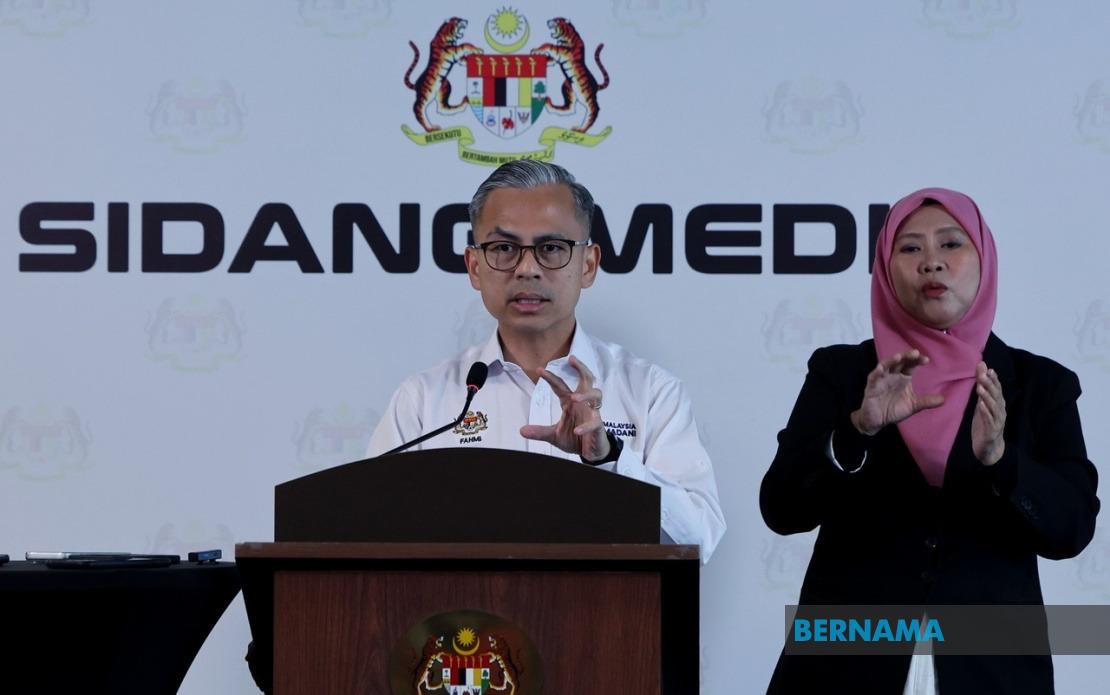
A significant parliamentary engagement lies ahead as Malaysia prepares for an extended debate on the Royal Commission of Inquiry findings concerning Tabung Haji, with over three dozen lawmakers confirmed as participants. Communications Minister Datuk Seri Fahmi Fadzil disclosed that between 35 and 40 Members of Parliament have expressed their intention to take part in the special sitting, scheduled for August 11 at the Dewan Rakyat. The government has arranged for continuous proceedings throughout the day without interruptions, reflecting the gravity with which legislators and the MADANI administration view the matters raised in the inquiry.
Dewan Rakyat Speaker Tan Sri Johari Abdul has consented to the extended format, enabling the sitting to commence at 10 am and continue into the afternoon. This arrangement underscores the comprehensive nature of the anticipated discussion, as lawmakers from various political backgrounds prepare to address findings that have raised significant questions about institutional oversight and investment decisions spanning several years. The decision to permit uninterrupted proceedings demonstrates parliament's commitment to affording sufficient time for thorough examination of the report's conclusions and recommendations.
The Royal Commission of Inquiry, whose report became publicly accessible through the Department of Islamic Development Malaysia's official portal on July 29, has cast a critical spotlight on Tabung Haji's management and operational conduct between 2014 and 2020. The investigation uncovered several concerning patterns within the pilgrim fund's investment strategy, identifying a series of problematic decisions that contributed substantially to the erosion of institutional assets. Beyond mere poor judgement, the inquiry documented evidence of questionable transactions and deliberate concealment of information—findings that extend beyond financial mismanagement to suggest potential governance failures at deeper institutional levels.
Among the RCI's substantive recommendations is a call for forensic audits targeting the historical investment decisions responsible for Tabung Haji's significant asset deterioration. This proposal carries considerable weight, as forensic examination represents a rigorous investigative methodology designed to uncover financial irregularities and trace the decision-making pathways that led to substantial losses. For Malaysian pilgrims and the broader public, such scrutiny becomes essential given Tabung Haji's role as a custodian of savings accumulated by millions of Malaysians specifically designated for the Islamic pilgrimage.
The parliamentary debate represents a pivotal moment for legislative accountability in Malaysia. The engagement of between 35 and 40 MPs across party lines indicates substantial political consensus regarding the importance of this issue, transcending the usual adversarial nature of parliamentary engagement. Lawmakers recognise that questions surrounding institutional management, transparency, and potential misconduct demand exhaustive parliamentary review. The diverse participation suggests that concerns about Tabung Haji's governance failures resonate across Malaysia's political spectrum, from government supporters to opposition members.
For Malaysian residents and the broader Southeast Asian context, the Tabung Haji situation carries implications extending beyond a single institution's difficulties. The case exemplifies challenges that many developing nations face in managing large public funds and religious endowments. Effective governance, transparent decision-making, and robust oversight mechanisms remain critical for maintaining public confidence in state institutions. The Malaysian parliament's willingness to devote substantial time to debating these matters signals commitment to accountability and institutional integrity.
The public accessibility of this parliamentary debate represents another important dimension. Citizens will have the opportunity to observe their elected representatives examining the RCI findings through live broadcasts via official media channels. This transparency permits informed public discourse surrounding institutional management and may contribute to broader conversations about governance standards across Malaysian institutions. Citizens gain direct insight into how lawmakers respond to evidence of institutional failure and what remedial measures they deem appropriate.
The timing of the August 11 sitting, coming shortly after the RCI report's release, reflects governmental urgency in addressing the inquiry's conclusions. The government has prioritised ensuring parliamentary discussion occurs expeditiously, enabling timely consideration of recommendations and potential policy responses. This prompt scheduling stands in contrast to situations where critical institutional reports undergo lengthy delays before receiving legislative attention, thereby preventing drift in public attention and political momentum.
Tabung Haji itself faces considerable challenges in rebuilding institutional credibility and addressing the substantive issues the inquiry has highlighted. The forensic audit recommendations, should parliament endorse them, would represent the initial phase of a longer recovery process. Restoring confidence among pilgrims who depend on the institution requires demonstrating through concrete actions—not merely legislative debate—that governance failures have been addressed and safeguards implemented.
The substantial parliamentary engagement anticipated for August 11 ultimately reflects the seriousness with which Malaysia's political establishment views institutional integrity and public accountability. While debate alone cannot resolve the underlying issues within Tabung Haji, it provides essential parliamentary scrutiny and establishes a foundation for policy responses. Lawmakers' willingness to dedicate extensive time to examining the RCI's detailed findings suggests commitment to ensuring that such institutional failures prompt meaningful reform rather than superficial acknowledgement.

