Melaka Chief Minister Datuk Seri Ab Rauf Yusoh has been granted unrestricted authority to conduct negotiations with potential coalition partners ahead of the forthcoming Melaka State Election, according to Barisan Nasional chairman Datuk Seri Dr Ahmad Zahid Hamidi. The move signals the ruling coalition's strategic flexibility in pursuing alliances that could strengthen its position in the crucial state contest, though Ahmad Zahid cautioned that seat-sharing discussions typically prove contentious and require careful management to avoid derailment.
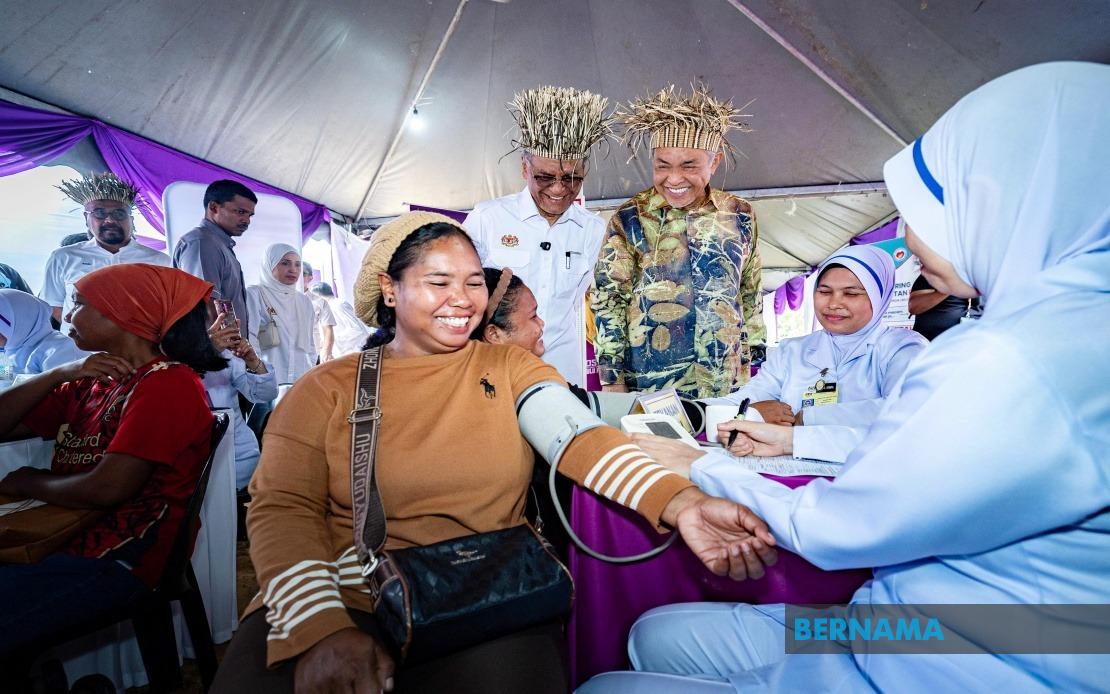
Speaking at an event in Gerik where he launched a health initiative for Orang Asli communities, Ahmad Zahid underscored his confidence in Ab Rauf's diplomatic capabilities, suggesting that most political obstacles can be overcome through methodical dialogue conducted in good faith. The BN chairman, who simultaneously holds the UMNO presidency, emphasized that any arrangements reached between Ab Rauf and other parties would require validation through UMNO's internal structures before progressing to the BN Supreme Council for final ratification. This multi-layered approval process reflects the party's commitment to maintaining consensus among its component parties while granting the Melaka leader sufficient flexibility to explore viable partnerships.
The empowerment of Ab Rauf arrives at a pivotal moment in Malaysian politics, where coalition mathematics have become increasingly fluid. Melaka, a state with strategic significance in national political calculations, has witnessed shifts in ruling coalitions in recent years. The decision to authorize comprehensive negotiating authority demonstrates BN's recognition that electoral success in the state may require pragmatic cooperation beyond its traditional partner roster. By centralizing negotiating power in Ab Rauf's hands, the coalition aims to accelerate discussions and demonstrate responsiveness to potential partners seeking clarity on seat distributions.
Pakatan Harapan's response, articulated through communications director Datuk Seri Fahmi Fadzil, indicated receptiveness to BN's professed openness regarding seat allocations. Fahmi characterized the willingness to discuss arrangements as an opportunity warranting serious exploration, positioning PH as an engaged participant rather than a dismissive competitor. This measured tone suggests that despite remaining electoral rivals, the two coalitions recognize mutual benefits in conducting respectful negotiations that could yield outcomes acceptable to multiple parties and ultimately strengthen democratic governance in the state.
Perikatan Nasional, through chairman Datuk Seri Dr Ahmad Samsuri Mokhtar, similarly conveyed readiness to engage BN in substantive discussions about the Melaka contest. PN's willingness to participate in talks indicates that the political landscape accommodates multiple serious participants, each bringing distinct voter bases and organizational capabilities. The presence of three major coalitions signalling openness to negotiations suggests that the eventual Melaka election framework may involve unexpected partnerships or revised seat-sharing arrangements compared to established patterns.
The complexity of seat allocation negotiations cannot be understated, as Ahmad Zahid acknowledged. These discussions involve intricate calculations encompassing historical performance data, demographic composition, internal party politics, and constituent expectations. Disagreements frequently emerge when parties assess their respective entitlements or contest the viability of candidates proposed for particular constituencies. The potential for negotiations to become fractious exists whenever parties perceive unfair distribution or believe their contributions receive insufficient recognition. Ahmad Zahid's emphasis on conducting discussions properly suggests BN intends to apply structured methodologies and clear frameworks to minimize acrimony.
Saturday's statement from Ahmad Zahid had already signalled BN's flexibility, explicitly referencing willingness to consider seat swaps—arrangements where coalitions exchange constituencies to optimize overall electoral performance. Such creative solutions demonstrate sophisticated political thinking, as seat swaps can satisfy multiple parties simultaneously by recognizing that certain parties perform better in specific constituencies than others. The condition that all arrangements occur honestly and in good faith establishes normative expectations designed to prevent the cynical maneuvering that sometimes undermines coalition stability.
For Malaysian readers and regional observers, these developments reflect broader patterns in Southeast Asian politics where traditional coalition frameworks have become negotiable. The emergence of genuine three-way competition in Melaka, with all sides expressing openness to dialogue, contrasts with zero-sum political cultures elsewhere. Ab Rauf's empowerment represents confidence in individual leadership coupled with institutional constraints ensuring broader party input—a balance reflecting mature democratic practice. The willingness of all three coalitions to negotiate simultaneously demonstrates political sophistication and commitment to inclusive processes rather than winner-take-all approaches.
The eventual outcome of these negotiations will likely establish precedents influencing future Malaysian electoral arrangements. Should BN successfully construct a coalition that incorporates elements from PH or PN while maintaining internal harmony, the model could prove replicable in other contested states. Conversely, if negotiations fail or produce unstable arrangements, the ramifications could discourage similar cooperation attempts. The stakes extend beyond Melaka itself, touching broader questions about how Malaysian politics can accommodate multiple power centers while maintaining governmental coherence and democratic legitimacy.
The timing of these negotiations also merits consideration, as they occur within Malaysia's broader political recalibration. Recent years have witnessed electoral volatility, coalition realignments, and shifting voter preferences that have unsettled traditional political certainties. Melaka's upcoming election represents an opportunity for testing new political configurations and assessing voter receptiveness to novel partnerships. Success could validate coalition-building approaches that transcend rigid ideological boundaries in favor of pragmatic governance arrangements.
Looking forward, observers should monitor whether actual negotiations follow the cooperative tone evident in recent public statements. Political rhetoric frequently emphasizes harmony while negotiations reveal underlying tensions over seat distribution, candidate selections, and power-sharing arrangements. The true test of Ab Rauf's negotiating mandate will emerge when parties must make concrete compromises and accept outcomes potentially disappointing to some constituencies. Nevertheless, the framework Ahmad Zahid has established—granting negotiating authority while maintaining institutional oversight—provides mechanisms for reconciling diverse interests while preserving coalition stability essential for effective governance in Malaysia's complex political environment.

