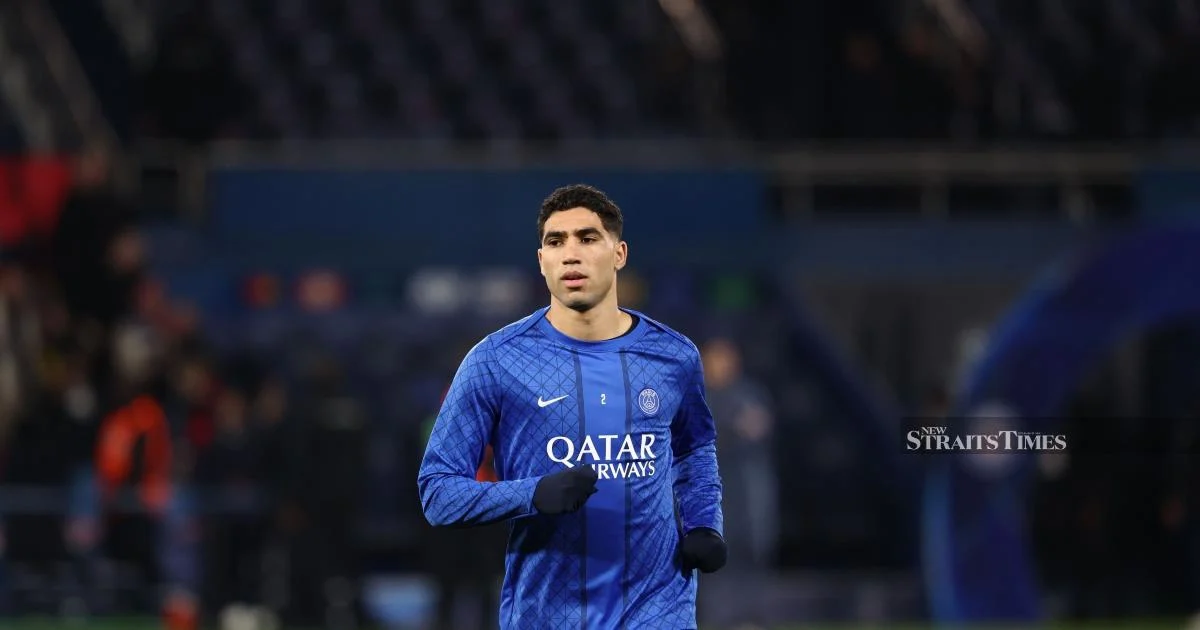
A French appellate court in Versailles has delivered a decisive ruling that will propel Moroccan international defender Achraf Hakimi toward a formal trial on rape charges. The court's Friday decision represents a critical juncture in the high-profile legal saga involving one of world football's recognised talents, confirming that sufficient evidence exists to proceed with full judicial proceedings.
The case carries substantial implications for professional football in Europe, where several prominent players have faced serious allegations in recent years. Hakimi, who has represented Morocco at international level and played for elite clubs including Real Madrid and Paris Saint-Germain, now enters the formal trial phase where evidence will be presented before a judge and potentially a jury. The confirmation of the trial order suggests the court found reasonable grounds to believe the allegations warrant judicial examination.
French legal procedure distinguishes between preliminary investigations and formal trials, with intermediate appellate decisions serving as gatekeepers. The Versailles court's decision indicates that previous lower court determinations have withstood legal challenge and that the prosecution's case has cleared evidentiary thresholds established under French criminal law. This procedural development reflects confidence in the strength of the evidence compiled during the investigation phase.
The timing and progression of such cases in the French legal system typically extends over months or years, with trials often featuring extended deliberations before judgment. Hakimi's legal team will have opportunities throughout the trial process to present counter-evidence, challenge witness testimony, and argue for acquittal. The distinction between preliminary orders and ultimate guilt determinations remains crucial, as court decisions to proceed with trials do not prejudge outcomes.
For Malaysian sports followers, the case underscores broader questions about accountability within professional football. Southeast Asian nations, while producing emerging football talent, maintain close connections to European leagues through broadcast rights and player development pathways. The public scrutiny accompanying high-profile cases influences perceptions of football culture and institutional responsibility across regions where the sport commands significant viewership.
The implications extend beyond Hakimi's individual situation to encompass how football clubs, governing bodies, and national federations respond to serious allegations against their players. Past incidents involving prominent footballers have sparked debates about institutional safeguarding procedures, survivor support mechanisms, and the balance between due process and public accountability. These discussions resonate particularly in contexts where football fandom intersects with cultural values regarding justice and responsibility.
Hakimi's career trajectory and current standing within professional football remain subjects of considerable attention. His performances at club and international levels have established him as a significant figure in contemporary football, making legal proceedings against him matters of widespread media interest. The contrast between his on-field achievements and off-field allegations generates ongoing discussion within sports communities and broader society about the separation between athletic excellence and personal conduct.
The formal trial process ahead will involve detailed examination of evidence presented by prosecutors and defence counsel. French criminal trials typically feature rigorous cross-examination of witnesses and careful judicial consideration of forensic or documentary evidence. The eventual outcome will depend on assessments made by the judicial bench regarding the sufficiency and reliability of evidence presented throughout proceedings.
For Moroccan football supporters and national team stakeholders, the case presents a delicate situation. Morocco's representation in international competitions and efforts to develop elite players operate within contexts where national pride and serious criminal allegations occasionally create tension. The nation's football federation will navigate ongoing management of squad composition and player selection while legal processes continue.
The European football landscape continues processing numerous cases involving serious allegations, reflecting broader social movements emphasising accountability and justice. Institutional responses from clubs, leagues, and governing bodies have evolved, with increased emphasis on survivor support, workplace conduct standards, and transparent investigation procedures. These developments influence how professional football addresses conduct-related issues and shapes expectations regarding player responsibilities.
The court's confirmation that Hakimi will stand trial establishes a definitive timeline for judicial proceedings to commence. Depending on court scheduling and case complexity, trials of this nature typically proceed across several months with judgments rendered following comprehensive deliberation. The formal trial order marks transition from investigative phases to the public judicial examination central to French criminal procedure.

