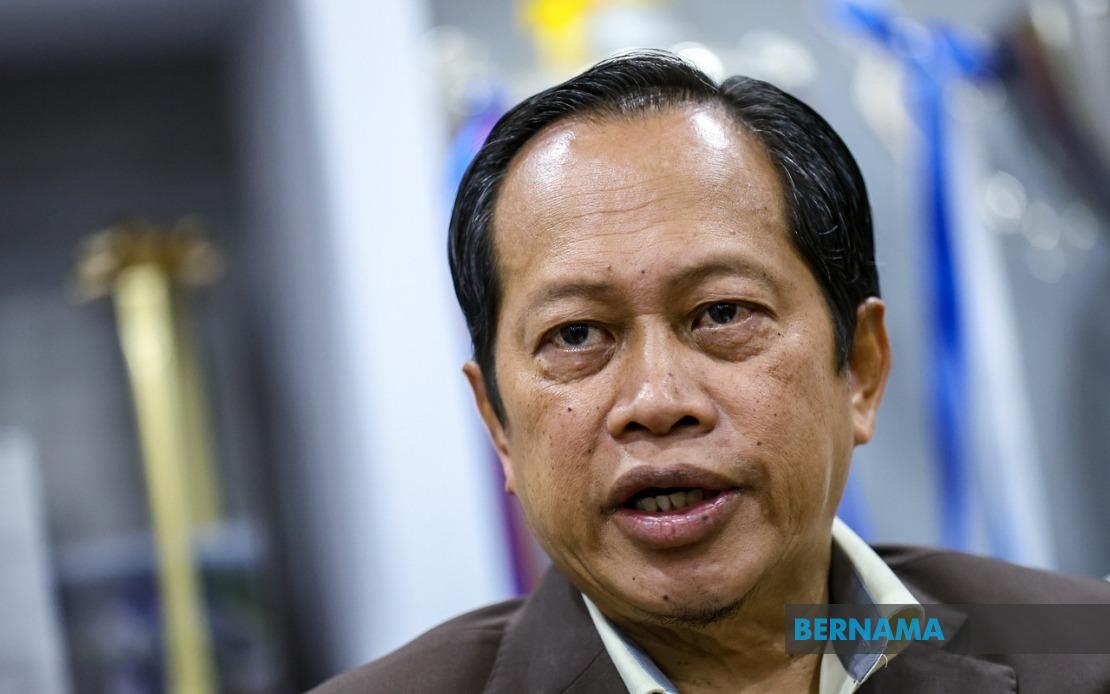
Datuk Seri Dr Ahmad Maslan, the Johor Barisan Nasional deputy chairman and Deputy Works Minister, has definitively ruled out participation in the upcoming state election, ending weeks of speculation about his candidacy in several constituencies. Making the announcement during a site visit to the Johor Public Works Department in Iskandar Puteri on June 15, Ahmad stated unequivocally that he would not be contesting for either the Benut or Pulai Sebatang state seats, both of which fall within his Pontian parliamentary constituency.
Ahmad's decision reflects a strategic move within the BN machinery ahead of what is shaping up to be a closely watched contest in one of Malaysia's most politically significant states. The Pontian MP explained to reporters that he had already notified party leadership of his intention to step back from electoral competition at the state level, framing his withdrawal as an opportunity for fresh faces to emerge from within the coalition's ranks. This gesture carries particular weight given that Ahmad holds substantial influence within both Johor BN and the broader UMNO apparatus, making his voluntary withdrawal from candidacy a meaningful signal about the party's openness to generational renewal.
For Malaysian political observers, Ahmad's announcement arrives at a pivotal juncture in Johor politics. The state remains a critical battleground for the Pakatan Harapan federal government and the opposition BN-UMNO alliance, with the ruling coalition seeking to consolidate its power base following the 2022 general election. Johor's political dynamics carry outsized importance in national calculations, given its size, economic clout, and historical significance as a UMNO stronghold. Any shifts in candidacy or campaign strategy at the state level inevitably reverberate through broader coalition politics.
While stepping back from direct electoral competition, Ahmad has pledged to maintain an active supporting role in the BN campaign machinery throughout the election cycle. Such auxiliary roles are common among senior figures who either face strategic constraints or choose to concentrate on ministerial responsibilities. By retaining his Pontian parliamentary seat and continuing to offer organisational support, Ahmad positions himself to influence outcomes without bearing the time commitments that state-level campaigning demands. This arrangement also shields him from the personal electoral risks that accompany contested state seats, particularly in marginal constituencies.
The Election Commission has established a clear timeline for the 16th Johor state election, with nomination day scheduled for June 27 and polling slated for July 11. Early voting will take place on July 7, providing voters with the option to cast ballots before the main polling date. This calendar gives the various political coalitions roughly two weeks from the nomination period to finalise their candidate selections and launch campaign strategies. Ahmad's early confirmation of non-participation allows BN strategists to finallocate attention and resources to other aspirant candidates who have expressed interest in the Pontian-linked constituencies.
The Benut and Pulai Sebatang seats represent distinct electoral challenges and opportunities within the broader Pontian parliamentary landscape. These constituencies have varying demographic compositions and voting patterns, requiring tailored campaign approaches suited to local concerns ranging from economic opportunities to infrastructure development. Ahmad's withdrawal opens these seats to candidates who may bring fresh perspectives or stronger local connections, potentially energising grassroots support among voters who respond positively to new political voices. For the BN, filling these slots with competitive candidates is essential to maintaining its dominance in the region.
Within UMNO's internal dynamics, Ahmad's decision also signals discipline and party solidarity at a moment when unified messaging carries strategic value. The party faces ongoing challenges from competing narratives within the broader political landscape, where questions about leadership direction and policy priorities continue to generate debate among party members. By transparently communicating his decision through official channels and positioning it as contributing to party strength rather than personal sacrifice, Ahmad demonstrates the kind of institutional thinking that senior party figures are expected to model.
The broader context of Johor state politics remains characterised by competitive but relatively stable BN dominance, though the opposition has made incremental gains in recent electoral cycles. The state has witnessed shifting community preferences on issues including economic development, healthcare accessibility, and education quality. Any new candidates fielded by BN must demonstrate responsiveness to these evolving voter priorities while maintaining traditional strengths in rural and semi-urban areas where the coalition has historically performed strongly.
Ahmad's confirmation also comes amid broader discussions within the Malaysian political ecosystem about generational transitions and leadership succession planning across competing coalitions. Whether in government or opposition, major parties are grappling with questions about how to meaningfully incorporate younger politicians and fresh talent without alienating established figures and power structures. Ahmad's approach—stepping back from direct competition while remaining engaged in party work—represents one model for managing these transitions, though its effectiveness will depend on whether adequate opportunities genuinely materialise for emerging candidates.
Looking ahead, the true measure of Ahmad's decision will emerge in the weeks following July 11, when election results clarify whether BN's broader candidacy strategy has successfully translated into electoral success. The party's performance in Johor will carry implications far beyond state politics, influencing calculations about coalition strength heading into future federal elections and affecting the broader balance of power in Malaysian politics. Ahmad's continued engagement in campaign activities, despite standing aside from personal electoral competition, underscores how senior figures remain integral to party operations even when not seeking elected office.