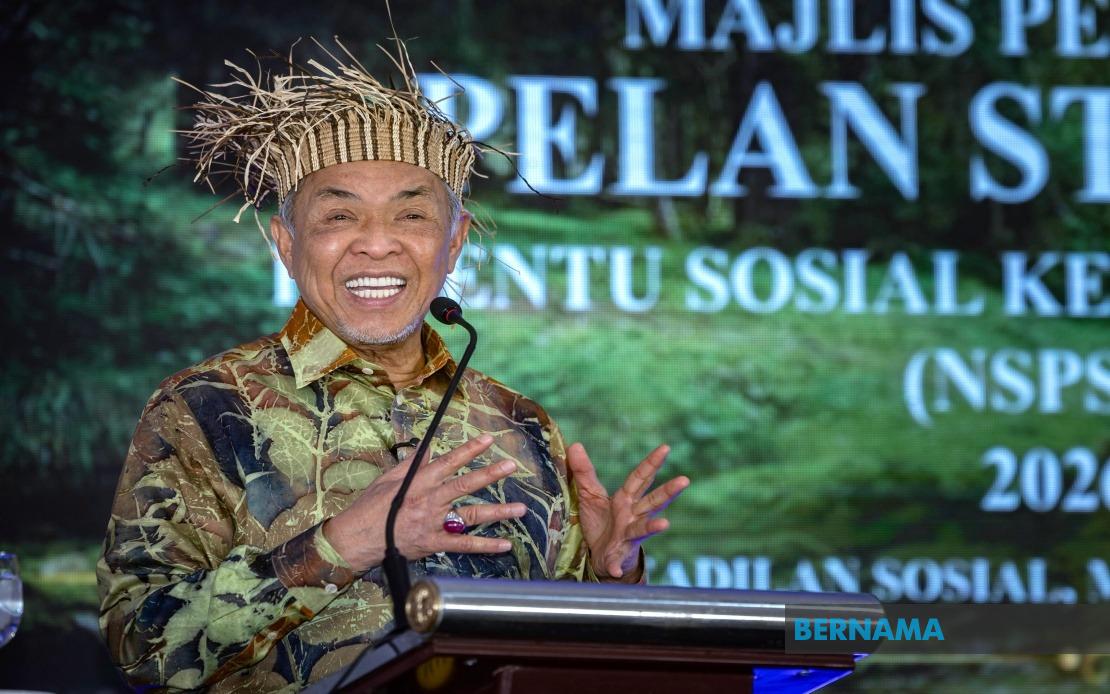
Deputy Prime Minister Datuk Seri Dr Ahmad Zahid Hamidi has appealed to Malaysians to offer prayers for Prime Minister Datuk Seri Anwar Ibrahim as he recuperates following a minor surgical intervention. Speaking in Gerik on August 10, Ahmad Zahid expressed confidence that Anwar would require only a brief recovery period before resuming his full responsibilities leading the nation. The announcement came after Anwar underwent an elective laparoscopic procedure to address an abdominal hernia, with medical authorities confirming the operation proceeded without complications.
Anwar had personally informed his deputy about the forthcoming medical procedure on Tuesday, August 4, according to Ahmad Zahid's account. This advance notice allowed the government to prepare for the Prime Minister's temporary absence from daily operations. Ahmad Zahid emphasised the importance of collective support during this period, framing the recovery as essential for Anwar to maintain his capacity to serve both the nation and its citizens effectively. His remarks underscored the gravity many senior officials attach to the Prime Minister's wellbeing, recognising that even routine procedures necessitate adequate rest and recuperation time.
During his absence, Ahmad Zahid has been entrusted with chairing Cabinet meetings, ensuring governmental continuity throughout Anwar's recovery phase. This arrangement reflects standard succession protocols within Malaysia's executive framework, whereby the Deputy Prime Minister assumes specific responsibilities when the Prime Minister is temporarily unavailable. The delegation demonstrates confidence in Ahmad Zahid's capacity to maintain the momentum of government business while preserving decision-making authority for matters requiring the Prime Minister's direct involvement upon his return.
Heading Anwar's medical team, Datuk Dr Asri Ranga Abdullah Ramaiah confirmed that the Prime Minister successfully underwent the elective laparoscopic surgical procedure to treat the para-umbilical hernia. The procedure represented a standard intervention for this common abdominal condition, which typically requires surgical correction to prevent complications. The medical team's choice of laparoscopic technique—a minimally invasive approach—suggests an effort to expedite recovery while reducing post-operative discomfort and the risk of complications associated with more traditional open surgery methods.
Following the operation, Anwar entered the rehabilitation phase under continuous medical oversight. Dr Asri noted that the Prime Minister is undergoing physiotherapy as part of his structured recovery protocol, with specialist medical professionals monitoring his progress closely. This comprehensive post-operative care reflects the commitment to ensuring not merely his physical healing but also his rapid return to full functional capacity. The emphasis on physiotherapy indicates a proactive approach to restoring strength and mobility during the critical early recovery period.
The timing of the procedure during the parliamentary calendar and broader governance cycle carries implications for Malaysia's executive functioning. While Ahmad Zahid's assumption of Cabinet leadership temporarily ensures operational continuity, major policy decisions or parliamentary matters requiring the Prime Minister's direct engagement would likely await Anwar's return. This reality underscores the concentrated nature of executive power in Malaysia's parliamentary democracy, where the Prime Minister's presence carries substantial symbolic and practical weight in governmental affairs.
For the broader Malaysian public and international observers, Anwar's medical situation highlights the physical demands placed upon senior government leaders. The Prime Minister's willingness to address the hernia through corrective surgery reflects a commitment to maintaining full operational capacity rather than allowing the condition to potentially deteriorate. This proactive health management sends implicit messages about leadership responsibility and the importance of maintaining peak physical condition for positions demanding sustained attention and decision-making capability.
The medical disclosure also demonstrates Malaysia's approach to transparency regarding the health status of senior political figures. Unlike some democracies that maintain strict privacy around leadership health matters, Malaysian authorities have provided detailed information about both the procedure and recovery expectations. This openness, balanced against reasonable confidentiality, appears designed to reassure both Parliament and the public that temporary absences reflect manageable medical needs rather than serious health crises that might affect longer-term governance stability.
Looking forward, Anwar's expected recovery timeline suggests minimal disruption to Malaysia's governmental agenda. The two-day minimum rest period mentioned by Ahmad Zahid, combined with ongoing physiotherapy, indicates a recovery arc measured in days to perhaps a few weeks rather than months. This brief absence contrasts sharply with the kind of extended incapacity that could genuinely test Malaysia's succession mechanisms or create vacuum conditions in executive decision-making. For investors, diplomatic partners, and domestic stakeholders monitoring Malaysia's political stability, the routine nature of the intervention and transparent handling should provide reassurance regarding institutional continuity.

