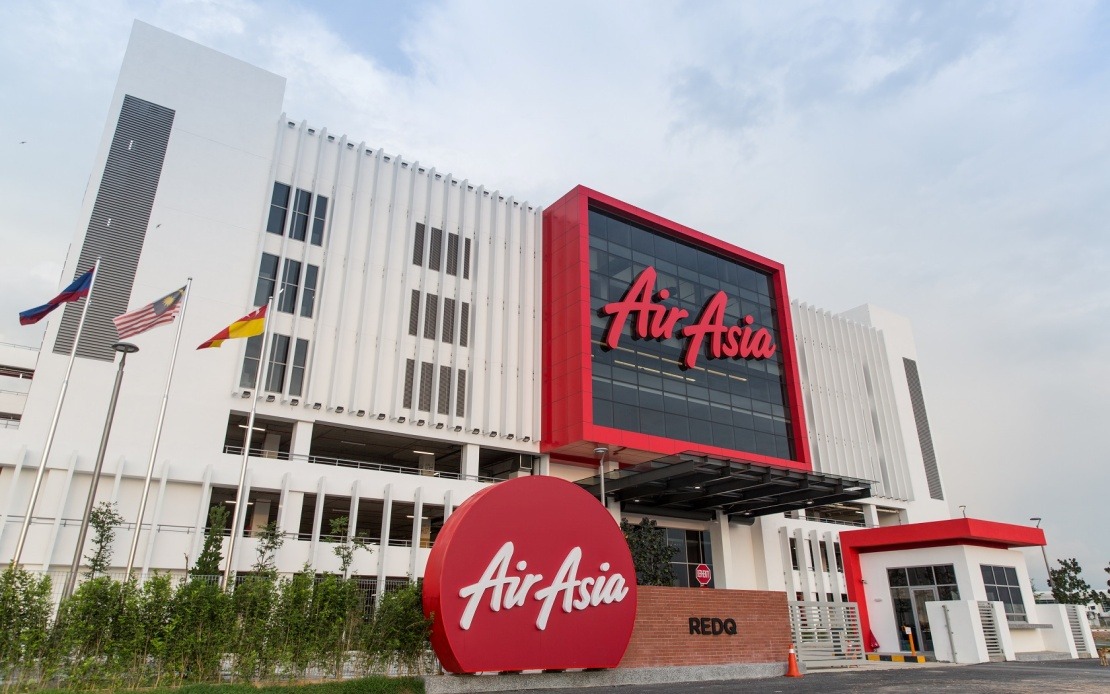
AirAsia has publicly warned job applicants to exercise caution following the discovery of a fraudulent recruitment website designed to deceive unsuspecting candidates. The low-cost carrier, based in Sepang, revealed that scammers have created a convincing fake careers portal to lure potential employees and extract both personal information and money from vulnerable job seekers.
The deceptive website, operating under the domain http://airasiaexpress.com, mimics the appearance and functionality of AirAsia's legitimate careers platform with sufficient fidelity to fool many applicants. The scam follows a straightforward but effective pattern: fraudsters collect personal details from candidates who believe they are applying for genuine positions within the airline, then request payment of so-called "processing fees" to advance applications through what purports to be a formal hiring procedure.
AirAsia emphasised that its genuine recruitment activities operate exclusively through http://careers.airasia.com, a centralized portal that maintains strict security protocols and transparent hiring practices. Importantly, the company stressed that it has never and will never charge applicants any fees at any stage of the recruitment process. This distinction is critical for job seekers navigating the competitive employment landscape, as legitimate employers typically bear all costs associated with candidate screening and onboarding.
The airline's statement underscores a growing concern across Southeast Asia's employment sector, where criminals exploit the desperation of job hunters and the complexity of digital recruitment. Many candidates, particularly first-time applicants or those from smaller cities with limited local opportunities, may not be sufficiently aware of standard industry practices to immediately recognise such deception. The psychological appeal of a major international employer like AirAsia makes their brand particularly susceptible to exploitation by criminal networks.
AirAsia has explicitly cautioned all potential applicants against sharing sensitive personal information—including identification numbers, bank account details, addresses, and contact information—with any unauthorised websites or email addresses. Additionally, candidates should refrain from making any financial transfers to unknown parties under the guise of application processing, administrative fees, or security deposits, as legitimate employers never require such payments upfront.
The airline stated that it maintains ongoing surveillance of fraudulent activities conducted in its name and regularly updates both internal security systems and public communications to combat such schemes. This proactive approach reflects the airline's recognition that reputational damage extends beyond immediate financial losses; fraudulent recruitment activities tarnish corporate brand value and erode public trust in legitimate hiring channels.
Job seekers in Malaysia and throughout AirAsia's operational regions should verify employment opportunities through multiple independent methods. Before submitting applications or personal information, candidates can contact AirAsia's official customer service channels to confirm whether a recruitment drive is currently active for their desired position. Cross-referencing with official social media accounts and verified press releases provides additional layers of verification.
This warning arrives amid a broader pattern of employment-related fraud affecting the region's aviation industry. With thousands of positions across airlines, hotels, and hospitality ventures, scammers recognise the economic appeal these sectors hold for job seekers, particularly during periods of economic uncertainty or rapid expansion. The scale of these operations suggests sophisticated criminal networks rather than isolated individuals, indicating that reporting suspicious recruitment activities to law enforcement authorities may help identify and dismantle larger fraud operations.
Malaysian job seekers should note that the Ministry of Human Resources and the Malaysian police's Commercial Crime Investigation Department maintain public channels for reporting suspected employment fraud. Providing details of fraudulent websites and communications to these authorities helps protect other citizens and contributes to law enforcement efforts against organised crime networks. Additionally, reporting suspicious sites directly to domain registrars and internet service providers may result in swift takedown of fraudulent platforms.
For AirAsia specifically, candidates experiencing contact from suspicious recruitment channels claiming to represent the airline should forward evidence to the company's official communications channels or compliance department. The airline has indicated its commitment to supporting investigations into fraudulent activities conducted under its name, demonstrating corporate responsibility beyond simple public warnings. Such cooperation can accelerate the identification of organised criminal groups targeting multiple employers simultaneously.
The incident serves as a stark reminder that credential-checking and institutional verification remain fundamental practices in the digital job market. While technological advancement has streamlined legitimate recruitment processes, it has simultaneously created new opportunities for sophisticated fraud. Job seekers must balance the convenience of online applications with active scepticism regarding unsolicited recruitment communications or requests for payment. Establishing these protective habits now can prevent significant financial loss and identity theft that often extend far beyond the initial fraudulent transaction.