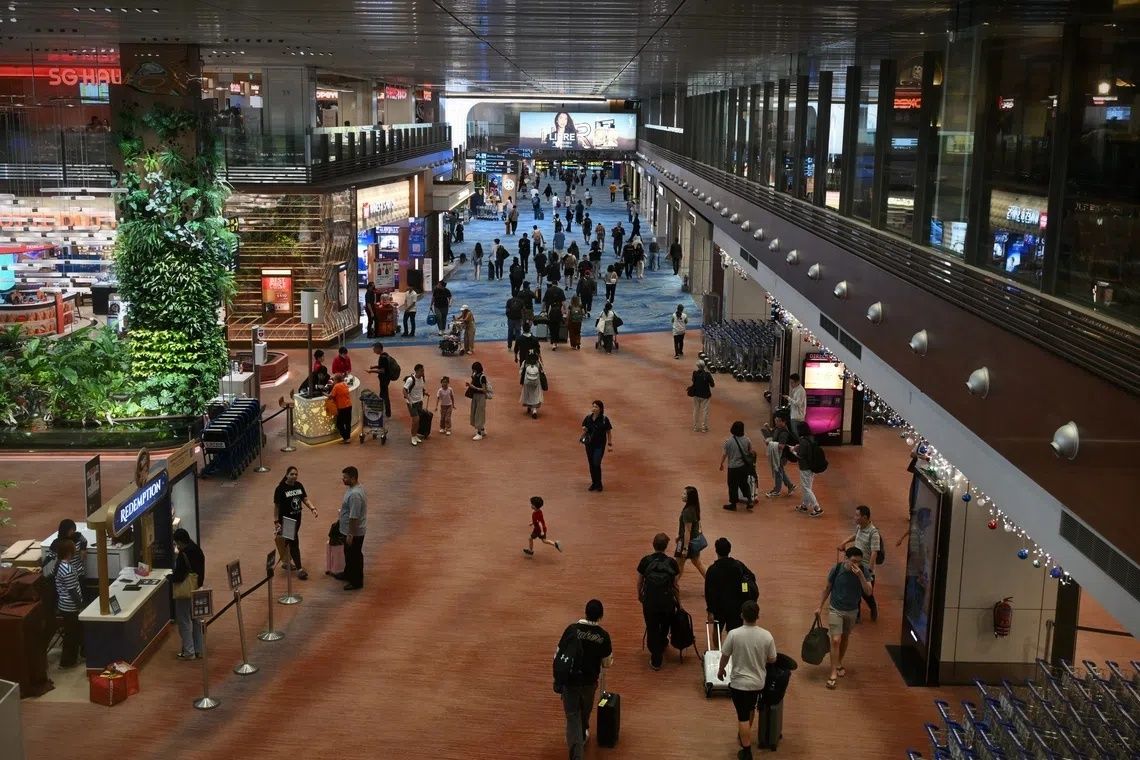
Two foreign nationals face court charges following separate theft incidents at Singapore's Changi Airport, highlighting the persistent challenge retailers face in protecting merchandise at major transit hubs. A 37-year-old Australian man and a 50-year-old American man have been arrested by police and are scheduled for court appearance on August 17 after allegedly stealing high-value perfumes from airport duty-free and retail outlets. The cases underscore how even momentary lapses in passenger vigilance at international airports can result in significant financial losses and criminal prosecution.
The first incident occurred on November 19, 2025, when staff at a perfume retailer in the transit area of Terminal 2 discovered two boxes of merchandise missing from a display shelf. Security footage analysis revealed the Australian suspect had taken the perfumes, valued at approximately $430, around 4:50pm that afternoon and departed the store without completing any transaction. However, the individual managed to leave Singapore before police could identify him, creating a significant investigative challenge. The case remained open for more than eight months until authorities received an unexpected opportunity to apprehend him during a subsequent transit through Changi Airport on August 4.
The second theft unfolded more rapidly, with airport security proving more effective in preventing the suspect from evading justice. On August 5, just before 1:25am, staff at a perfume outlet in Terminal 1's transit area reported missing merchandise from their display shelves. CCTV review identified an American traveller who had taken a box of perfume valued at over $310 around 12:40am the same morning. Crucially, police officers managed to detain the suspect before he could proceed to his departure gate, preventing him from leaving the jurisdiction with the stolen goods.
Further investigation of security footage revealed this particular case involved multiple thefts across different retail locations rather than a single opportunistic incident. The American suspect had also stolen an additional box of perfumes valued at approximately $170 and a bottle of perfume tester priced at over $230 from two other stores within the Terminal 1 transit area. The total value of merchandise recovered from this individual exceeded $717, demonstrating a pattern of coordinated retail theft rather than a single impulse-driven incident. All stolen items were successfully recovered and returned to retailers.
Both individuals now face charges under Singapore's theft legislation, which carries substantial penalties. The offence of theft in dwelling—applicable when theft occurs in any building or enclosed residence, a category encompassing retail outlets at airports—carries potential imprisonment of up to seven years, monetary fines, or both penalties combined. The severity of the punishment reflects Singapore's zero-tolerance approach to retail theft and property crime, sending a clear message to travellers that such offences carry serious consequences regardless of the value of stolen merchandise.
The cases highlight the effectiveness of modern surveillance technology in identifying and prosecuting retail criminals, even when considerable time elapses between the alleged theft and arrest. The Australian suspect's apprehension eight months after the initial incident demonstrates that airport security systems and police investigations can eventually identify perpetrators who initially evade detection. Digital footage remains available for extended periods, and cross-referencing passenger records with identified suspects allows authorities to apprehend individuals during subsequent international travel.
Associate Commissioner of Police M. Malathi emphasized the police department's commitment to combating shop theft through technological means and coordinated enforcement. The statement underscores how CCTV advancements and their deployment by retailers at major commercial hubs have fundamentally transformed the detection landscape. Whereas retail theft once relied heavily on immediate physical intervention, modern security infrastructure now creates permanent digital records that can be analysed and preserved for investigative purposes extending well beyond the immediate incident period.
For Malaysian travellers and regional visitors to Changi Airport, these cases carry practical implications regarding airport security protocols and the consequences of retail misconduct. The proximity of Singapore and the frequency of Malaysian transit through Changi means that regional travellers should understand local enforcement standards and penalties. Airport retail theft, once viewed as a minor transgression with minimal consequences, now results in serious criminal charges that can derail international travel privileges and create lasting legal complications for professionals and business travellers.
The airport police unit at Changi has committed to strengthening collaboration with retail stakeholders and security partners to prevent future incidents. This coordinated approach involves regular training for retail staff, enhanced security protocols, and rapid response procedures when merchandise goes missing. Such partnerships recognise that airport security is a shared responsibility involving multiple stakeholders rather than a function solely managed by law enforcement authorities. Retailers benefit from police expertise in investigation and prosecution, while police gain early intelligence about emerging theft patterns and suspect behaviour.
These arrests carry broader implications for Southeast Asian airport operators and travellers across the region. As airports serve as crucial regional transit hubs facilitating millions of passenger movements annually, retail security challenges affect operational efficiency and passenger experience. The prevalence of perfume and luxury goods theft at airports reflects both the high value of these products and the concentration of affluent international travellers passing through terminal areas. Understanding theft patterns and enforcement responses helps regional airports develop more effective security strategies.
The cases also illuminate disparities in how quickly law enforcement can respond to retail incidents. The American suspect's apprehension before boarding his flight represented swift police action that prevented the suspect's departure, whereas the Australian incident required months of investigation and opportunistic arrest during subsequent travel. These variations suggest that immediate reporting of suspected theft and rapid police notification significantly enhance the likelihood of suspect apprehension, contrasting with delayed reporting that allows suspects to escape jurisdiction.
Moving forward, the successful prosecution of these two cases sends clear deterrent messages to potential retail offenders at major Asian airports. The combination of advanced surveillance technology, international passenger tracking systems, and coordinated police-retail cooperation creates an environment where retail theft carries escalating risks regardless of initial detection. Travellers contemplating such offences face not merely the immediate risk of apprehension but also the possibility of arrest during future international travel, creating long-term consequences for professional credentials and travel privileges.

