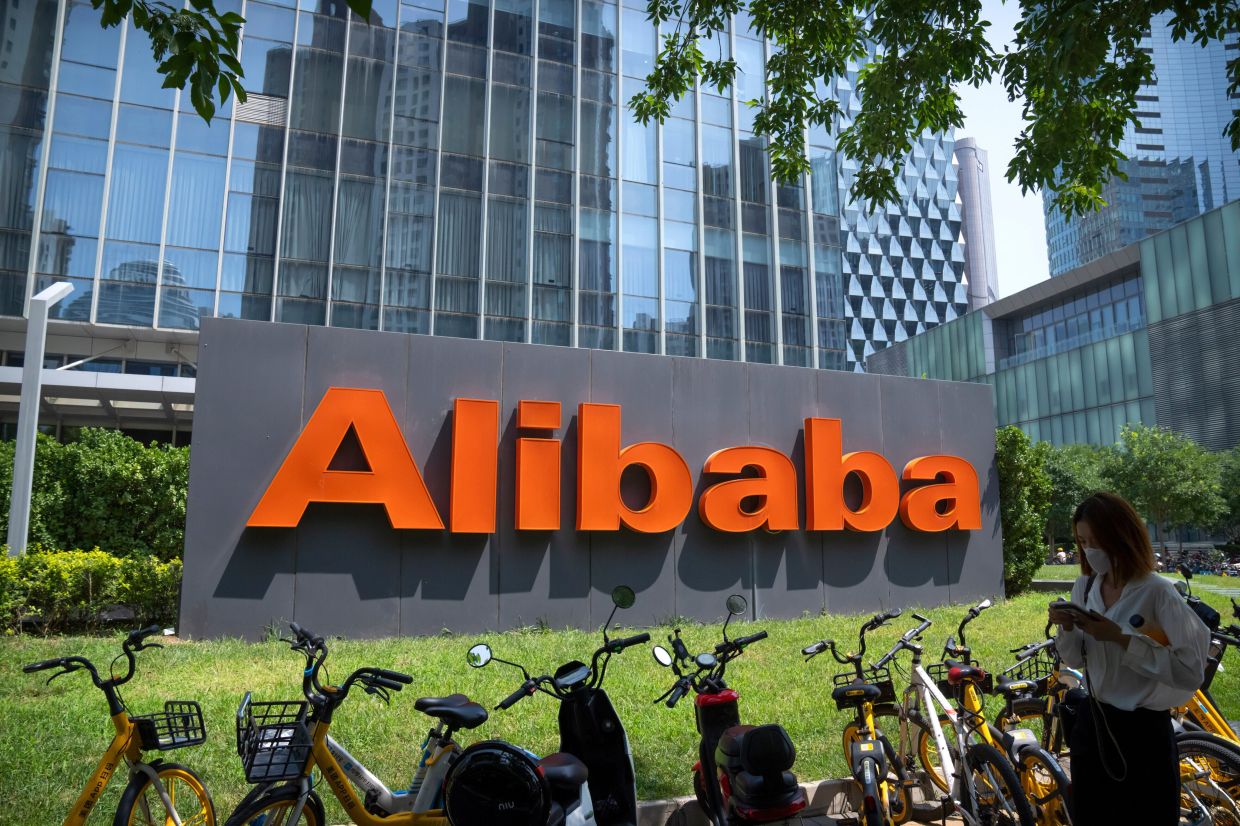
A federal judge in California's Northern District has issued a temporary restraining order preventing the Department of Defence from enforcing a lobbying prohibition against Alibaba while the Chinese e-commerce giant pursues its constitutional challenge to the blacklist designation. The order, filed this week, does not represent a final ruling on Alibaba's broader lawsuit but provides crucial breathing room for the company to engage in advocacy efforts while its legal battle continues—a dispute that has become emblematic of widening technological competition between Washington and Beijing.
The lobbying restriction stemmed from the Pentagon's decision in early June to place Alibaba on a list of entities the US military considers integral to China's "military-civil fusion" strategy. Under the National Defence Authorisation Act, this designation triggered a prohibition barring the Department of Defence from entering contracts with any firm that employs lobbyists also representing companies on the blacklist. The regulation essentially forced lobbying organisations to choose between working with American defence contractors and representing Chinese technology companies—a position that created significant practical and commercial complications across the industry.
Alibaba responded swiftly to its listing, filing suit in a California district court and subsequently arguing that the Pentagon's lobbying ban violated its constitutional rights to due process and free speech. The company categorically denied any operational or strategic ties to the Chinese military, framing the designation as part of what it contends is an increasingly arbitrary approach to restricting Chinese technology firms. In a statement released Monday, an Alibaba spokesperson expressed satisfaction with the preliminary ruling, emphasising that the company would now have "proper channels to communicate our views and address concerns" regarding its status.
The temporary order represents a noteworthy development in the escalating tech Cold War between the United States and China, particularly given how Washington has weaponised blacklist designations to contain Chinese technological advancement. The blacklist itself does not automatically impose sanctions or trigger legal penalties, but inclusion carries enormous practical consequences. Designation makes it substantially more difficult for affected companies to access American capital markets, secure financing from US institutions, and pursue government contracts—effectively shutting affected firms out of key segments of the American economy.
This approach has become central to Washington's strategic response to what policymakers view as coordinated Chinese efforts to advance military capabilities through commercial technology development. The "military-civil fusion" concept, which the Pentagon designation explicitly references, describes how Chinese government entities and private corporations collaborate to develop dual-use technologies that enhance military capabilities while appearing to serve civilian purposes. US officials argue that companies like Alibaba, despite their primarily commercial operations, contribute to this ecosystem by developing technologies and infrastructure that could benefit Chinese defence interests.
Alibaba's legal argument introduces a constitutional dimension that extends beyond straightforward geopolitical calculation. The company contends that the Pentagon's approach—barring lobbying on the basis of a designation without providing adequate opportunity for the company to contest the military-civil fusion label—violates fundamental American legal principles around due process and free speech rights. The restraining order effectively grants Alibaba's request for a temporary pause in enforcement while the courts consider these constitutional questions, which could have implications for how Washington implements its restrictions on other Chinese companies.
The timeline established by the court provides meaningful but limited relief for Alibaba. The temporary order will remain in effect until the court rules on Alibaba's motion challenging the lobbying restriction itself or until 60 days after a scheduled hearing during the week of August 31—whichever occurs first. This compressed timeframe means the underlying constitutional questions will receive judicial attention relatively quickly, suggesting that a more permanent resolution could emerge within several months rather than years of litigation.
The ruling also carries significance for Malaysian and broader Southeast Asian readers because it illustrates how technological competition between great powers increasingly shapes the operating environment for multinational corporations across the region. Chinese technology companies operating throughout Southeast Asia often navigate American restrictions that affect their ability to partner with regional governments and businesses. The Alibaba case demonstrates that even when companies maintain substantial legitimate commercial operations, American designation based on alleged military-civil fusion can fundamentally constrain their activities—a precedent that other technology firms throughout the region must now consider when planning their international strategies.
Alibaba owns the South China Morning Post, which adds a media dimension to its broader challenges in the Western business environment. The company's legal position rests on demonstrating that inclusion on the military-civil fusion list lacks adequate evidentiary foundation and that the Pentagon process violated constitutional protections. Success in these arguments could narrow Washington's ability to impose similar restrictions on other Chinese technology companies, while failure would likely strengthen the administration's hand in implementing more comprehensive technology restrictions across multiple sectors.
The dispute reflects deeper anxieties within the American defence establishment about Chinese technological advancement and the mechanisms through which Beijing mobilises its commercial sector to support military objectives. Whether Alibaba's legal challenge succeeds will depend partly on how courts balance national security considerations against constitutional constraints on executive power—a tension that will likely define American-Chinese technology policy for years to come.

