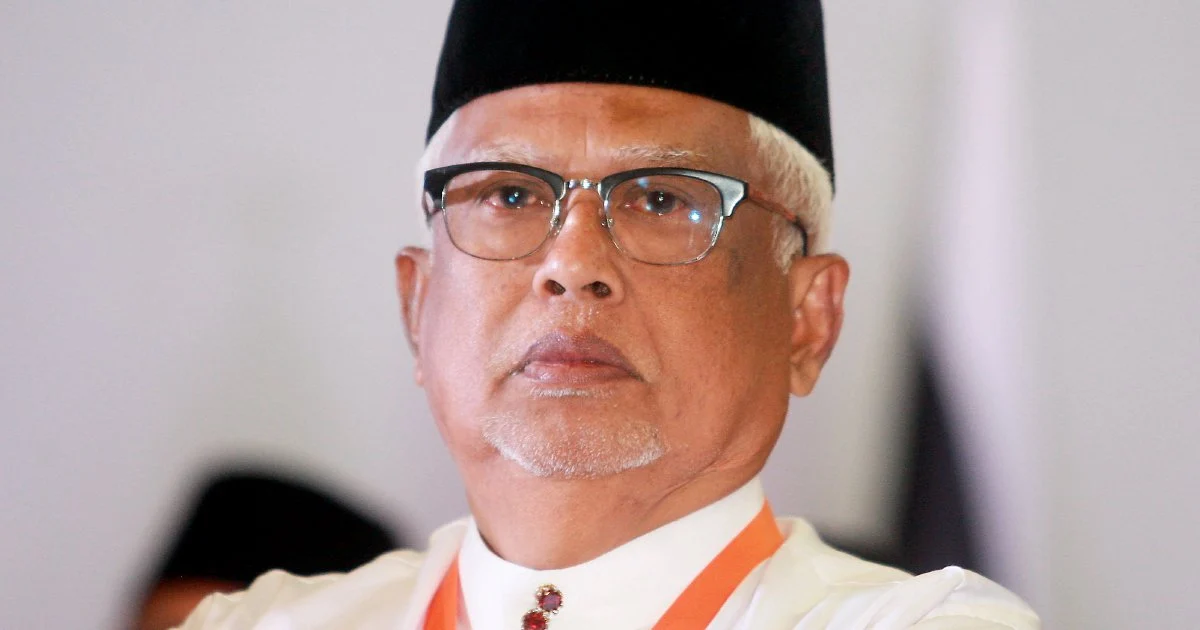
An Amanah leader has put PAS on the spot over its decision to maintain backing for Bersatu candidates in the upcoming Johor election, even as the Islamic party has reportedly raised serious allegations against its Perikatan Nasional coalition partner. The challenge highlights growing tensions within Malaysia's Islamic political bloc and raises questions about the cohesion of the PN alliance ahead of state-level contests.
The confrontation underscores a fundamental contradiction within PAS's positioning. If the party has genuine concerns about Bersatu's conduct or leadership—serious enough to warrant public allegations—then continued electoral support for the party appears inconsistent with those stated positions. This inconsistency reflects the broader pragmatism that often characterises Malaysian coalition politics, where alliances of convenience can coexist with policy disagreements or interpersonal tensions.
Johor represents a particularly significant battleground in Malaysian politics. As the nation's southernmost peninsula state and a major economic hub, Johor elections carry implications extending beyond state-level governance. Results here influence the broader political narrative and can affect party dynamics at the federal level. PAS's choices in Johor therefore carry weight beyond the state itself, shaping perceptions of party discipline and coalition reliability.
Amanah's intervention suggests that opposition parties are seeking to exploit fractures within the PN alliance. By publicly questioning PAS's logic, Amanah aims to expose what it may view as political opportunism or a lack of principle. This strategy, common in Malaysian opposition politics, involves highlighting contradictions in rival parties' positions to undermine their credibility with voters who value consistency and integrity.
The allegations against Bersatu remain unspecified in the immediate context, but such disputes have characterised PN's internal dynamics since its formation. Leadership disputes, organisational conflicts, and policy disagreements have periodically surfaced within the coalition. PAS's decision to proceed with supporting Bersatu candidates despite such allegations suggests that electoral calculations and coalition unity take precedence over whatever concerns the party may harbour privately.
This situation reflects a broader pattern in Malaysian politics where personal rivalries and policy disagreements within coalitions are often managed through backroom negotiations rather than public resolution. Parties typically prioritise collective electoral performance over individual grievances, particularly when facing strong opposition challenges. The PN alliance, despite its internal complexities, remains united by common interests in maintaining power and blocking alternative coalitions.
For Malaysian voters in Johor, the situation presents a puzzle. Political parties are simultaneously making serious allegations against allies whilst continuing to campaign alongside them. This apparent contradiction can breed cynicism about political sincerity and raises doubts about whether parties genuinely believe their own claims. The public positioning becomes difficult to square with actual electoral behaviour.
The timing of Amanah's challenge is strategically important. By raising these questions before voting occurs, the party attempts to plant seeds of doubt among swing voters who might otherwise support PN candidates. In Malaysian electoral contests, particularly at state level, marginal differences in turnout or voting patterns among persuadable groups can determine outcomes. If Amanah can convince even a portion of voters that PN lacks internal coherence, it may affect electoral performance.
PAS faces a difficult position in responding to such criticism. Defending continued support for Bersatu requires either minimising the seriousness of allegations or arguing that coalition unity transcends individual party concerns. Either approach carries risks. Downplaying allegations suggests that PAS's initial criticism lacked substance, whilst prioritising coalition unity over principle may alienate voters who value moral consistency in politics.
The incident also reflects the peculiar nature of Malaysia's coalition politics, where temporary alignments often mask deeper disagreements. PN itself represents a reconfiguration of Malaysian political forces, bringing together parties with distinct histories and constituencies. Managing such coalitions requires constant negotiation and compromise, creating precisely the conditions where public allegations and continued cooperation coexist uneasily.
Looking forward, how PAS responds to Amanah's challenge will signal something about the party's approach to both internal coalition management and voter communication. A dismissive response risks appearing defensive, whilst a detailed rebuttal risks reigniting the underlying allegations. The opposition party's intervention thus creates a strategic dilemma that may influence broader perceptions of PN's stability and reliability.
For Southeast Asian observers watching Malaysian politics, this moment illustrates the complexity of managing multi-party coalitions in competitive electoral systems. The tension between maintaining alliance unity and addressing legitimate concerns about partner parties reflects challenges faced across the region's democracies. How Malaysian parties navigate such contradictions offers lessons in coalition politics more broadly.
Ultimately, the Johor election will test whether voters view party positions and allegations through the lens of partisan loyalty or hold parties accountable for apparent inconsistencies. The outcome may shape how Malaysian political parties calculate the balance between internal coherence and coalition pragmatism in future electoral contests.

