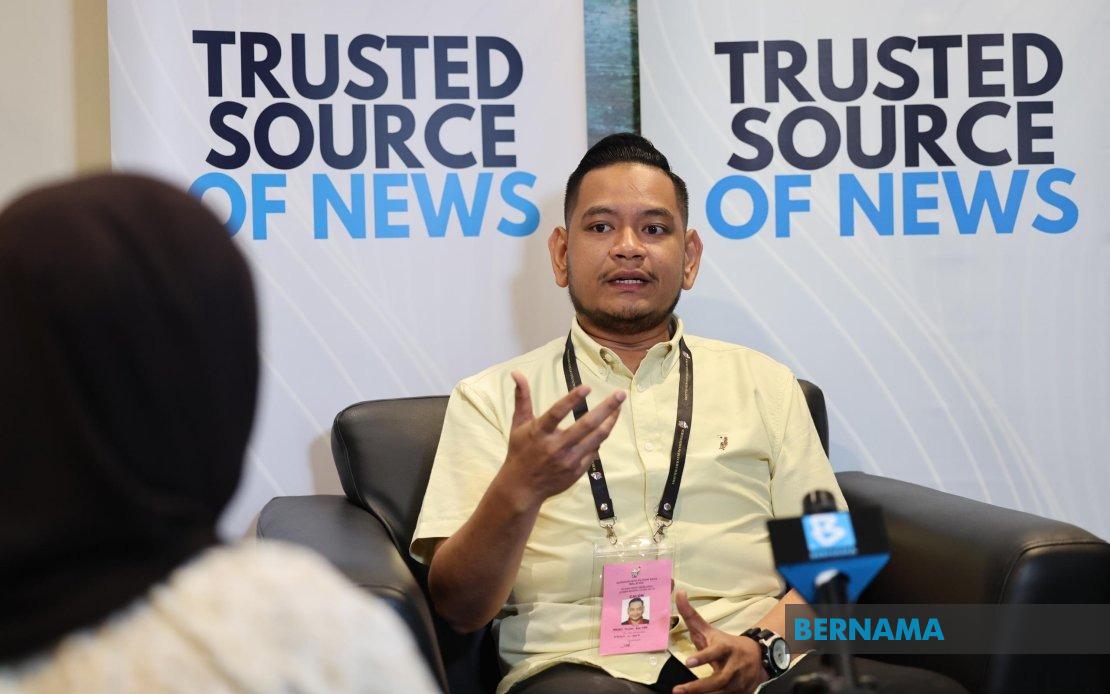
In Johor's upcoming state election, Amirul Huzni Onn, the 29-year-old Amanah Youth chief, is mounting a challenge for the Sedili seat despite facing formidable opposition from both Barisan Nasional and Perikatan Nasional candidates with considerably more electoral experience. Rather than viewing his relative inexperience as a liability, the Pakatan Harapan candidate is framing his age and status as a political newcomer as competitive advantages that position him to deliver innovative solutions to longstanding local concerns.
Sedili has historically leaned towards the BN coalition, making it challenging terrain for opposition candidates seeking to break through. Amirul Huzni's principal opponents include the incumbent BN candidate Muszaide Makmor and Rasman Ithnain, a former three-term assemblyman now representing PN, both of whom bring substantial track records in the constituency. Yet the young candidate maintains composure about the contest, characterising the battle as an invaluable opportunity to demonstrate what younger politicians can accomplish and to signal that Malaysia's emerging generation is ready for greater responsibility in governance.
Central to Amirul Huzni's campaign messaging is his argument that newcomers to politics operate from a position of untarnished credibility. He suggests that younger candidates lack the accumulated baggage of unfulfilled promises or governance failures that sometimes burden more seasoned politicians, allowing voters to evaluate them on the merits of their vision rather than past disappointments. This argument carries particular weight in constituencies where residents have grown frustrated with incremental or stalled development projects that previous representatives have been unable to complete.
While acknowledging that traditional measures of political influence heavily favour his opponents, Amirul Huzni adopts a pragmatic perspective that ultimately elections are binary contests resolved through voting at the ballot box. He articulates a conviction that every generation possesses distinct strengths and appropriate roles to play within the political landscape, and that blocking younger candidates from representing constituencies limits the electorate's options and potentially forecloses benefits that fresh perspectives might bring to governance.
The candidate's manifesto reflects a deliberate strategy of focusing on concrete, achievable objectives rather than expansive promises that risk disappointing constituents if implementation proves difficult. This approach suggests learning from critiques commonly levelled at Malaysian politics, where ambitious electoral pledges occasionally fail to materialise once representatives assume office. By concentrating on tangible infrastructure and services, Amirul Huzni positions himself as someone cognisant of the gap between campaign rhetoric and administrative reality.
A primary focus of his campaign centres on realising a long-promised fuel station in Sedili, a facility that local residents, particularly those working in fishing and recreational boating, have anticipated for considerable time. Amirul Huzni notes that the site has been identified and the land cleared for more than a year without further progress, suggesting that renewed political attention and administrative drive could finally push the project to completion. This specific grievance exemplifies the kind of local-level infrastructure gaps that can accumulate if representatives lack sufficient political capital or determination to follow through.
Despite the inherently competitive nature of electoral contests, Amirul Huzni emphasises conducting his campaign with maturity and respect toward opponents, viewing electioneering as an opportunity to model the kind of civic behaviour that ought to characterise Malaysian political culture. He has explicitly communicated to his rivals his commitment to campaigning in a spirit of healthy competition rather than acrimony, signalling his belief that political contests need not corrode community cohesion or foster lasting divisions.
This approach carries implications for how Malaysian politics functions at the grassroots level, particularly in constituencies where the same residents and families will continue living together after polling concludes. Amirul Huzni's emphasis on magnanimity and respectful disagreement suggests recognition that persistent hostility between political camps can harm local social fabric and make cross-party cooperation on community issues more difficult. For younger politicians seeking to establish themselves, demonstrating capacity for principled disagreement without personal animosity may enhance their standing among voters seeking alternatives to the sometimes confrontational tone of Malaysian political discourse.
The Sedili race unfolds within the broader context of the Johor state election, which will determine the composition of the state assembly and influence dynamics within both the federal government and opposition coalitions. The state has significant economic importance given its manufacturing base, palm oil sector, and strategic position along major transport corridors, making representation quality consequential for the region's development trajectory and investment climate. Elections in Johor typically attract substantial attention from national party leaderships and media given the state's political significance.
Voting for the Johor state election is scheduled for July 11, with early voting taking place on July 7, providing Amirul Huzni and his team approximately one week to consolidate support among Sedili voters. The compressed campaign timeline places a premium on efficient deployment of resources and persuasive messaging that can reach undecided voters and mobilise the candidate's base effectively. For a relatively unknown political newcomer, this timeframe presents both constraints and potential advantages, as voters may be more receptive to fresh candidates presenting alternatives to long-established political figures.
Amirul Huzni's campaign represents a broader phenomenon within Malaysian politics as younger politicians increasingly challenge the dominance of older, more established figures within party hierarchies and seek greater representation in elected office. The Johor election provides one significant venue for testing whether voters are prepared to embrace younger candidates positioned as agents of political renewal and fresh thinking. Results from seats like Sedili may offer insights into generational shifts in Malaysian electoral preferences and the receptiveness of different constituencies to candidates explicitly marketing themselves as representatives of a new political generation willing to break from conventional approaches.
The candidate's explicit commitment to learning from more experienced rivals and treating the election as an educational experience reflects a maturity that may resonate with voters seeking politicians motivated by genuine service rather than ego or personal advancement. Positioning a candidacy as combining youthful dynamism with intellectual humility and openness to learning from peers could provide Amirul Huzni with a distinctive campaign identity that distinguishes him from opponents and appeals to voters fatigued by conventional political posturing.

