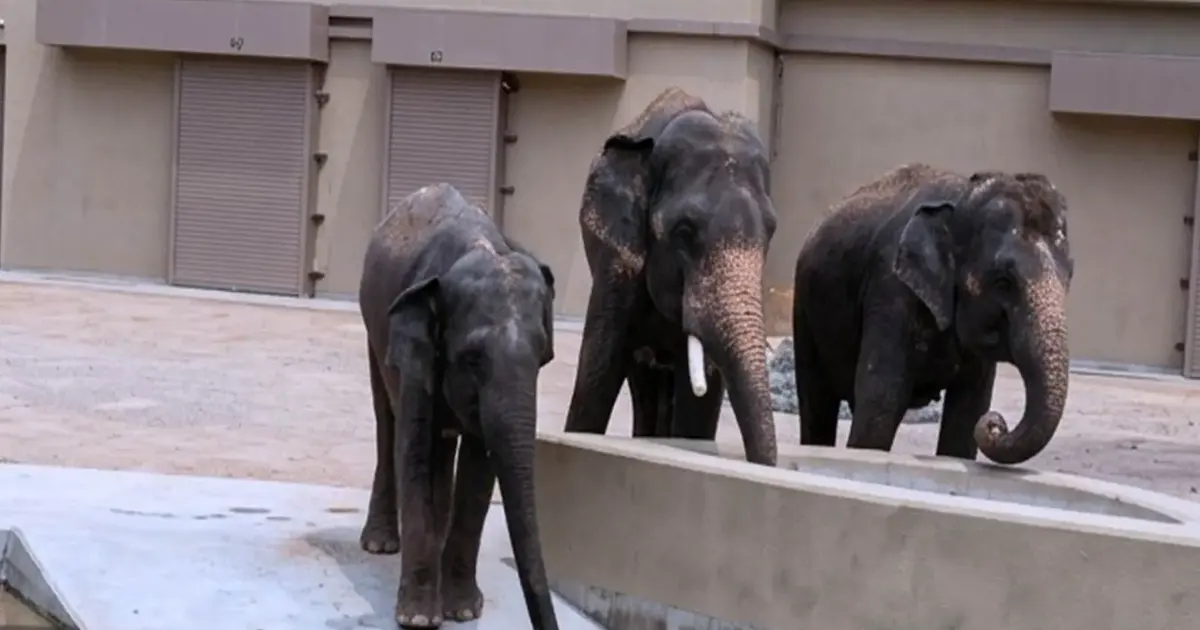
An animal welfare nongovernmental organisation has escalated concerns over the transfer of elephants from Malaysia to Japan, formally requesting that police establish a dedicated task force to examine the controversial shipment. Peka, which has been monitoring wildlife trade issues, alleges the project contains document discrepancies that warrant official scrutiny and has questioned whether the arrangement adhered to Malaysian legislation and international conservation commitments.
The call for investigation emerges amid growing public concern about wildlife transportation practices in the region. Peka's formal request to Bukit Aman, Malaysia's police headquarters, reflects broader anxieties about whether proper protocols were observed when moving the elephants across international borders. Such transfers involve complex regulatory frameworks spanning multiple jurisdictions and species protection agreements that Malaysia has ratified.
The elephant project represents a significant undertaking given Malaysia's status as a nation with substantial Asian elephant populations inhabiting protected forests and reserves. Any movement of these animals outside national territory triggers requirements for compliance with domestic environmental laws, including provisions under the Wildlife Act 1972 and related regulations administered by the Department of Wildlife and National Parks. International obligations stem from Malaysia's membership in the Convention on International Trade in Endangered Species of Wild Fauna and Flora, which restricts commerce in listed species to safeguard populations from overexploitation.
Peka's allegations centre on irregularities within shipping documentation, a technical dimension that carries significance for verifying animal welfare standards during transit and confirming that proper approvals were obtained before movement. Shipping records serve as official proof that exportation met all procedural requirements and that relevant authorities had authorised the project. If discrepancies exist between documents and actual procedures, they could indicate gaps in oversight or potential circumvention of established protocols.
The organisation has specifically questioned whether the elephant transfer complied with Malaysian environmental legislation, raising a critical legal question. Malaysia maintains strict frameworks governing the export of wildlife, particularly species with conservation status. Authorities must verify that any international movement of such animals received appropriate ministerial approval and that environmental impact assessments were conducted where required. The regulatory requirement exists partly to ensure Malaysia fulfils its conservation commitments under international agreements and partly to protect species welfare.
International dimensions add complexity to the case. Japan, as the receiving nation, operates under its own wildlife import regulations, which similarly demand documentation and health certifications for animal transfers. The bilateral nature of the arrangement means both countries' authorities must coordinate and verify compliance. If Malaysian documentation contains irregularities, Japanese authorities may not have received accurate information about the animals' origins or health status, potentially compromising their own regulatory processes.
The involvement of Bukit Aman suggests Peka views the matter as potentially criminal rather than merely administrative. Police involvement would typically investigate whether any laws were deliberately violated or whether document falsification occurred. Such an escalation indicates substantial concerns about the integrity of the project's execution rather than minor procedural oversights. A formal task force would allow coordinated investigation across relevant agencies and could examine communications between all parties involved in arranging and approving the transfer.
Malaysia's elephant populations face significant pressures from habitat loss and human-wildlife conflict, making the conservation status of remaining animals a matter of legitimate public interest. Any export programme involving elephants merits transparent scrutiny to ensure it does not undermine domestic conservation efforts or compromise remaining populations. Public trust in wildlife management depends on demonstrable adherence to established protective frameworks, particularly when international commerce in animals is involved.
Peka's action reflects a broader regional trend of nongovernmental organisations seeking greater transparency in wildlife trading practices. Southeast Asian countries increasingly face scrutiny over animal transportation, particularly given the region's biodiversity significance and the international demand for exotic animals. NGO engagement in monitoring such projects represents an important check on official processes, ensuring that regulatory agencies maintain rigorous standards and that public accountability mechanisms function effectively.
The investigation, should authorities approve it, would likely examine communications between Malaysian departments, the Japanese recipient organisation, shipping companies, and any intermediaries involved in arranging the transfer. Officials would need to verify each signature and stamp on documentation against official records, trace the animals' movements from Malaysian facilities to departure points, and confirm that all required approvals existed before the project commenced. Such investigations require coordination among wildlife, customs, and law enforcement agencies.
The case underscores the continuing tension between wildlife utilisation and species conservation in Southeast Asia. While some argue that international breeding programmes or collaborative conservation efforts justify animal transfers, critics contend that such projects prioritise commercial or research interests over wild population protection. Malaysia's decision on how to respond to Peka's allegations will signal whether authorities are willing to subject international wildlife commerce to rigorous independent review and what weight they assign to NGO-raised concerns about regulatory compliance.
Resolution of the controversy requires not only investigation of the specific elephant transfer but broader reflection on Malaysia's wildlife export governance structures. Strengthening documentation requirements, improving interagency communication, and ensuring transparent public reporting of decisions could prevent future disputes. The case may ultimately prompt policy discussions about whether Malaysia's current frameworks adequately protect species while maintaining international partnerships in conservation and research.

