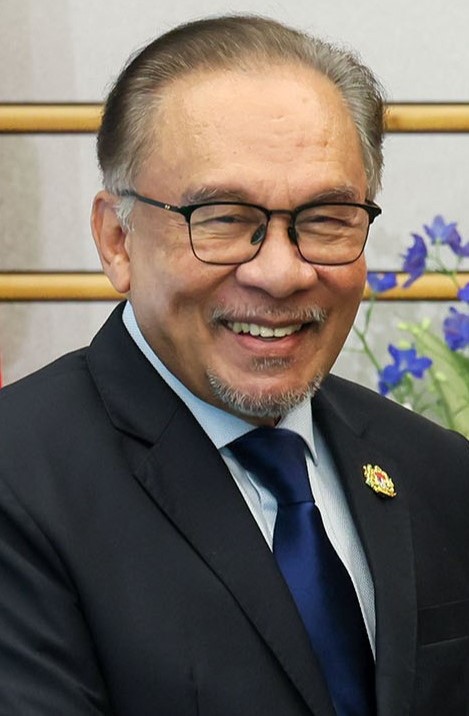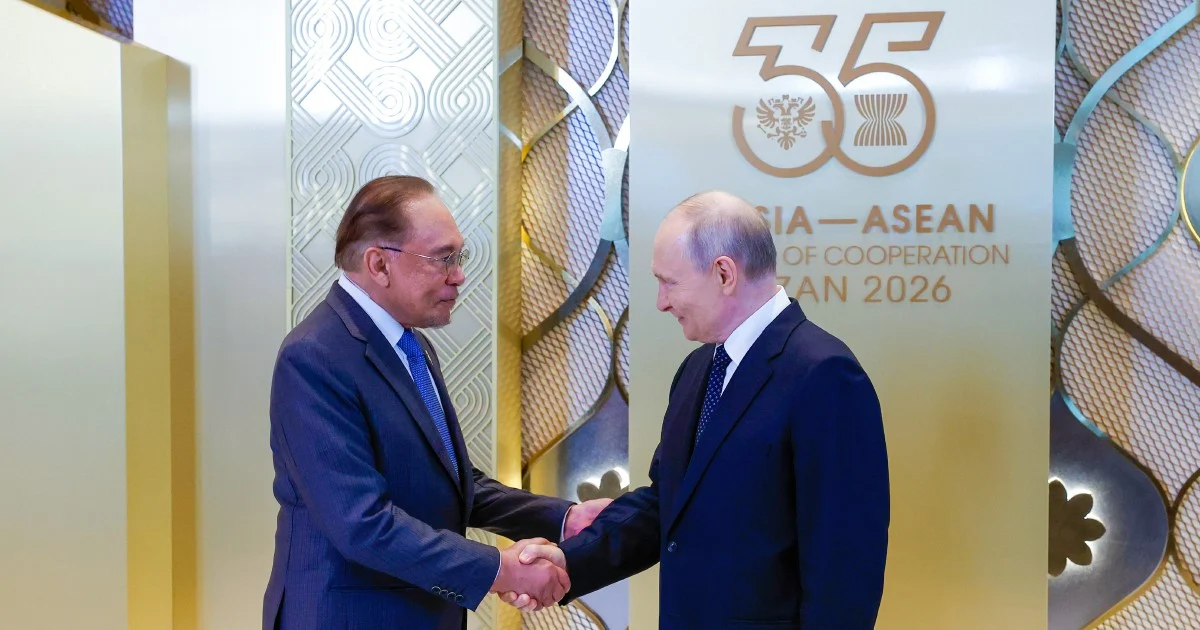
Prime Minister Datuk Seri Anwar Ibrahim and Russian President Vladimir Putin met in Kazan to explore deeper cooperation between Malaysia and Russia, with particular attention devoted to energy security and the practical mechanisms for expanding bilateral commerce through alternative payment arrangements.
The discussion between the two leaders underscores Malaysia's pragmatic approach to international relations at a time when geopolitical tensions continue reshaping global trade patterns. For Southeast Asia's largest economy by GDP, engaging with major energy producers like Russia offers strategic leverage in securing stable supplies while diversifying away from traditional Western-dominated trade frameworks.
Energy security remains a critical concern for Malaysia, a nation dependent on imported petroleum and liquefied natural gas to fuel its manufacturing sector and power generation infrastructure. Russian energy exports, particularly crude oil and natural gas, present a potential avenue for Malaysia to supplement its supplies and reduce vulnerability to price volatility in conventional markets. The timing of these discussions reflects broader regional trends wherein Southeast Asian nations are reassessing their energy partnerships in response to shifting global supply chains and sanctions-related disruptions affecting traditional suppliers.
The emphasis on conducting trade in local currencies—Malaysian ringgit and Russian rubles—signals both nations' interest in reducing reliance on the United States dollar for bilateral transactions. This approach aligns with broader movements among BRICS nations and their associates to create parallel financial infrastructure insulating them from potential Western sanctions and currency fluctuations. For Malaysia, denominating trade in ringgit strengthens the currency's international usage and potentially enhances financial autonomy.
Such currency arrangements carry practical benefits beyond ideological positioning. By settling transactions in ringgit and rubles, Malaysian and Russian businesses reduce foreign exchange risks and costs associated with dollar intermediation. This mechanism particularly advantages smaller enterprises that otherwise face significant transaction fees when converting through major currencies, potentially unlocking greater trade volumes between the two nations.
The bilateral meeting reflects Anwar's administration's strategy of maintaining balanced international relationships while pursuing economic interests. Malaysia's careful navigation between Western partners and non-aligned nations has historically served its economic objectives, allowing the country to benefit from multiple sources of investment, trade, and technology transfer without committing exclusively to any single geopolitical bloc.
Russia's energy sector, despite international sanctions, continues producing significant volumes of crude oil and natural gas that markets beyond Europe and North America actively seek. Malaysia's willingness to engage Moscow on energy matters indicates confidence in supply reliability while avoiding the reputational complications that stricter sanctions adherence might impose on a nation seeking to position itself as a responsible energy consumer.
For the broader Southeast Asian region, Malaysia's engagement with Russia on energy and trade matters potentially creates precedent for other nations evaluating their own Russian relationships. Thailand, Vietnam, and Indonesia closely monitor how Malaysia navigates these partnerships, particularly regarding the domestic political risks of being perceived as sanctions-evasive versus the economic benefits of diversified energy sourcing.
The local currency arrangement discussion also carries significance for Malaysia's ongoing efforts to establish Kuala Lumpur as a regional financial hub capable of handling major bilateral transactions outside traditional dollar-dominated channels. Expanding ringgit usage in trade with significant partners like Russia incrementally builds the currency's credibility and liquidity in international markets, supporting Malaysia's long-term aspirations for greater financial independence.
Beyond immediate energy and trade matters, the Kazan meeting exemplifies how middle-power nations like Malaysia leverage diplomatic engagement to advance tangible economic interests. Rather than engaging in ideological confrontation, Anwar's approach prioritizes identifying mutual economic benefits and practical cooperation mechanisms that can survive broader geopolitical fluctuations.
The discussions also likely encompassed investment opportunities, technological cooperation, and sectoral partnerships extending beyond hydrocarbons. Russian expertise in certain industrial sectors and Malaysian capabilities in electronics manufacturing and petrochemicals could form the basis for deeper commercial relationships benefiting firms in both nations.
Looking forward, whether these conversations translate into substantive increases in bilateral trade and energy flows will depend on implementation by respective governments and the business communities. Currency arrangements alone do not guarantee expanded commerce; regulatory frameworks, payment infrastructure, and corporate incentives must align to facilitate meaningful transaction growth.
The Anwar-Putin meeting ultimately demonstrates Malaysia's continued commitment to strategic autonomy in foreign policy, refusing binary choices between geopolitical camps while systematically advancing its economic interests through calculated engagement with major powers across ideological and regional divides.