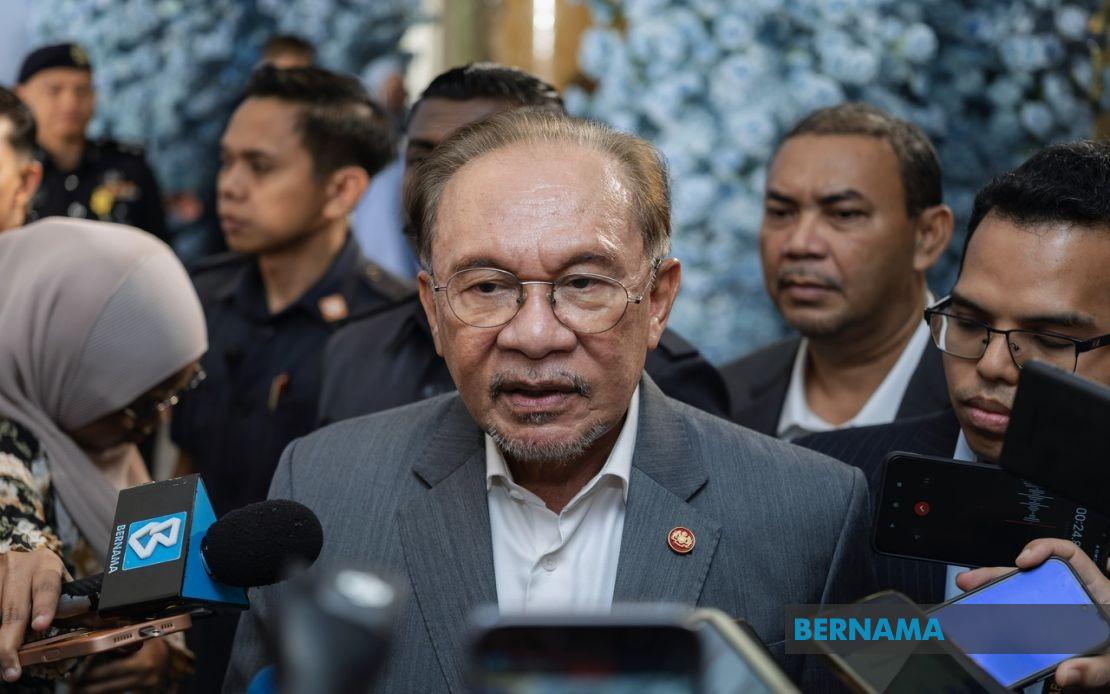
Prime Minister Datuk Seri Anwar Ibrahim indicated on July 15 that he remains uninformed about the circumstances leading to the sudden departure of four Melaka DAP representatives from the state administration, though senior coalition figures are preparing to address the situation in coming days. Speaking to journalists in Kuala Lumpur, Anwar, who chairs the Pakatan Harapan coalition, acknowledged that the party's executive tier would soon initiate steps to manage the fallout from the withdrawals, though he declined to elaborate on the timing or nature of such measures.
The exodus from Melaka's government occurred after the state legislature approved amendments to the state constitution that would permit the appointment of nominated assemblymen to the assembly. The four departing representatives—Allex Seah Shoo Chin from Kesidang, Low Chee Leong from Kota Laksamana, Leng Chau Yen from Banda Hilir, and Kerk Chee Yee from Ayer Keroh—collectively announced their immediate resignation from their posts within the state administration. Their decision to step away underscores growing tensions within the Melaka wing of DAP over governance matters and representation mechanisms.
The timing of the constitutional amendments has become a flashpoint for intra-coalition friction. The provision enabling nominated assemblymen introduces a mechanism that critics argue could circumvent electoral accountability and shift the demographic composition of the legislature. For the four DAP representatives, the changes apparently crossed a threshold of tolerance, prompting them to opt for disassociation rather than participation in a governance structure they viewed as compromised or unfavorably altered. This represents a significant challenge to coalition cohesion in a state where Pakatan Harapan has governed since 2018.
Although Anwar had previously urged the Melaka DAP component party to reconsider its withdrawal decision and instead prioritize developmental work and public welfare, the appeal appears to have carried limited weight with the departing assemblymen. The Prime Minister's earlier intervention suggested a desire to minimize damage to the coalition's standing in Melaka, yet his subsequent admission of insufficient information on the matter suggests the situation may have evolved rapidly beyond the control of federal leadership.
The absence of a comprehensive briefing for Anwar at the point of his public comments raises questions about communication channels within Pakatan Harapan's internal hierarchy. Typically, matters involving the withdrawal of elected representatives from state governments command immediate attention from coalition headquarters, yet the delay in formal notification to the Prime Minister indicates either deliberate insulation of federal leadership or organizational dysfunction within the party machinery. Such gaps in information flow can amplify uncertainty and reduce the effectiveness of coordinated responses.
Melaka's political landscape has proven volatile since Pakatan Harapan took control following the 2018 general election. The state has experienced multiple realignments and shifts in coalition composition, with various parties navigating competing interests and factional pressures. The constitutional amendments and the DAP response must be understood within this context of ongoing repositioning and the perpetual tension between maintaining coalition solidarity and pursuing factional advantages at the state level.
For Malaysian observers, the incident underscores a recurring challenge facing Pakatan Harapan: managing the diverse ideological and strategic priorities of its constituent parties across multiple state administrations. DAP's focus on institutional integrity and democratic procedures sometimes conflicts with pragmatic coalition maintenance, creating friction points that can destabilize governance arrangements. The Melaka situation exemplifies this fundamental tension and suggests that clearer protocols for managing such conflicts may be necessary.
The implications extend beyond Melaka itself. Coalition dynamics in other states where Pakatan Harapan governs may face similar pressures, particularly if constitutional or legislative changes affecting representation mechanisms are contemplated elsewhere. The DAP assemblymen's willingness to exit rather than acquiesce signals that the party maintains boundaries around governance principles, even when doing so carries political costs. This stance could shape negotiations and debates in other jurisdictions where similar questions might arise.
Anwar's commitment to follow-up action carries less weight without immediate clarification regarding the proposed steps and responsible parties. The Prime Minister's measured response—neither condemning the withdrawals outright nor fully endorsing them—reflects the delicate balancing act required of coalition leadership when components pursue courses that challenge overall coherence. How Pakatan Harapan eventually resolves the Melaka matter may set precedents for handling future internal disputes and influence perceptions of the coalition's resilience and decision-making capacity.
The broader significance of this episode relates to governance standards within Malaysia's coalition governments. When elected representatives resign from state administrations citing constitutional concerns, it raises public questions about the legitimacy of legislative processes and the willingness of parties to compromise principles for partisan advantage. The four DAP assemblymen's action, whether ultimately vindicated or criticized, has introduced an element of institutional accountability that Malaysian politics sometimes lacks. Their decision forces other parties to contend with the precedent they have set regarding appropriate responses to governance modifications they oppose.

