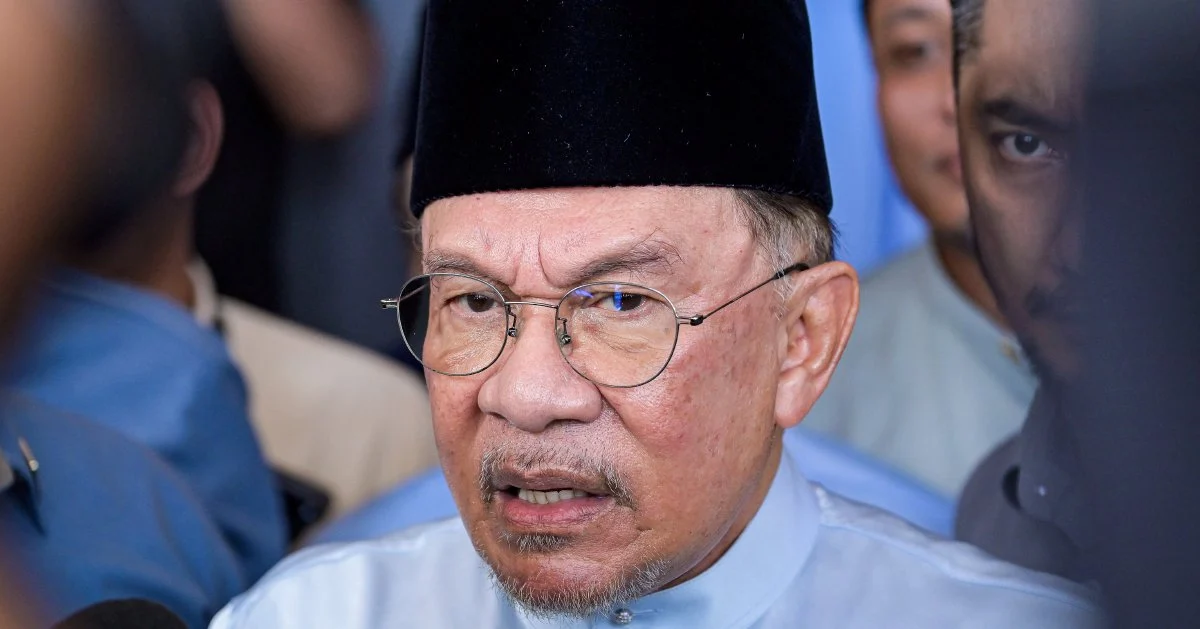
Prime Minister Datuk Seri Anwar Ibrahim has firmly rejected allegations that caretaker Johor Menteri Besar Datuk Onn Hafiz Ghazi was instructed to stay away from Felda settlements during a recent event. Speaking in Dengkil, Anwar dismissed the claims as baseless, signalling renewed tensions within political circles over access and participation at state-level development programmes.
The incident reflects broader friction between federal and state-level leadership in Johor, a state that has long held significant political and economic importance within Malaysia's federal structure. Felda settlements, which represent over 100,000 families across the country and constitute a traditional power base for rural constituencies, have historically served as important platforms for political engagement and development initiatives. The apparent controversy over access to these communities underscores how sensitive such platforms remain in Malaysia's competitive political landscape.
Onn Hafiz's position as caretaker Menteri Besar places him in a transitional administrative role as Johor prepares for upcoming electoral processes. This status creates a particular vulnerability to questions about his political standing and access to state resources, including public events and gatherings. The allegation that he faced barriers to attending Felda activities would carry implications for his ability to maintain political visibility and engage with constituency members during a crucial period.
Anwar's categorical denial suggests an effort to preempt further speculation about internal political divisions or interference in state affairs. The Prime Minister's intervention at the federal level to publicly address a state-specific matter indicates the issue had gained sufficient traction to warrant direct clarification. Such interventions can sometimes amplify rather than diminish public discussion of sensitive matters, as they draw national attention to localized political disputes.
The Felda organization, which manages federal agricultural development authority land and community programmes, maintains formal independence but operates under federal oversight. Events involving Felda settlements therefore carry implicit federal dimensions, even when attended primarily by state-level politicians. This structural arrangement can create ambiguity about who holds authority over participation and access, potentially fuelling disagreements over appropriate involvement by different political actors.
Malaysian politics has witnessed recurring controversies over political figures being denied access to public events or facilities, particularly during periods of electoral transition or political realignment. Such incidents, whether confirmed or alleged, can rapidly damage political reputations and create perceptions of exclusion or marginalization. For a caretaker administrator like Onn Hafiz, maintaining visible engagement with constituent communities becomes strategically crucial to sustaining political credibility and demonstrating continued relevance.
The timing of Anwar's statement from Dengkil, which sits within Selangor and represents a different electoral context, may itself be significant. Addressing the matter from outside Johor could reflect either an attempt to maintain appropriate distance from state-specific politics or a deliberate choice to frame the issue as a federal concern rather than a localized misunderstanding. Either interpretation carries meaning for observers tracking the administration's approach to state governance and political management.
Onn Hafiz's political trajectory in Johor has involved complex manoeuvring across competing factional interests within the state. His caretaker status creates particular vulnerabilities, as any perception of being sidelined or restricted could undermine his position in subsequent political negotiations or electoral arrangements. Conversely, his participation in high-profile state activities signals continued relevance and political legitimacy to observers within and beyond Johor.
The Felda settlements themselves represent constituencies with particular socioeconomic characteristics and historical voting patterns that interest multiple political parties. Events held at these locations frequently attract scrutiny regarding who participates and how they are presented to residents. The apparent controversy over Onn Hafiz's attendance, whether founded or not, directs attention toward Felda communities as sites of ongoing political contestation and strategic importance.
Anwar's dismissal of the claims without providing extensive supporting detail maintains a measured official response while firmly rejecting the substance of the allegations. This approach avoids amplifying specific details that might invite further disputation while establishing the Prime Minister's personal authority to resolve the matter through denial. Whether such a response satisfactorily addresses underlying concerns about political access and fair treatment remains a question that individual stakeholders and observers will assess based on their own political perspectives and information sources.
The incident exemplifies how Malaysia's federal-state dynamics continue generating friction points, particularly when resources, programmes, or visibility opportunities become implicated in broader political competition. As elections approach and transitional administrative arrangements remain in place, such tensions are likely to persist. The management of these disputes through both official denials and continued scrutiny will help shape political perceptions and relationships across Malaysia's evolving governmental landscape.

