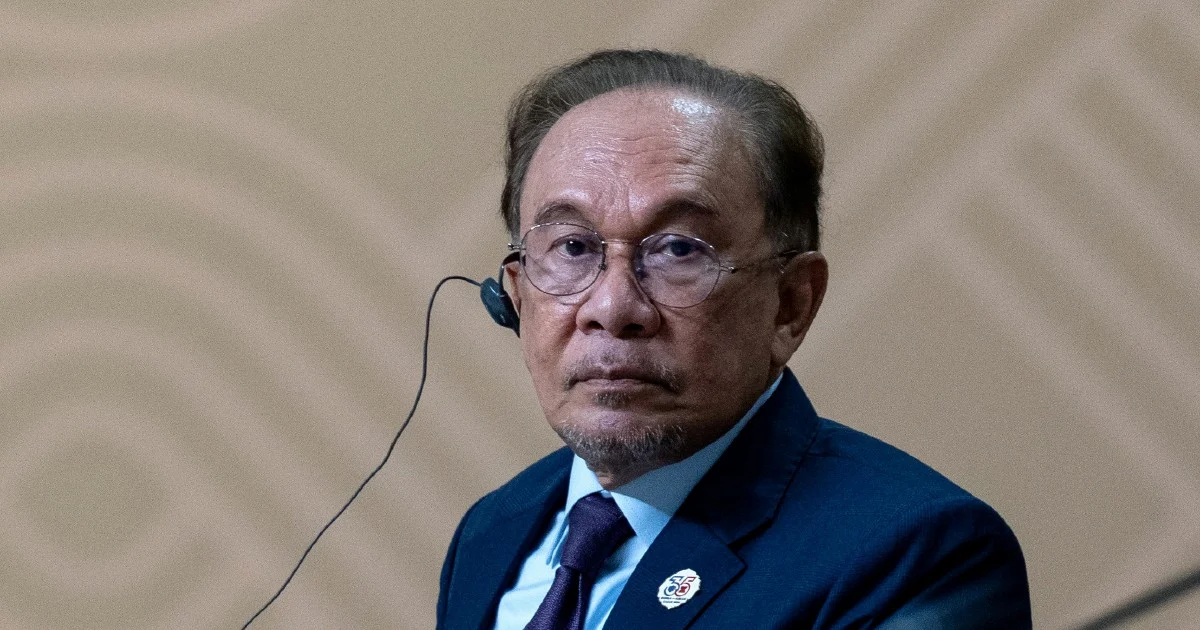
The High Court in Kuala Lumpur has sided with Prime Minister Datuk Seri Anwar Ibrahim's bid to be released from witness duties in a major civil litigation matter involving businessman Vinod Sekhar. The court's decision to overturn the subpoena allows the Prime Minister to avoid testimony in the RM30 million case, a significant ruling that touches on the delicate balance between executive privilege and judicial process in Malaysia's legal framework.
The case represents one of several high-profile civil disputes that have drawn political figures into the witness stand over recent years. Such situations raise important questions about how far the courts can compel sitting government leaders to participate in civil litigation, particularly when their time and attention are consumed by matters of national administration. The outcome in Anwar's favour suggests the court accepted arguments that his role as Prime Minister constitutes sufficient grounds to exempt him from testifying.
Vinod Sekhar, the businessman at the centre of this dispute, has been involved in various commercial ventures across the region. The RM30 million sum in question is substantial by Malaysian standards, and the case clearly held enough weight that the original court order demanded Anwar's presence. However, Anwar's legal team successfully argued that compelling his attendance would impose an unreasonable burden on his executive functions and the governance of the nation.
The judicial reasoning behind such exemptions typically rests on the principle that heads of government require protection from routine court appearances that could compromise their capacity to govern effectively. Malaysia's legal system, inherited from common law traditions, has long recognised certain immunities and protections for sitting officials, though these remain subject to interpretation by the courts on a case-by-case basis. The High Court's decision suggests that judges weighted Anwar's governmental responsibilities heavily in making their determination.
This development carries implications beyond the immediate parties involved. It establishes or reinforces precedent regarding the scope of privilege available to senior executive officials when called to testify in civil matters. Other ministers and government officials facing similar subpoenas may now point to this ruling when seeking their own exemptions. The decision therefore has systemic consequences for how Malaysia balances access to justice with the practical demands of governing a nation of over 33 million people.
Vinod Sekhar's position in this matter remains significant, however. While Anwar has been excused from testifying, the underlying dispute continues, and the case itself is not dismissed. Other witnesses may still be called, and the litigation can proceed with testimony from other relevant parties. The ruling specifically addresses only the subpoena of the Prime Minister, not the merits of the underlying RM30 million claim or the composition of other evidence that may be presented.
For Malaysian legal observers, the judgment highlights an ongoing tension in common law jurisdictions between comprehensive fact-finding in civil litigation and recognition of institutional constraints on government officials. Courts must weigh the plaintiff's interest in obtaining all relevant testimony against the broader public interest in having a functioning executive branch. In this instance, the High Court determined that the latter consideration outweighed the former.
The timing of such legal actions against or involving sitting prime ministers invariably carries political undertones in Malaysia, a nation where legal and political spheres frequently intersect. However, the High Court's decision appears to have been made on technical grounds related to executive privilege rather than political considerations. The judgment reflects established legal principles rather than ad hoc favours, though observers will continue to debate whether such exemptions are appropriately calibrated.
Anwar's successful bid to avoid testifying also raises broader questions about accountability and transparency. While sitting officials require operational latitude, there remains public interest in understanding how senior government figures are involved in major commercial disputes. The balance struck here—protecting the Prime Minister's time while allowing the case to proceed—represents a compromise that seeks to honour both concerns, though critics may argue that justice requires full disclosure regardless of official status.
The case underscores the complexity of Malaysia's legal landscape, where constitutional protections, common law traditions, and contemporary governance challenges intersect. As the nation continues to develop its institutional frameworks and address questions of accountability, decisions like this will shape how courts navigate competing interests. For now, Anwar can return to his duties unencumbered by courtroom obligations, while Vinod Sekhar's dispute continues through other legal channels available in Malaysia's civil litigation system.

