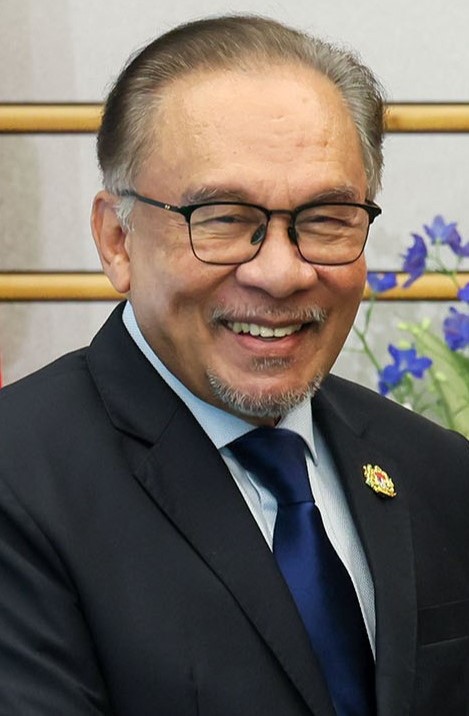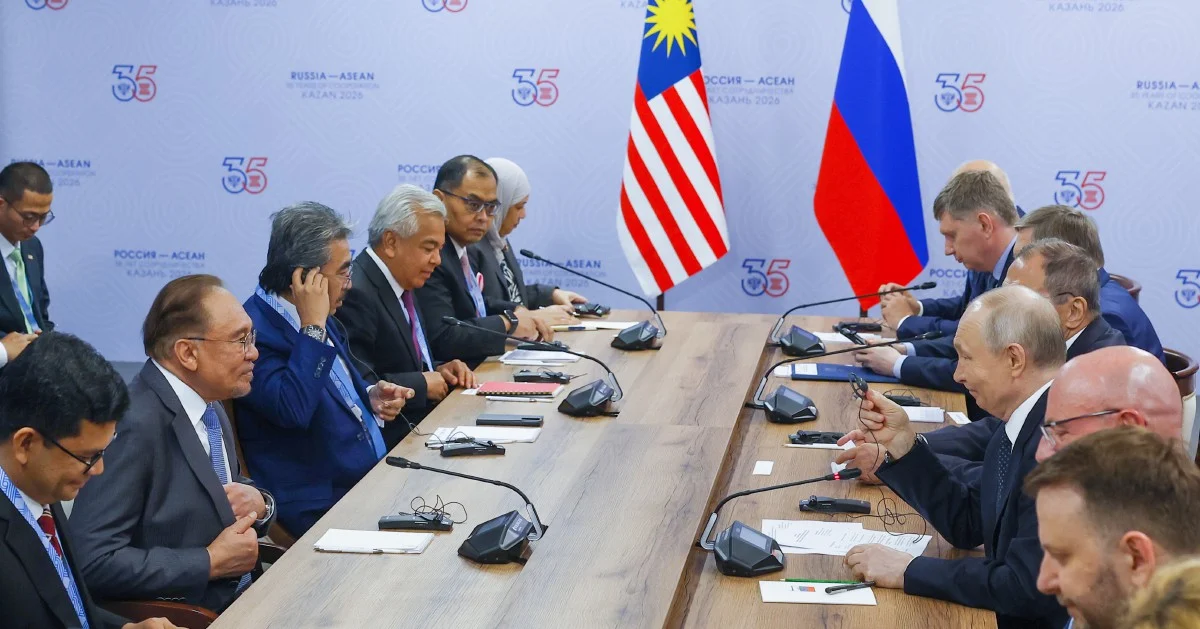
Prime Minister Datuk Seri Anwar Ibrahim has conveyed his appreciation to Russian President Vladimir Putin for the Kremlin's support in deepening energy sector collaboration between Malaysia and Petroliam Nasional Bhd (Petronas), signalling the potential for expanded bilateral ties in the hydrocarbon industry. The recognition came during discussions held in Kazan, highlighting Russia's willingness to cooperate with Southeast Asian partners despite geopolitical pressures and international sanctions.
The acknowledgement underscores Malaysia's strategic approach to diversifying its energy partnerships at a time when global markets are experiencing significant realignment. Rather than remaining dependent on traditional Western suppliers and partners, Kuala Lumpur is actively cultivating relationships with energy-rich nations capable of supporting Petronas's regional and international operations. This shift reflects both pragmatic economic positioning and Malaysia's broader non-aligned foreign policy orientation.
Petroleums' involvement in the energy cooperation framework carries considerable significance for Malaysia's economy. The national champion has increasingly sought international partnerships to sustain its competitive advantage in exploration, production, and liquefied natural gas (LNG) operations. Russia's endorsement of closer ties creates opportunities for technology transfer, joint ventures, and potentially access to new markets for Malaysian energy products, particularly in Asian demand centres where Russian influence remains substantial.
The timing of these discussions is noteworthy against the backdrop of Russia's reduced access to Western markets following 2022 sanctions regimes. Simultaneously, Malaysia has maintained its careful diplomatic balance, avoiding explicit alignment with any major power while preserving its ability to engage across the spectrum of international relationships. For Russia, partnerships with Southeast Asian economies provide crucial economic outlets and geopolitical presence in a region of growing strategic importance.
Energy cooperation between Malaysia and Russia carries implications extending beyond simple bilateral commerce. The hydrocarbon sector touches upon infrastructure development, technology advancement, and workforce capacity-building. Enhanced collaboration could facilitate knowledge exchange in areas such as offshore drilling techniques, LNG processing, and reservoir management—domains where both nations possess relevant expertise and interests.
From Malaysia's perspective, strengthening ties with Russia in energy matters also serves to maintain leverage in regional geopolitical calculations. As the South China Sea becomes increasingly contested and supply chain resilience grows more critical, diversifying energy partnerships reduces vulnerability to potential disruptions emanating from any single source. Russia's historical experience in cold-weather energy operations and arctic development also offers lessons applicable to emerging challenges facing the global energy transition.
Petroleums' international footprint spans multiple continents, with operations in Africa, the Middle East, and Southeast Asia. Russian partnership opportunities could enhance the company's ability to explore new geographic markets or facilitate joint projects in regions where Russian companies already maintain established presence. This collaborative framework allows Malaysian energy interests to benefit from existing Russian relationships and infrastructure networks.
The broader context of Malaysia-Russia relations demonstrates Anwar Ibrahim's administration's commitment to what officials describe as an independent foreign policy. Rather than limiting engagement to traditional Commonwealth partners or Western-aligned nations, the government actively pursues relationships with countries offering economic benefit and strategic alignment with Malaysia's development priorities. Energy sector cooperation represents a tangible expression of this principle.
Beyond immediate commercial dimensions, energy partnerships often create institutional linkages that extend to other domains. Enhanced cooperation between Petronas and Russian entities could spawn collaborations in downstream sectors, chemical production, or renewable energy transition initiatives—areas where expertise from both nations might prove mutually valuable. Such diversification of partnership areas strengthens overall bilateral relationships and increases the cost of any future divergence between the nations.
Malaysia's acknowledgement of Russian support also signals to other potential partners that the country remains open to diversified energy relationships. This positioning strengthens Malaysia's negotiating power with existing and prospective partners while demonstrating that the nation retains agency in selecting its strategic collaborations. In an era where energy security concerns are paramount and traditional alliance structures face reassessment, such flexibility proves increasingly valuable.
The expression of gratitude to Putin serves domestic political purposes within Malaysia as well. It demonstrates to the Malaysian public and international community that the government is actively pursuing economic opportunities through diplomatic engagement, regardless of conventional alliance structures. This approach resonates with constituencies that favour pragmatic, economically-focused foreign policy over ideological considerations in international relations.
Looking forward, the sustainability of Malaysia-Russia energy cooperation will depend on several factors including sanctions regime evolution, global energy market conditions, and the capacity of both parties to identify mutually beneficial projects. The initial signals of political support from both leaders provide a foundation, though translating goodwill into substantive commercial arrangements requires considerable institutional groundwork and alignment of specific interests.