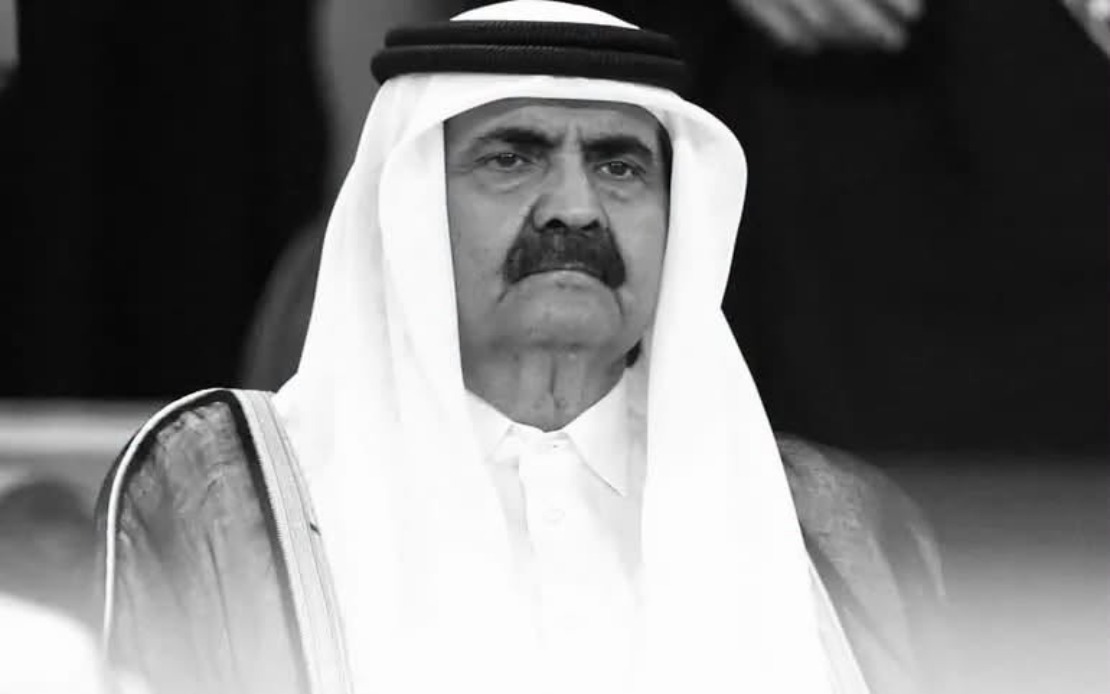
Prime Minister Datuk Seri Anwar Ibrahim has conveyed Malaysia's condolences to Qatar's Amir Sheikh Tamim bin Hamad Al Thani, the broader royal family, and the Qatari population following the recent death of Sheikh Hamad bin Khalifa Al Thani, the Father Amir. The former leader passed away on Sunday morning at the age of 74, according to an announcement from Qatar's Amiri Diwan. Through a statement posted on social media, Anwar acknowledged the significant legacy left by the departed ruler and the profound loss felt across Qatar during this period of national mourning.
During his tenure as Amir from 1995 until 2013, Sheikh Hamad oversaw a transformative period in Qatar's development, establishing the nation as a significant player on the world stage. Anwar's tribute highlighted the former ruler's instrumental role in modernising the country's economy and infrastructure, creating the foundation for Qatar's emergence as a regional and global power. The Prime Minister specifically acknowledged the economic strides achieved during this 18-year period, noting how Sheikh Hamad's vision and strategic leadership positioned Qatar for sustained prosperity and international relevance.
A particularly noteworthy aspect of Sheikh Hamad's reign that drew Anwar's commendation was his decision in 2013 to voluntarily relinquish power to his son, Sheikh Tamim bin Hamad Al Thani. In the context of Middle Eastern politics and governance transitions, this move was characterised as an exceptional demonstration of statesmanship, reflecting a commitment to the nation's institutional continuity and orderly succession rather than perpetual personal rule. This transition represented a deliberate stepping aside by an experienced leader to allow the next generation to guide the nation, a practice that remains relatively uncommon in the region and merits recognition as a principled act of governance.
Beyond the economic achievements and political significance of Sheikh Hamad's leadership, Anwar emphasised the departed ruler's broader impact on regional and international relations. During his tenure, Qatar evolved from a smaller Gulf state into an influential voice in diplomatic forums and multilateral organisations. The nation's growing clout extended across both Arab and Muslim-majority communities worldwide, reflecting Sheikh Hamad's efforts to position Qatar as a constructive participant in global affairs rather than merely a hydrocarbon-dependent economy.
Anwar characterised Sheikh Hamad as a steadfast friend to Malaysia, underscoring the bilateral relationship between the two nations and acknowledging the former Amir's personal contribution to strengthening Malaysia-Qatar ties. This friendship dimension reflects broader historical connections between Malaysia and Qatar, encompassing diplomatic, economic, and cultural exchanges that have deepened under successive administrations. For Malaysia, Sheikh Hamad represented not merely a political figure but someone who valued constructive engagement with Southeast Asian partners and recognised the importance of maintaining meaningful relationships across the Muslim world.
The former Amir's stature across the Muslim world was acknowledged as extending beyond Qatar's borders, reflecting his influence among Islamic nations and communities globally. His leadership during a critical period in Middle Eastern geopolitics afforded him considerable respect and standing among Muslim leaders and intellectuals. This broader Muslim world perspective is significant for understanding how his passing resonates beyond Qatar itself, touching diverse Islamic communities across continents.
In his statement, the Prime Minister invoked Islamic prayers for the deceased, expressing hope that Allah would bless Sheikh Hamad's soul while extending strength and comfort to the grieving royal family and Qatari people. This spiritual dimension reflects Malaysia's commitment to honouring its ties with Qatar not merely as a diplomatic obligation but as an expression of shared Islamic values and mutual respect within the broader Muslim community. The formal condolences represent Malaysia's recognition of the significance of Sheikh Hamad's life and contributions to Qatar and the wider region.
The passing of Sheikh Hamad marks the conclusion of a consequential chapter in Qatar's modern history. His 18-year reign witnessed the nation's transformation from a regional player into a globally recognised actor with significant soft power, economic influence, and diplomatic reach. The foundation he laid continues to support Qatar under the current leadership of his son, Sheikh Tamim, who inherited a nation significantly stronger and more influential than the one his father inherited in 1995.
For Malaysia and Southeast Asian nations, Sheikh Hamad's legacy carries particular relevance given Qatar's increasing engagement in the region through investment, education initiatives, and diplomatic partnerships. The departure of a leader who valued such connections underscores the importance of maintaining and deepening these relationships with the current Qatari administration. As the Muslim world and the international community reflect on his contributions, the focus naturally extends toward ensuring continuity and strengthening of the bonds he helped establish.

