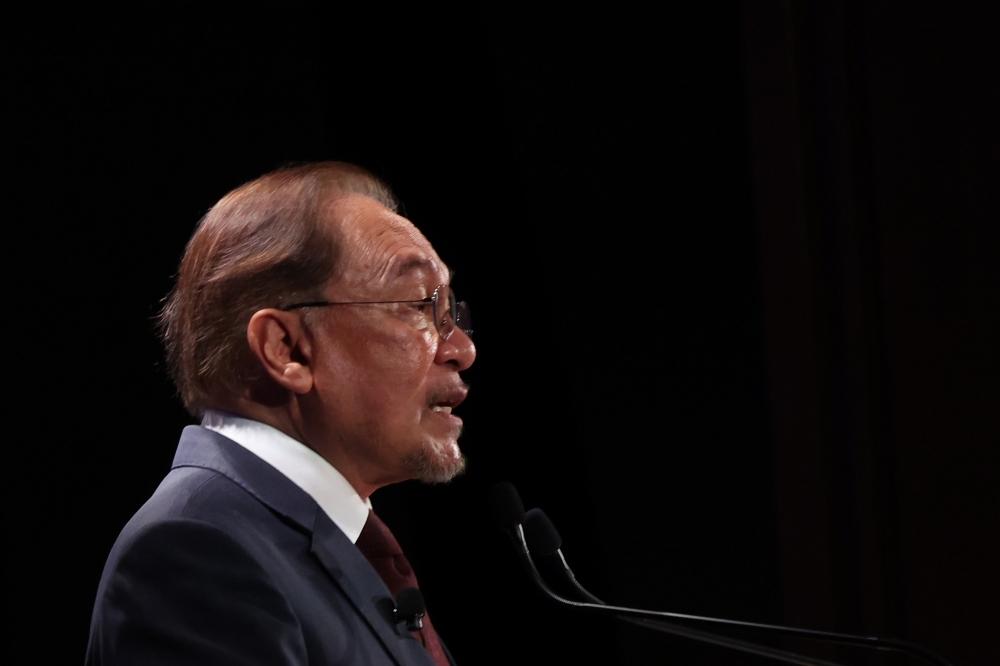
Prime Minister Datuk Seri Anwar Ibrahim has taken legal action against PAS deputy president Tuan Ibrahim Tuan Man, filing a defamation suit in response to remarks the opposition leader allegedly made that the premier contends damaged his reputation and standing. The legal filing, made in Kuala Lumpur today, represents a significant escalation in the political friction between the two figures and their respective political camps.
The lawsuit centres on statements Tuan Ibrahim purportedly made public, which Anwar's legal team maintains constitute defamation under Malaysian law. While specific details of the exact remarks remain subject to legal proceedings, the filing underscores the intensity of political discourse currently gripping the nation's upper echelons of power. Such legal confrontations, though not unprecedented in Malaysian politics, typically signal a breakdown in customary political restraint and civility.
For Malaysian readers accustomed to observing domestic political dynamics, this development carries implications beyond the immediate dispute between the two individuals. Anwar currently leads the federal government following the 2022 general elections and subsequent coalition negotiations, while PAS, through its parliamentary representatives, forms a significant portion of the opposition benches. The relationship between government and opposition parties carries considerable weight in shaping legislative dynamics and national policy direction.
The defamation action reflects broader tensions within Malaysia's political landscape, where competing narratives about governance, accountability, and leadership frequently translate into public statements that occasionally cross into contested territory regarding reputation and character. Legal recourse through defamation suits provides one mechanism through which political figures pursue redress, though such actions simultaneously attract scrutiny regarding their strategic deployment within partisan struggles.
Tuan Ibrahim, who holds considerable influence within PAS as the deputy president of the Islamic party, represents a significant voice within opposition circles. His statements, whatever their precise nature, evidently prompted sufficient concern within the prime minister's office to warrant formal legal action rather than political response alone. This choice suggests the allegations were deemed serious enough to necessitate judicial determination.
The filing occurs against a backdrop of ongoing political realignment in Malaysia. Following the 2022 elections, PAS achieved unprecedented parliamentary representation, significantly strengthening its negotiating position within the political system. The relationship between the government coalition and PAS has remained complex, characterised by tactical cooperation on certain measures alongside fundamental policy disagreements on others.
Defamation proceedings in Malaysia typically involve demonstrated harm to reputation and falsity of statements, requiring evidence of publication and damage. The court will ultimately determine whether Tuan Ibrahim's remarks meet these legal thresholds. Such judicial determinations can prove consequential not merely for the immediate parties involved but for broader questions regarding acceptable political expression and the boundaries of legitimate criticism within democratic discourse.
The lawsuit carries potential ramifications for political communication more broadly. Political adversaries frequently make sharp accusations and critical assessments of opponents' records and positions; defining where legitimate political speech ends and defamatory statement begins remains contested conceptual and legal territory. Outcomes in high-profile cases involving prominent politicians often establish precedent affecting how political figures subsequently calibrate their public statements.
For international observers monitoring Malaysian politics, such legal confrontations provide windows into the mechanics of domestic political competition and dispute resolution. Malaysia's legal framework provides mechanisms for addressing reputation injuries, yet their deployment by prominent politicians sometimes draws questions regarding whether litigation serves primarily as political strategy rather than genuine legal remedy.
The prime minister's decision to pursue formal legal action rather than confine the matter to parliamentary debate or media response signals confidence in the legal foundation of his claim and determination to establish through judicial process that the statements constitute unlawful defamation. The case will likely attract considerable media attention throughout its progression through the courts.
PAS, as the defendant's party, may face pressure to either publicly support its deputy president or maintain studied distance from the legal proceedings. The party's institutional response could significantly influence perceptions regarding its stance toward the government and its broader political orientation. Political parties frequently navigate carefully when prominent members face legal action, balancing loyalty to members against institutional interests.
This lawsuit exemplifies how Malaysia's political elite occasionally resort to legal mechanisms to resolve disputes rooted fundamentally in partisan competition. While courts provide appropriate venues for determining factual and legal questions, the public's perception of judicial independence and neutrality occasionally faces strain when prominent politicians become litigants, particularly when partisan considerations appear potentially relevant to outcomes.
As the case progresses through Malaysia's legal system, observers will monitor both the specific judgment regarding defamation and broader implications for political discourse norms, legal precedent regarding public figures and reputation protection, and consequences for ongoing relationships between the government coalition and opposition parties within parliament.

