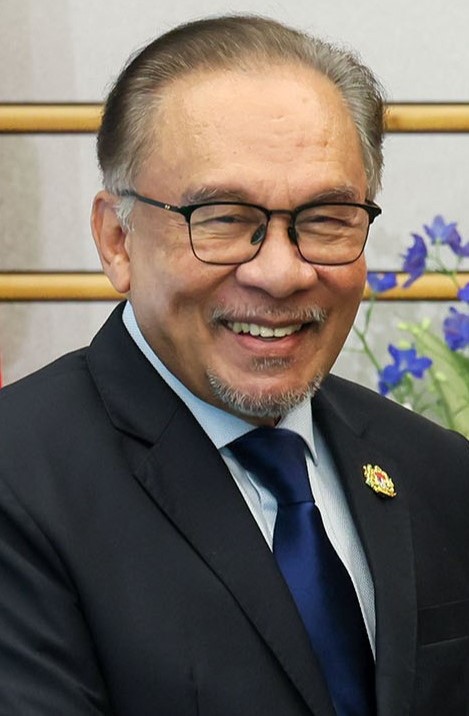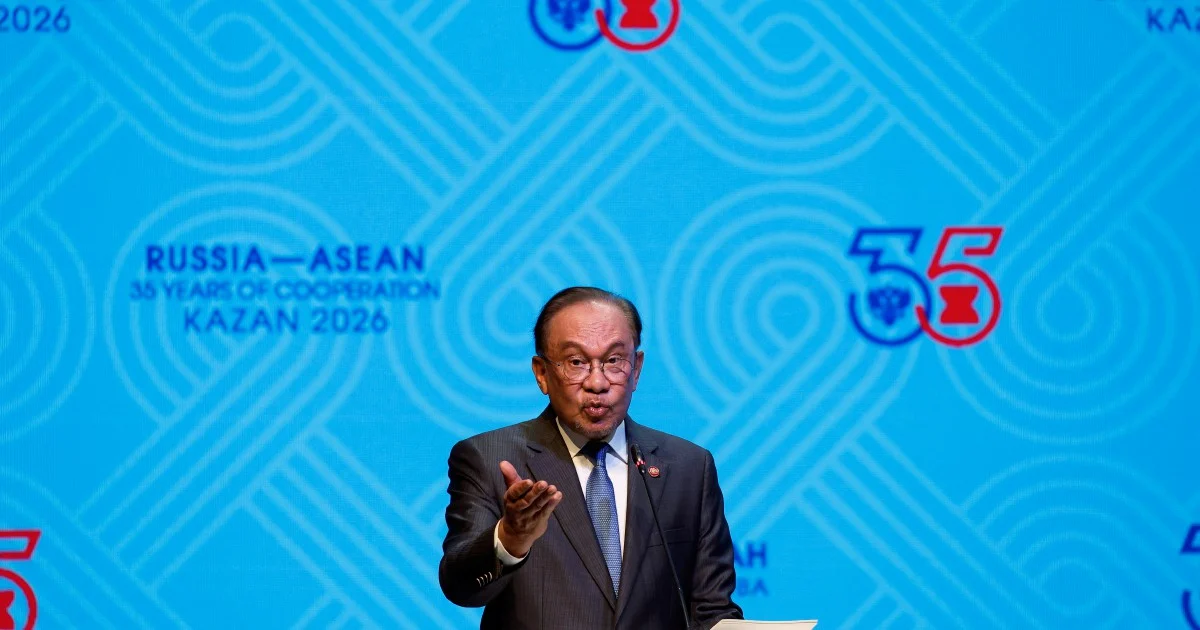
Prime Minister Datuk Seri Anwar Ibrahim has welcomed the completion of the Asean-Russia Strategic Programme on Trade and Investment Cooperation 2026-2035, viewing the milestone as a significant step forward for regional economic integration with Moscow. Speaking in Kazan, Anwar characterised the finalised roadmap as a catalyst for accelerated commercial and investment activity between Southeast Asia's ten nations and Russia, marking renewed momentum in ties that have historically been underdeveloped compared to other global partnerships.
The strategic programme represents the culmination of diplomatic negotiations aimed at creating a clearer framework for trade flows and capital movements across the Asean-Russia relationship. By establishing a decade-long vision through 2035, both sides have signalled their intention to move beyond ad-hoc cooperation towards systematic economic integration. For Malaysia and its Asean partners, the agreement offers potential pathways to diversify trading partners and reduce overdependence on traditional Western markets and China, a consideration increasingly relevant given global supply chain fragmentation and geopolitical tensions.
Yet Anwar's characterisation of the roadmap as merely a starting point carries deeper implications. His emphasis that an enabling environment is essential suggests recognition that formal agreements alone do not guarantee commercial success. The Prime Minister appeared to acknowledge existing structural barriers that have limited Asean-Russia economic engagement, from infrastructure gaps to regulatory complexity and the lingering effects of international sanctions affecting Russian business transactions. Without addressing these foundational issues, even comprehensive trade frameworks risk remaining largely symbolic.
Geopolitically, the timing of this agreement carries significance. Russia has faced increasing isolation from Western markets following its invasion of Ukraine, creating strategic incentives for Moscow to deepen ties with major regional blocs like Asean. For Southeast Asian nations, engagement with Russia offers opportunities to maintain balanced relations amid superpower competition, reinforcing the region's non-aligned positioning. Anwar's measured optimism reflects Malaysia's own diplomatic philosophy of maintaining productive relationships across ideological and geopolitical divides.
The specific dimensions of the 2026-2035 roadmap likely encompass energy cooperation, given Russia's position as a major global energy supplier and Asean's significant consumption needs. Enhanced liquefied natural gas trade, oil and gas sector partnerships, and investment in downstream facilities could form cornerstones of expanded commerce. Beyond energy, agricultural products, minerals, and manufactured goods represent areas where complementarity exists between Russian production capabilities and Asean market demands.
Investment cooperation provisions within the roadmap create frameworks for Russian capital deployment across Asean, from infrastructure development to technology transfer initiatives. Malaysian businesses and policymakers should pay particular attention to sectors where Russian expertise or capital could contribute value, whether in telecommunications, resource extraction, or manufacturing. Conversely, Asean firms may find opportunities in accessing Russian markets, particularly as sanctions encourage Russian enterprises to seek alternative supply chains and partnerships beyond the West.
The enabling environment Anwar referenced extends beyond diplomatic agreement to encompass practical business conditions. Financial mechanisms facilitating trade between currencies under international restrictions require establishment, particularly as Western financial institutions face compliance pressures. Both sides must develop banking channels, insurance frameworks, and payment systems that allow normal commercial activity while navigating sanctions regimes. These technical foundations often receive less public attention than political announcements but determine whether ambitious trade targets materialise.
Regulatory harmonisation between Asean member states themselves represents another prerequisite for maximising the roadmap's potential. Southeast Asian nations maintain differing standards, customs procedures, and investment requirements that can fragment unified approaches to Russian partners. Strengthening intra-Asean coordination on trade facilitation would enhance the bloc's collective negotiating position and allow Russian investors and exporters to engage more efficiently with the region as an integrated market rather than ten separate entities.
For Malaysia specifically, deeper Asean-Russia ties carry sector-specific implications. Palm oil producers might explore expanded Russian markets despite current global sustainability pressures. Malaysian financial services firms could position themselves as intermediaries helping Russian companies navigate Asean investment. Engineering and construction sectors might benefit from infrastructure projects resulting from enhanced cooperation. Port facilities in Klang and Port Klang could see increased traffic from Russia-bound goods or Russian origin commodities destined for Asean consumption.
Anwar's carefully worded endorsement suggests Malaysian government awareness that enthusiasm for the agreement must be tempered by realism about implementation challenges. International sanctions regimes, technological barriers, and Western pressure on allies complicate execution of trade programmes involving Russia. Yet the Prime Minister's statement indicates Malaysia's commitment to pragmatic engagement, refusing to allow external pressures to entirely foreclose commercial opportunities with major global powers.
The roadmap's success will ultimately depend on demonstrable commercial benefits reaching Malaysian and broader Asean business communities within the coming years. Early wins in specific sectors could build momentum for deeper integration, while repeated delays or unfulfilled commitments could render the 2026-2035 framework merely another symbolic agreement gathering dust. Both Asean and Russian governments recognise that turning political statements into actual trade and investment flows requires sustained effort beyond the ceremonial signing phase.
Moving forward, Malaysian policymakers should actively engage with both Asean counterparts and Russian contacts to ensure the enabling environment Anwar mentioned receives concrete attention. Identifying quick-win projects that generate visible economic benefits could demonstrate viability of the partnership to domestic constituencies. The strategic programme represents opportunity rather than guarantee; transforming the latter into the former requires strategic implementation and unwavering focus on practical business outcomes.