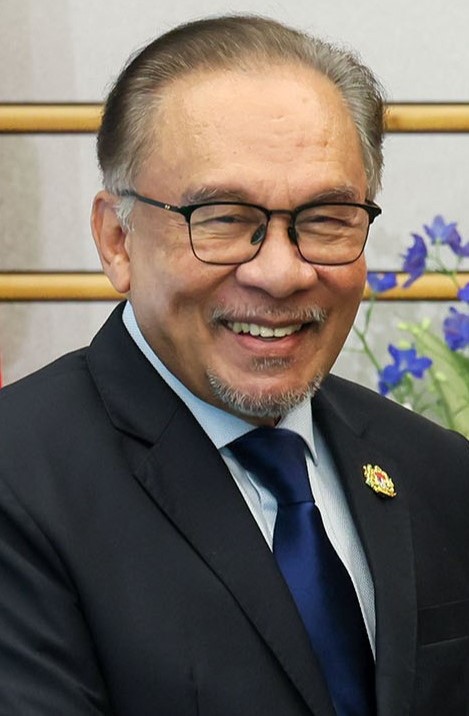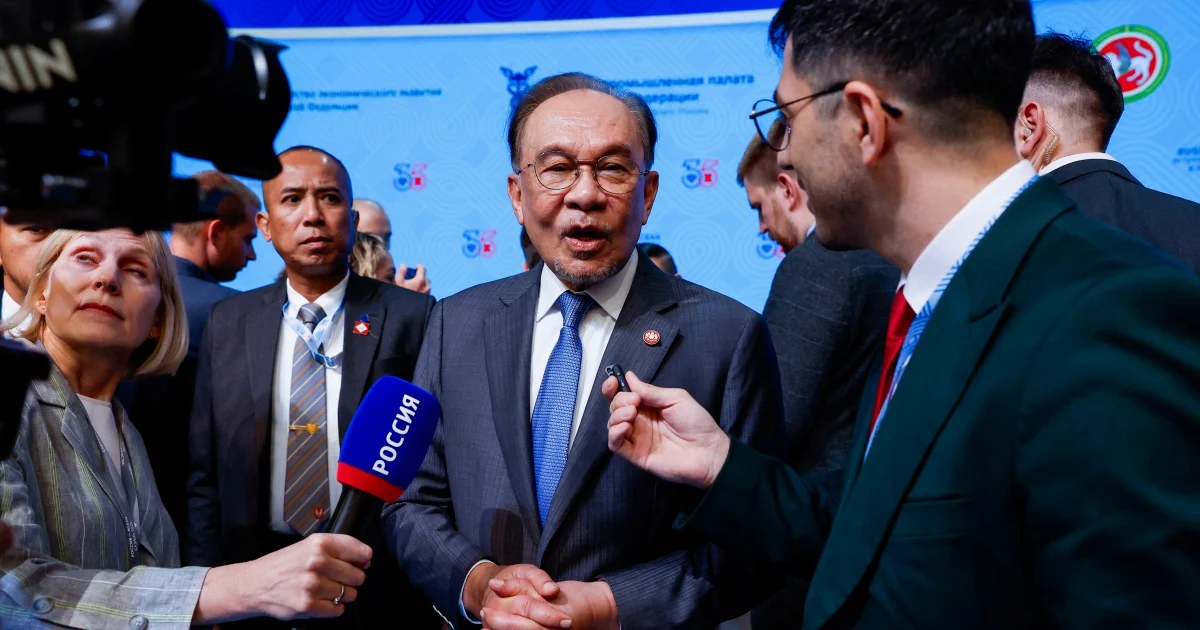
Prime Minister Datuk Seri Anwar Ibrahim has articulated a vision of regional engagement that extends beyond the traditional confines of trade and investment, elevating cultural exchange to an equal standing with economic partnership. Speaking in Kazan, Anwar outlined how nations can forge deeper, more enduring relationships by embracing shared artistic and intellectual traditions. His remarks reflect a broader Malaysian diplomatic strategy that recognises the multifaceted nature of international relations in an increasingly interconnected world.
Anwar's personal engagement with Russian cultural traditions offers a window into how political leaders can embody the values they espouse in formal settings. By publicly acknowledging his enjoyment of Russian songs and literature, the Prime Minister sends a signal that cultural appreciation transcends official channels and diplomatic protocols. This humanising dimension of statecraft serves to build bridges between populations, fostering goodwill that can underpin more substantial bilateral cooperation. For Malaysia, a nation itself rich in diverse artistic traditions, such positioning reinforces the country's commitment to cultural pluralism and cross-cultural understanding.
The emphasis on literature and music carries particular significance in the context of Malaysia-Russia relations. Both nations possess rich literary traditions that have shaped their national identities and values. Russian literature, with its profound philosophical dimensions and exploration of human complexity, has long commanded respect across the Muslim world and Asia more broadly. Malaysian intellectuals and policymakers have similarly engaged with Russian thought, creating informal channels of understanding that complement official diplomatic structures. Anwar's public acknowledgment of this cultural resonance strengthens these unspoken connections and validates their importance at the highest levels of government.
From a regional perspective, Malaysia's capacity to engage meaningfully with diverse cultural spheres enhances its standing as a moderate voice in Southeast Asia. The country's positioning as a Muslim-majority nation that respects and engages with global cultural traditions serves as a counterpoint to more insular approaches. When leaders like Anwar demonstrate genuine appreciation for foreign artistic achievements, they model a form of engagement that Malaysian citizens and other regional actors can emulate. This cultural diplomacy becomes particularly valuable in an era marked by growing polarisation and mutual suspicion between different civilisations.
The linkage Anwar draws between cultural and economic cooperation reflects a sophisticated understanding of how nations build sustainable relationships. Economic ties, while important, can be transactional and vulnerable to shifting market conditions and political calculations. Cultural exchanges, by contrast, create human-to-human connections that persist across political cycles and economic downturns. Young Malaysians who engage with Russian literature or music develop a residual affinity for Russian culture that translates into broader receptivity toward bilateral cooperation. These soft power benefits accumulate over time and contribute to a foundation of mutual respect that fortifies formal diplomatic relations.
Russia's own strategic interest in enhancing its cultural footprint in Asia aligns with Malaysia's openness to such exchanges. As Moscow seeks to diversify its international partnerships beyond its traditional European focus, engagement with Southeast Asian nations takes on heightened importance. Malaysia, positioned at a crossroads of global trade routes and home to sophisticated educational institutions, offers Russia an attractive venue for cultural diplomacy. By embracing Russian cultural offerings, Anwar positions Malaysia as a welcoming destination for Russian artists, scholars, and cultural institutions seeking to expand their presence in the region.
The practical manifestations of such cultural appreciation can extend into concrete policy areas. Educational exchange programmes, joint cultural festivals, and collaborative artistic projects can emerge from the groundwork laid by leaders who champion cross-cultural understanding. Universities in Malaysia could develop stronger ties with Russian institutions, fostering scholarly exchange in fields ranging from literature and philosophy to music and performing arts. Such initiatives would complement existing academic partnerships and create career opportunities for Malaysian scholars interested in Russian studies.
Anwar's remarks also carry implications for Malaysia's position within broader Asian geopolitics. As the region navigates complex relationships with major powers, the ability to engage authentically across different cultural and civilisational traditions becomes a strategic asset. Malaysia's approach of balancing economic interests with cultural respect demonstrates a maturity in international relations that distinguishes it from more one-dimensional partnerships. This balanced engagement model offers a template for other Southeast Asian nations seeking to develop multifaceted relationships with external powers without compromising their sovereignty or cultural identity.
Looking forward, the integration of cultural diplomacy into Malaysia's engagement strategy warrants sustained attention and resource allocation. Government support for translation projects, cultural exhibitions, and artistic collaborations can transform high-level rhetoric into visible reality. When citizens encounter Russian literature in well-stocked bookshops, attend performances by Russian musicians, or participate in cultural exchange programmes, they experience tangible evidence of their government's commitment to meaningful international engagement. Such grassroots cultural exposure generates the public support necessary for sustained diplomatic initiatives.
Ultimately, Anwar's emphasis on cultural bonds reflects a recognition that nations are built not merely through treaties and trade agreements, but through the accumulated goodwill and mutual understanding fostered by shared appreciation of human creativity and expression. In positioning Russian music and literature as legitimate components of Malaysia's international relations toolkit, the Prime Minister elevates the discourse on what genuine partnership between nations entails. This approach offers a refreshing contrast to purely instrumentalised diplomatic engagement and provides a more humanistic foundation for building bridges across cultures and geographies.