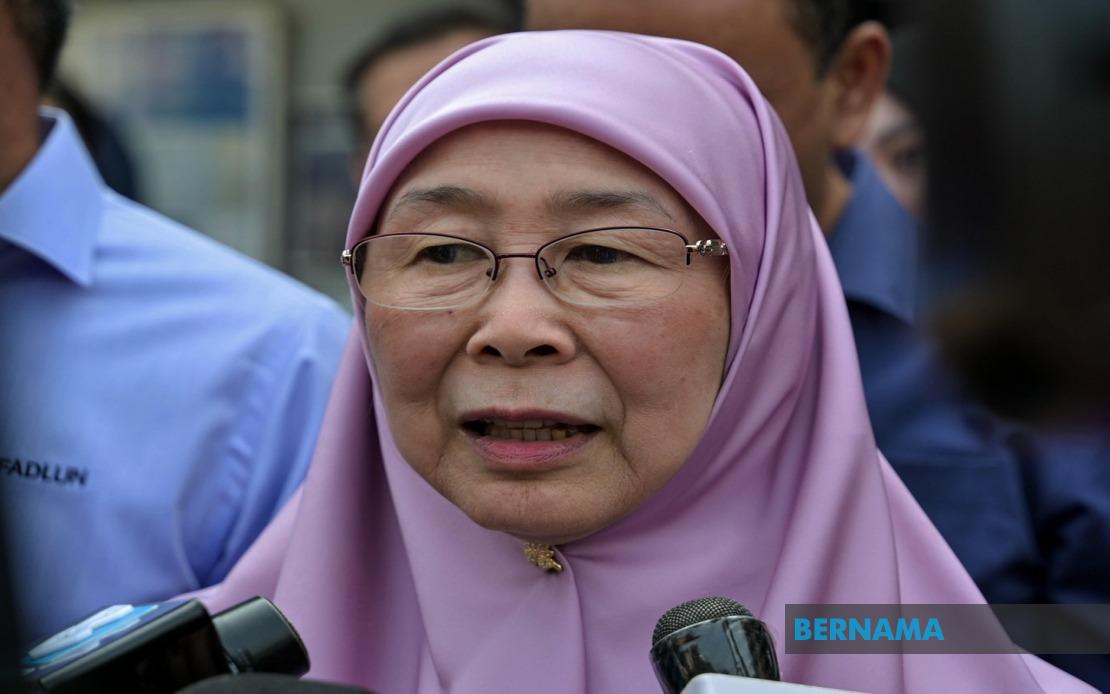
Prime Minister Datuk Seri Anwar Ibrahim is expected to be discharged from hospital on August 12 after completing his treatment and recovery period, according to an update provided by his wife, Datuk Seri Dr Wan Azizah Wan Ismail. The announcement comes just days after the premier underwent a planned surgical intervention to address a specific abdominal condition, marking another step in his medical care and eventual return to full duties.
Dr Wan Azizah relayed that the Prime Minister has expressed sincere appreciation for the outpouring of support and prayers from Malaysians during his hospital stay. Through his spouse, Anwar conveyed his warmth and gratitude to all those who have shown concern for his health and recovery prospects. The message underscores the personal and public nature of the Premier's situation, reflecting the widespread attention his medical matters have generated among citizens and international observers alike.
The surgical procedure performed on Monday was specifically designed to correct a para-umbilical hernia through laparoscopic techniques. This minimally invasive approach represents a standard modern treatment for such conditions, typically resulting in faster recovery times and reduced postoperative discomfort compared to conventional open surgery. The elective nature of the procedure indicates it was planned well in advance rather than an emergency intervention, allowing medical teams at the treating facility to optimise preparations and ensure comprehensive readiness.
Dr Wan Azizah made these remarks while attending the Semarak Merdeka programme held at the Bandar Tun Razak branch of the Kuala Lumpur City Hall. This event forms part of the nationwide celebrations for the 2026 National Month, highlighting the government's commitment to maintaining regular public engagement and ceremonial duties even during periods when the Prime Minister requires medical attention. The continuation of such activities through senior government figures demonstrates institutional continuity and the broader machinery of state functioning independent of any single individual's temporary unavailability.
The timing of Anwar's hospitalisation and surgical procedure during Malaysia's festive period has raised questions about governmental operations and succession protocols. While the Prime Minister undergoes recovery, various ministerial portfolios continue their functions through established delegations and administrative frameworks. This situation provides a practical demonstration of Malaysia's governmental structures and how the country manages executive continuity when the head of government requires medical treatment.
A para-umbilical hernia, the condition Anwar underwent surgery to treat, is a relatively common abdominal issue where tissue protrudes through a weakness in the muscle wall near the navel. Although such hernias can often be managed conservatively through observation and lifestyle modifications, surgical intervention becomes appropriate when symptoms worsen or the risk of complications increases. The laparoscopic approach chosen for Anwar's treatment involves small incisions and camera-guided instruments, generally resulting in minimal scarring and quicker return to normal activities compared to traditional surgical methods.
The Prime Minister's medical situation has broader implications for Malaysian political stability and regional perceptions of governance. International observers and trading partners often monitor the health and availability of key political figures, with medical absences occasionally generating speculation about broader governmental changes. Transparent communication from official sources, as provided by Dr Wan Azizah, helps mitigate unnecessary uncertainty and maintains confidence in institutional stability and succession planning within the executive branch.
Anwar's recovery trajectory will likely influence his upcoming schedule of domestic and international engagements. Prime Ministers typically maintain extensive calendars of state visits, bilateral meetings, cabinet sessions, and ceremonial functions. Any extended medical absence can create scheduling challenges and potentially delay time-sensitive policy initiatives or diplomatic commitments. The expected discharge suggests that recovery is progressing according to medical expectations, though full resumption of normal duties may require several days to weeks depending on individual recuperation and medical clearance.
The transparency surrounding the Prime Minister's hospitalisation reflects contemporary practices in Malaysian governance, where public health matters of national leaders increasingly receive official disclosure. This represents a shift from historical patterns where such information might have been withheld or minimised. The public release of medical information, even selective details, demonstrates recognition of citizens' legitimate interest in the wellbeing and operational capacity of their supreme executive officer.
For Malaysian citizens and the broader Southeast Asian region, Anwar's swift progression from surgery through hospitalisation toward discharge provides reassurance regarding governmental continuity and the Prime Minister's general health trajectory. Malaysia's complex political landscape has historically experienced periods of uncertainty regarding leadership capacity and succession, making transparent health updates particularly valuable for maintaining public confidence. The expected discharge signals that the medical intervention achieved its objectives without significant complications requiring extended hospitalisation.

