%22%2F%3E%3C%2Fpattern%3E%3C%2Fdefs%3E%3Crect%20width%3D%22100%25%22%20height%3D%22100%25%22%20fill%3D%22url(%23ph3wezkg)%22%2F%3E%3Crect%20width%3D%22100%25%22%20height%3D%22100%25%22%20fill%3D%22url(%23ph3wezkp)%22%2F%3E%3Ctext%20x%3D%2250%25%22%20y%3D%2250%25%22%20text-anchor%3D%22middle%22%20dominant-baseline%3D%22central%22%20fill%3D%22rgba(255%2C255%2C255%2C0.95)%22%20font-family%3D%22Georgia%2C%20'Times%20New%20Roman'%2C%20serif%22%20font-weight%3D%22700%22%20font-size%3D%22272%22%20letter-spacing%3D%22-0.02em%22%3EAnwar%3C%2Ftext%3E%3C%2Fsvg%3E)
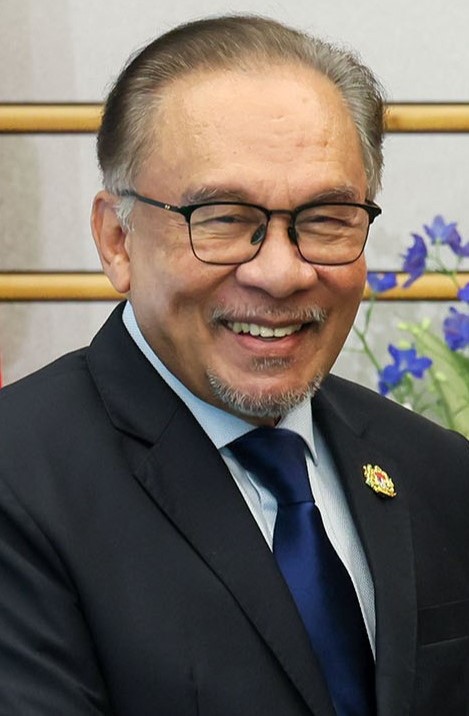
Prime Minister Datuk Seri Anwar Ibrahim has publicly commended Russian President Vladimir Putin for upholding what he characterised as a principled and unwavering position on two of the most pressing geopolitical issues confronting the Middle East: the Gaza conflict and the broader regional tensions involving Iran. The Malaysian leader made these remarks during a bilateral meeting held in Kazan on Wednesday evening, underscoring the importance Malaysia places on consistency and moral clarity in international diplomacy at a time when such positions face considerable pressure from competing global powers.
Anwar's appreciation extended beyond mere acknowledgment, framing Russia's approach as one worthy of emulation and respect. In his opening statements at the meeting, the Prime Minister stressed that Malaysia and numerous other nations regard Putin's steadfastness with admiration, suggesting that principled positions on contentious Middle Eastern affairs carry significant weight in how countries assess their diplomatic partners. This recognition reflects Malaysia's own navigation of complex regional dynamics, where maintaining balanced yet principled foreign policy stances has long been a cornerstone of the nation's international engagement strategy.
The Gaza situation represents one of the most divisive issues in contemporary international relations, with nations increasingly forced to take clear positions despite the humanitarian and political complexities involved. Russia's consistent call for ceasefire arrangements, humanitarian access for Palestinian populations, and diplomatic pathways to resolution has positioned Moscow as a voice advocating for negotiated settlements rather than military escalation. For Malaysia, a country with significant Muslim population sympathies and long-standing advocacy for Palestinian rights, Russia's positioning on this matter aligns with values that resonate across multiple constituencies within Malaysian society.
Iranian affairs constitute another dimension of Russia's strategic engagement in the Middle East, with Moscow maintaining robust diplomatic and economic relationships with Tehran while simultaneously advocating for dialogue-based solutions to international disputes. The Russian approach distinguishes itself by resisting the pressure to adopt confrontational stances that dominate Western foreign policy toward Iran, instead emphasizing negotiation and diplomatic engagement. This orientation reflects Russia's broader strategic interests in maintaining influence across the region while preserving its capacity to serve as a broker in regional disputes.
The bilateral meeting between Anwar and Putin occurred against a backdrop of shifting global alignments, where middle powers like Malaysia must carefully calibrate their relationships with major powers holding divergent interests in key regions. Malaysia's recognition of Russia's consistency suggests the government views reliability and principle-driven decision-making as important qualities in measuring the trustworthiness of major power partners. In an environment where geopolitical positions frequently shift based on immediate tactical considerations, Putin's government has maintained relatively stable positions on Middle Eastern affairs across multiple years and changing international circumstances.
The geopolitical significance of Gaza and Iran extends well beyond their immediate regional contexts, as these issues have become focal points through which major powers—including the United States, Russia, and China—project their influence and attempt to shape regional outcomes. The competition among these powers for favorable positioning in Middle Eastern affairs creates an environment where other nations must choose how to engage with each power's respective approaches. Malaysia's willingness to publicly commend Russia's stance signals the country's assessment that principled positions, even when diverging from Western preferences, merit recognition and appreciation in international discourse.
Russia's humanitarian advocacy regarding Palestinian access to assistance and reconstruction materials represents a practical dimension of its Gaza policy, moving beyond rhetorical positions to emphasize concrete outcomes that alleviate suffering. This orientation appeals to Malaysia's own humanitarian concerns and suggests areas where bilateral cooperation might deepen. The Russian emphasis on diplomatic solutions rather than military intervention also resonates with Malaysia's historical preference for multilateral frameworks and negotiated settlements in addressing international disputes.
Anwar's public articulation of Malaysian appreciation for Russia's consistency serves multiple diplomatic functions simultaneously. Domestically, it signals to Malaysian constituencies that their government remains attentive to Middle Eastern developments and aligned with positions that reflect broader Muslim world concerns. Internationally, it reinforces Malaysia's commitment to principled neutrality while maintaining substantive engagement with all major powers. The timing and context of these remarks during an official bilateral meeting lend weight to the assertion that this represents genuine policy alignment rather than diplomatic courtesy.
The broader significance of Malaysia's engagement with Russia on these issues reflects the country's increasing assertion of an independent foreign policy voice within Southeast Asia and the larger Asian region. While maintaining important relationships with Western partners, Malaysian leadership has demonstrated willingness to recognize and appreciate positions taken by non-Western powers when those positions align with Malaysian values and interests. This approach allows Malaysia to navigate great power competition while preserving diplomatic flexibility and refusing to be locked into zero-sum calculations that would require abandoning relationships or principles.
Moving forward, the articulation of shared perspective on Gaza and Iran between Malaysia and Russia may create space for deeper cooperation on Middle Eastern affairs, whether through multilateral forums, technical cooperation, or enhanced diplomatic coordination on key issues. Both nations share interests in maintaining stability in key strategic regions and resisting unilateral approaches that disrupt international order. The meeting in Kazan thus represents not merely ceremonial exchange but a reinforcement of substantive alignment on matters that both nations view as central to responsible international conduct.
Anwar's remarks ultimately underscore Malaysia's sophisticated understanding of contemporary international relations, where small and medium powers must carefully position themselves in relation to competing major power blocs while maintaining fidelity to core principles and values. By publicly commending Russia's consistency on Middle Eastern issues, Malaysia signals that principle-driven engagement carries weight in its assessment of international actors and that reliability and steadfastness are qualities Malaysia seeks in its diplomatic relationships. This positions Malaysia as a thoughtful actor in regional affairs, one capable of recognizing and appreciating positions aligned with its interests while maintaining broader engagement across the international system.