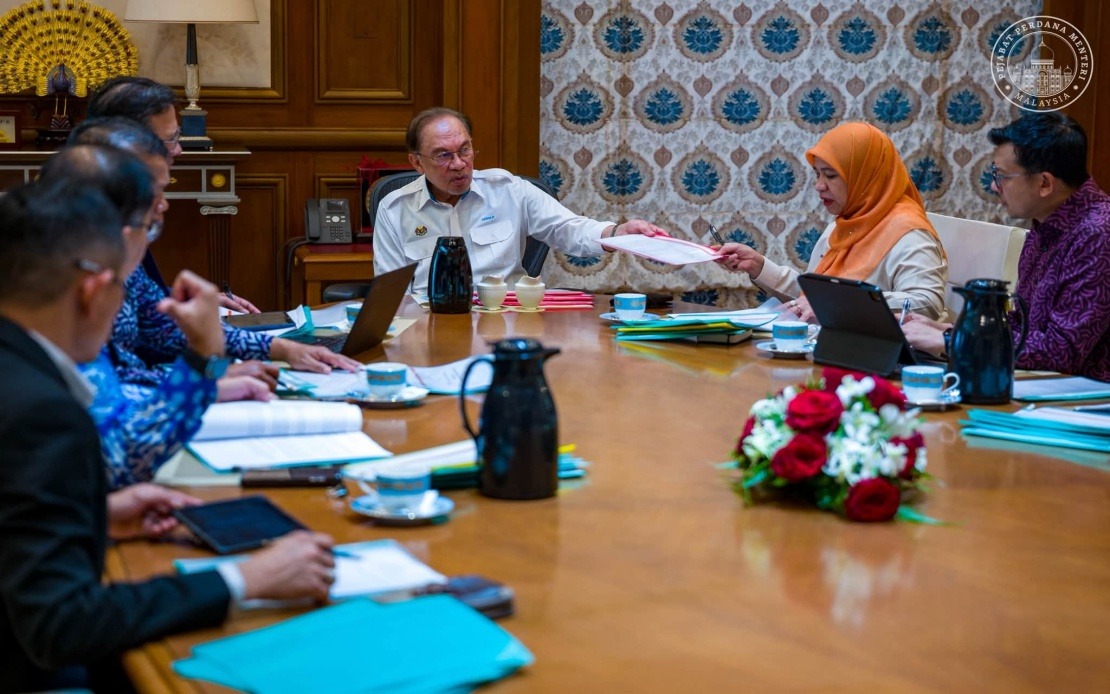
Prime Minister Datuk Seri Anwar Ibrahim has signalled growing impatience with the Federal Land Development Authority's handling of longstanding complaints from its settler population, demanding the agency prioritize solutions for second-generation housing and land ownership complications that continue to frustrate residents across the country. Through a public statement released on July 6, the premier emphasized that these accumulated difficulties cannot persist indefinitely and require prompt, decisive intervention centred on the welfare of FELDA communities.
The issues confronting FELDA residents have become increasingly complex over the organization's history. Second-generation settlers—the children of original land development scheme participants—have faced mounting obstacles in securing housing allocations and establishing clear legal ownership of land parcels, challenges that reflect broader structural pressures within the settlement model. These complications arise from the intersection of inheritance traditions, title documentation gaps, and the original contractual arrangements governing FELDA plots, which were designed primarily with first-generation settlers in mind.
Anwar's intervention reflects the government's commitment to the MADANI development agenda, which positions rural welfare and smallholder prosperity as central pillars of national progress. The statement underscores that strengthening FELDA requires more than symbolic gestures; it demands systematic examination of each complaint combined with transparent remedial strategies. This approach acknowledges that blanket solutions rarely work across diverse settlement contexts, where family circumstances, land valuations, and documentation histories vary considerably.
The timing of this directive carries political significance within Malaysian governance. FELDA settlements represent crucial electoral constituencies, and their residents' grievances have periodically surfaced during parliamentary debates and community forums. By publicly directing the authority toward rapid resolution, Anwar positions his administration as responsive to grassroots concerns while placing accountability firmly on institutional leadership to demonstrate tangible progress.
Second-generation land ownership disputes have proliferated as original settlers age and their heirs seek to formalize claims or sell inherited parcels. Documentation challenges compound these difficulties, as some original allocation records remain incomplete or ambiguous regarding inheritance provisions. Additionally, current residents often lack clarity on which plots qualify for second-generation allocation and through which mechanisms such transfers occur, creating frustration among younger families attempting to establish themselves within FELDA communities.
Housing complications mirror these ownership challenges. First-generation settlers received standard residential plots, yet their children frequently cannot access comparable allocations due to space constraints and the scheme's finite land base. This has spawned expectations that FELDA should facilitate modern housing solutions, potentially through joint ventures or alternative development models that address contemporary family needs rather than replicating mid-twentieth-century settlement patterns.
The authority's previous approaches to these issues have yielded uneven results. Various committees have examined aspects of the problem, yet comprehensive systemic reform has remained elusive. Anwar's statement suggests the government intends to move beyond incremental analysis toward actionable resolutions that demonstrably improve resident circumstances within defined timeframes.
For Malaysian readers, particularly those with family connections to FELDA communities, this development signals potential movement on grievances that have accumulated across generations. The agricultural sector's significance to national food security and rural income means that FELDA settlers' welfare intersects with broader economic policy considerations, making their satisfaction relevant beyond individual settlement boundaries.
Implementing Anwar's directive will require FELDA leadership to conduct rapid triage of outstanding complaints, identify categories of issues amenable to prompt resolution, and establish clear protocols for addressing complex cases. This might encompass expedited land title verification, streamlined procedures for second-generation allocations, or pilot housing initiatives testing new development models within selected settlements.
The statement reflects broader MADANI administration priorities regarding inclusive development and institutional responsiveness. By channeling attention toward settler concerns, the government demonstrates commitment to constituencies frequently overlooked during urban-focused policy debates, reinforcing narratives of balanced national development that extend prosperity beyond metropolitan areas.
Moving forward, FELDA's performance on these directives will likely feature prominently in government performance assessments and opposition scrutiny alike. Successful resolution of second-generation issues could catalyze similar interventions addressing grievances within other rural development frameworks, establishing precedent for systematic institutional reform addressing accumulated historical complaints.
The overarching challenge remains bridging settler expectations with institutional constraints and financial realities. Yet Anwar's public pressure suggests the administration intends converting longstanding grievances into catalysts for structural transformation rather than permitting them to remain perpetual sources of community discontent and electoral vulnerability.

