Prime Minister Datuk Seri Anwar Ibrahim has turned his sights on the opposition, accusing it of weaponising the Tabung Haji controversy to deflect scrutiny from deeper institutional failures. In a sharp Facebook statement on August 11, Anwar contended that critics were attempting to transform him into the centrepiece of debate rather than addressing the actual betrayal of trust within the pilgrimage savings body, which serves as a crucial financial instrument for millions of Malaysian Muslims seeking to fulfil the hajj obligation.
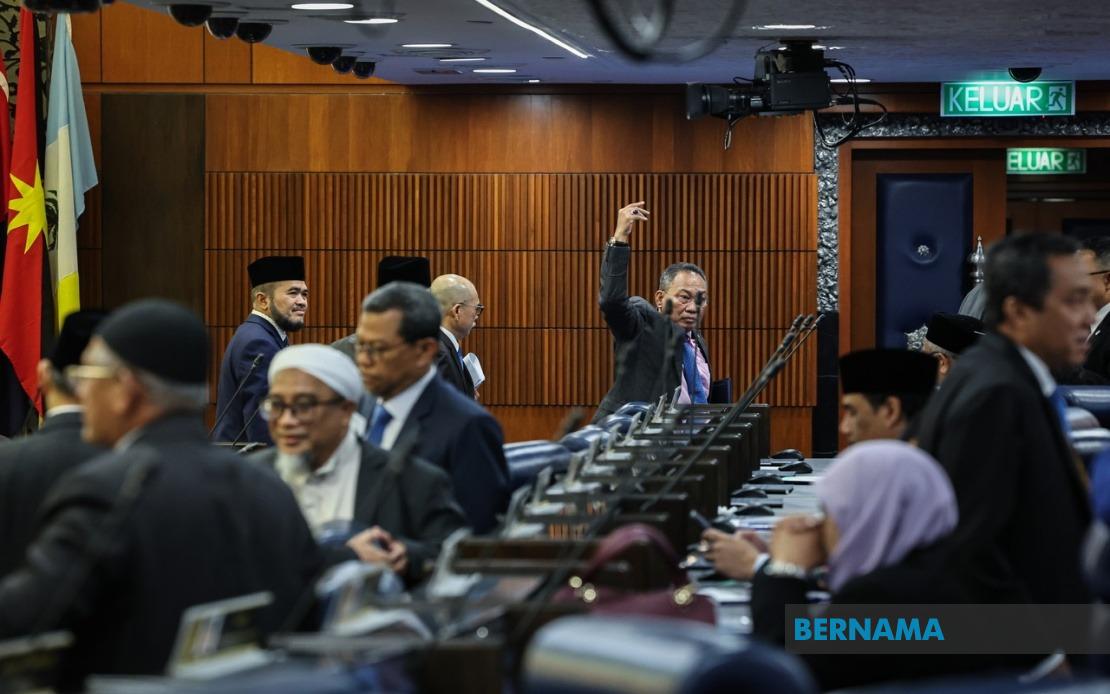
The Prime Minister's remarks came amid significant parliamentary discord. Opposition members staged a walkout from the Dewan Rakyat during a special sitting convened to discuss the Royal Commission of Inquiry report on Tabung Haji. Their protest targeted the Speaker's decision to proceed with ministerial briefings despite Anwar's absence, as well as the rejection of an adjournment proposal tabled by Perikatan Nasional Chief Whip Datuk Seri Takiyuddin Hassan. The parliamentary theatre underscored deepening fault lines between the government and opposition benches over how the institution's substantial financial distress should be handled and investigated.
Anwar's absence from the session stemmed from medical reasons. The Prime Minister had undergone an elective laparoscopic procedure to address a para-umbilical hernia and required ongoing physiotherapy, a circumstance he publicly acknowledged. Nevertheless, the opposition's decision to boycott proceedings demonstrated their determination to make a symbolic stand, even as government ministers proceeded with their prepared remarks on recovery measures.
The 211-page RCI report, released publicly on July 29, revealed systemic weaknesses spanning the 2014 to 2020 period, a critical timeframe that encompasses several administrations and varying governance standards. The inquiry identified 25 specific recommendations for strengthening institutional oversight and financial management. By July 30, Tabung Haji had already implemented approximately 75 per cent of these suggestions, signalling an earnest attempt to demonstrate responsiveness to the commission's findings and to restore public confidence in an institution that holds the savings of ordinary Malaysians.
At the heart of Anwar's frustration lies the conviction that partisan considerations are overshadowing the genuine grievances of Tabung Haji's depositors. In his statement, he specifically invoked the names of those who depend on the institution: fishermen, farmers, teachers, police personnel, soldiers, and retirees who have diligently saved through Tabung Haji to fulfil a core religious obligation. These constituencies represent the backbone of Malaysia's social fabric, individuals whose economic security and spiritual aspirations are intertwined with the institution's stability. Anwar's rhetorical framing positions opposition criticism not merely as political disagreement but as an abandonment of these vulnerable groups.
The Prime Minister also levelled pointed criticism at the Perikatan Nasional coalition and its dominant partner, PAS, questioning whether they genuinely prioritise the interests of lower-income Malaysians and working-class communities. This challenge strikes at the opposition's self-presented identity as defenders of Malay-Muslim interests, suggesting that their parliamentary tactics undermine rather than advance the welfare of the communities they claim to represent. The question posed by Anwar—whether PN truly cares about depositors from all walks of life—encapsulates a broader dispute over which political force genuinely champions the concerns of ordinary citizens.
The Tabung Haji controversy itself reflects accumulated trust deficits that extend across multiple governance periods. The RCI was established in 2021, with members formally appointed on January 20, 2022, indicating that investigations into institutional failings had been underway for nearly a year before the full report emerged. The Yang di-Pertuan Agong received the findings on August 30, 2022, yet the public disclosure and parliamentary discussion did not occur until nearly a year later, suggesting a measured approach to managing what could have been an explosive political issue.
For Malaysian Muslims, particularly those of modest means who have contributed savings to Tabung Haji over decades, the inquiry's findings carry profound implications. The institution manages resources earmarked specifically for performing hajj, one of Islam's Five Pillars, making any mismanagement not merely a financial but a spiritual affront. The vulnerabilities identified in the 2014 to 2020 period suggest that oversight mechanisms failed to prevent deterioration in governance standards, an outcome that breaches the implicit trust placed in state-backed religious financial institutions.
Anwar's intervention in the debate represents an attempt to reclaim the narrative around institutional accountability from what he characterises as opposition opportunism. By framing criticism of government handling of Tabung Haji as secondary to criticism of those responsible for the institution's troubles, the Prime Minister seeks to establish a hierarchy of culpability. In his view, those who allowed weaknesses to develop and depositor interests to be compromised bear the primary responsibility, while those now politicising the issue compound the original betrayal.
The parliamentary walkout and subsequent political exchanges highlight tensions within Malaysia's political system regarding how serious institutional failures should be addressed. The opposition's strategy of boycotting proceedings and demanding a sitting adjournment suggests a belief that the government's timeline and framing of the Tabung Haji discussion inadequately serves accountability objectives. Conversely, the government's determination to proceed and present its response demonstrates confidence in the recovery measures already undertaken.
The implementation of 75 per cent of RCI recommendations by late July suggests momentum toward institutional reform, though the remaining 25 per cent of unimplemented suggestions warrant scrutiny. The specific nature of these outstanding recommendations and timeline for their completion may reveal whether the government's response addresses the commission's most critical concerns or whether implementation is being pursued unevenly.
Looking ahead, the Tabung Haji matter will likely remain contentious as political actors jockey for advantage ahead of potential electoral contests. For Malaysian Muslims and particularly those who depend on the institution, the paramount concern lies not in political positioning but in whether governance reforms genuinely prevent recurrence of the failures documented in the RCI report. The resolution of this institutional crisis will ultimately depend less on parliamentary rhetoric and more on the substantive quality of oversight mechanisms and the government's demonstrated commitment to protecting depositor interests across all political cycles.

