Prime Minister Datuk Seri Anwar Ibrahim is set to reveal Pakatan Harapan's full roster of candidates for the upcoming Negeri Sembilan state election at a public gathering in Dataran Melang, Kuala Pilah, on Tuesday, July 14. The announcement marks a significant milestone in the coalition's preparations for the electoral contest, with senior party officials confirming that the selection process has concluded and the official list has already been submitted to the necessary authorities.
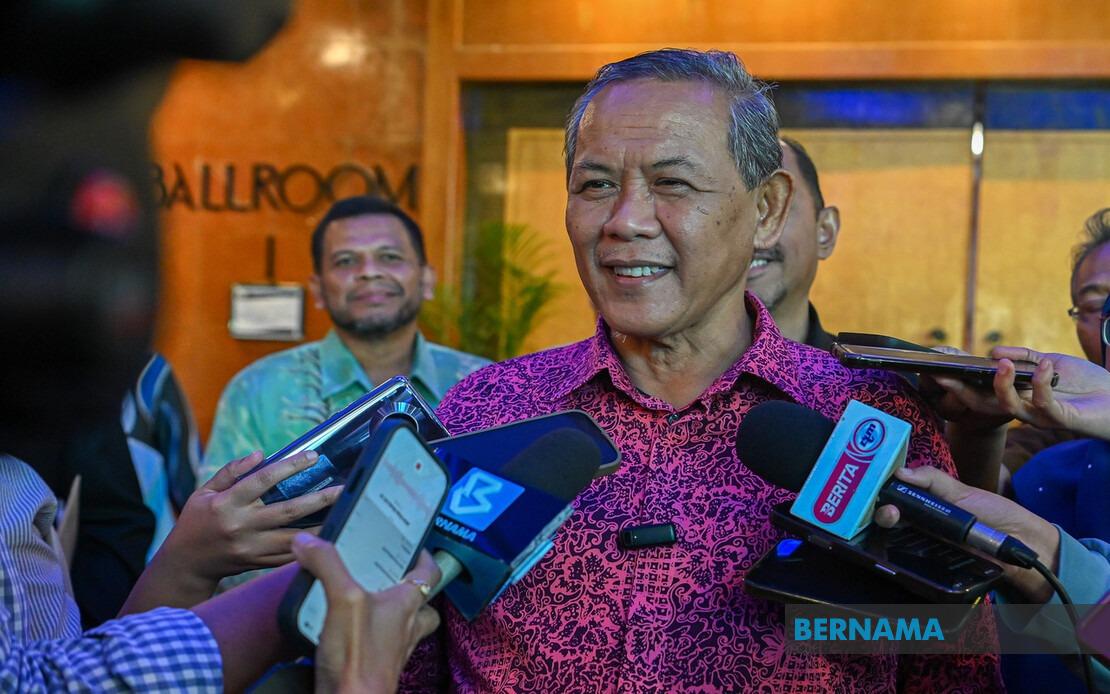
Negeri Sembilan PKR chairman Datuk Seri Aminuddin Harun confirmed the announcement details while addressing reporters in the state capital. Aminuddin, who also serves as Negeri Sembilan's Menteri Besar, emphasized that the coalition has completed its internal deliberations regarding candidate selections, and the Prime Minister's public declaration will formalize these decisions. The timing of the announcement places it just four days before the official nomination period commences on July 18, allowing the coalition minimal time to finalize campaign machinery and voter outreach strategies.
Candidates across the state remain uncertain about their own participation, with intense speculation surrounding several high-profile seats. Aminuddin himself deflected questions about whether he would contest the Linggi state seat, choosing instead to defer all inquiries until after Tuesday's formal unveiling. Despite his position as the state's chief minister and a senior party figure, he maintained standard protocol by refraining from premature confirmation of his own candidacy, stressing that all party members and supporters should exercise patience and await the official announcement.
The coalition structure for the contest has already been disclosed in general terms. As outlined in early June, Pakatan Harapan will distribute the 36 state seats among its component parties according to a carefully negotiated arrangement. The PKR will contest 16 seats, positioning itself as the dominant coalition member within Negeri Sembilan. The Democratic Action Party will field candidates in 11 constituencies, while Parti Amanah Negara will bear responsibility for the remaining nine seats. This distribution reflects both electoral mathematics and internal coalition dynamics, with seat allocations typically influenced by each party's organizational strength and historical performance in specific constituencies.
The electoral calendar has been precisely established by the Election Commission, creating a compressed timeline that will test the coalition's organizational capabilities. Nomination day arrives on July 18, allowing a mere four days for candidates to complete administrative registration after the public announcement. Early voting has been scheduled for July 28, providing a window for eligible voters who cannot cast ballots on the main election day. The official polling day is set for August 1, meaning the entire campaign period spans approximately two and a half weeks from announcement to voting day.
Aminuddin stressed the imperative for all coalition members to concentrate their efforts on securing electoral victory in the state. His remarks reflected the competitive nature of the contest and the coalition's desire to maintain control over the state government. The Menteri Besar's emphasis on unified campaign efforts suggests potential concerns about voter mobilization and the need to present a cohesive front across all 36 constituencies. In Malaysian state elections, unified party messaging and coordinated grassroots activities often determine outcomes in closely contested races.
The Negeri Sembilan election holds significance beyond the state itself, serving as a potential barometer for national political sentiment. As one of the smaller Malaysian states by electorate size, Negeri Sembilan nonetheless attracts attention from federal-level political observers seeking to gauge public mood regarding the Pakatan Harapan-led federal government. Results from such state contests frequently influence perceptions of government performance and can either bolster or undermine the administration's standing in advance of future national elections.
Pakatan Harapan's approach to the Negeri Sembilan contest will likely emphasize its track record in the state and broader performance in government. The coalition has governed Negeri Sembilan continuously since 2018, providing tangible results to highlight during campaigns. However, opposition parties will certainly seek to exploit any governance shortcomings or public dissatisfaction, making the coalition's campaign messaging critical to outcomes. The compressed timeline between announcement and polling day leaves limited opportunity for extended campaign cycles, placing pressure on candidates to quickly establish their platforms and connect with voters.
The formal candidate announcement on Tuesday will enable media organizations and political analysts to assess the coalition's strategic choices regarding seat distribution and candidate selection. Key questions will include whether sitting representatives secure renomination, how many new faces emerge as candidates, and whether the coalition implements significant changes in its electoral strategy compared to previous contests. Such analysis will provide insight into internal coalition calculations and priorities as the parties prepare for the electoral battle.
For Malaysian voters in Negeri Sembilan, Tuesday's announcement opens a critical engagement period. The revelation of candidates will clarify voter choices and enable constituents to evaluate the qualifications and backgrounds of those seeking their support. The subsequent campaign fortnight will determine whether Pakatan Harapan maintains its governance position or faces electoral reversal. Given the stakes involved and the compressed timeline, the coalition's execution during these forthcoming weeks will prove decisive in determining the state's political direction for the next term.

