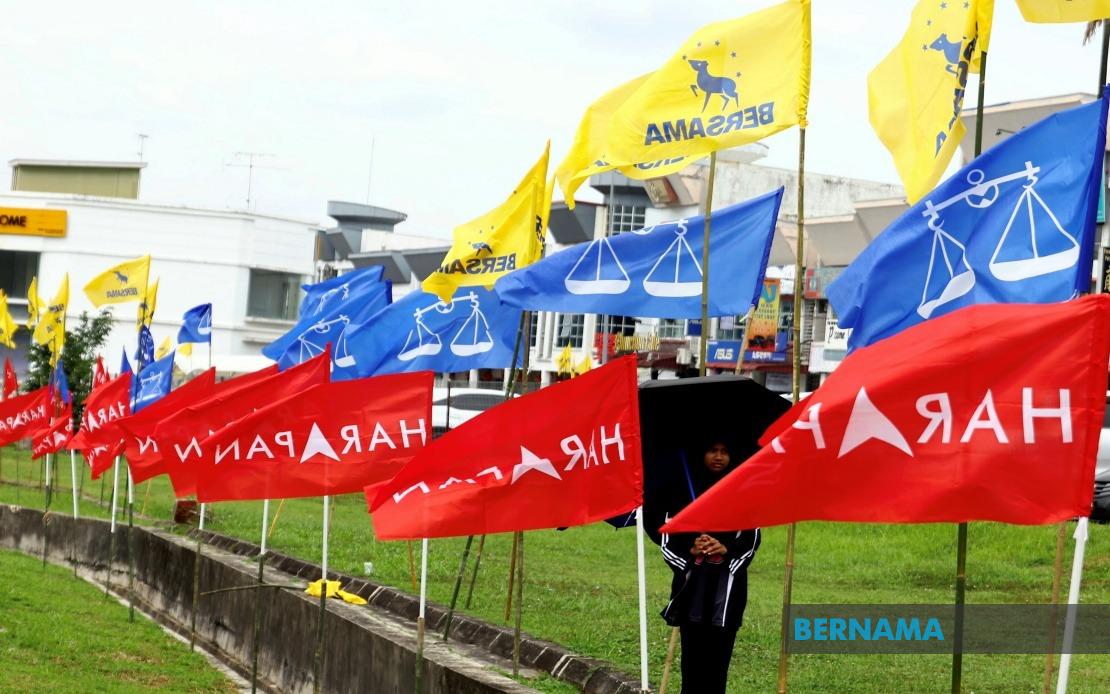
Prime Minister Datuk Seri Anwar Ibrahim has launched a direct appeal to the electorate of Johor, asking them to entrust Pakatan Harapan with the mandate to administer the state ahead of the 16th Johor state election scheduled for Saturday. As chairman of the ruling coalition, Anwar has positioned the upcoming poll as a critical moment for the southern state, framing PH's potential victory as essential to advancing Johor's development agenda and ensuring that the benefits of progress reach ordinary residents.
Anwar's appeal underscores PH's emphasis on accountability and service delivery, core themes the coalition has sought to emphasise during its tenure at both federal and state levels. In his public messaging, the Prime Minister committed the coalition to working diligently to protect Johor's interests should voters grant PH another term. This framing suggests that PH intends to position itself not merely as a political alternative, but as a steward of the state's long-term welfare and economic advancement.
A particular focus of Anwar's campaign messaging has been directed at Johor-born citizens currently residing outside the state. The Prime Minister explicitly encouraged these voters to return home to fulfil what he characterised as their civic responsibility, reflecting recognition that diaspora participation could prove decisive in a closely contested election. This strategy indicates that PH strategists believe the floating voter population, including those with roots in Johor but now based in other Malaysian states or abroad, may hold sufficient numerical strength to influence the outcome.
In a particularly creative outreach effort, Anwar employed traditional Malay poetic forms to connect emotionally with voters. Using a pantun stanza, the Prime Minister crafted a message that blended cultural resonance with political messaging, appealing to nostalgia and civic pride. The verse referenced Johor's distinctive culinary heritage and legacy, before transitioning to an appeal for voters to return home carrying hope for the state's continued prosperity and development. This cultural approach demonstrates an attempt to transcend conventional political messaging and establish a broader emotional connection with the electorate.
The 16th Johor state election represents a significant contest within Malaysia's broader political landscape. With 172 candidates competing across 56 state legislative seats, the election will determine the composition of the Johor state assembly and the state government for the coming term. The size and complexity of the race underscore why major political coalitions have invested substantial resources in the campaign, treating Johor as a bellwether for voter sentiment across the nation.
For Pakatan Harapan, the Johor election holds particular strategic weight. The state has historically been a competitive battleground, with control shifting between different political coalitions in recent electoral cycles. A strong performance in Johor would provide PH with momentum heading into future electoral contests and validate the coalition's claim to represent a viable governing alternative. Conversely, a disappointing result could raise questions about PH's broader electoral viability and internal cohesion.
Anwar's messaging also reflects broader challenges facing Malaysian political coalitions in mobilising voter enthusiasm and turnout. By specifically targeting Johor-born voters living elsewhere, PH acknowledges that voter participation rates—particularly among younger and more geographically mobile segments of the population—represent a critical variable. The appeal to diaspora voters suggests campaign strategists believe turnout could be decisive, and that encouraging citizens to prioritise participation may yield electoral dividends.
The timing of Anwar's appeals, coming only days before the election, reflects the intensity of final-stage campaigning. With the contest approaching rapidly, major political leaders typically escalate their public appeals and messaging frequency, seeking to crystallise voter preference and mobilise supporters to actually cast ballots on polling day. Anwar's use of multiple platforms—social media posts and traditional cultural forms—indicates an attempt to reach voters across different demographic and generational segments.
The coalition's emphasis on progress and development, recurrent themes in Anwar's messaging, speaks to a broader assumption about voter priorities. PH appears to be betting that Johor residents are primarily motivated by concrete improvements in living standards, infrastructure, and economic opportunity. This approach contrasts with messaging focused on ethnic or religious concerns, suggesting the coalition believes voters in Johor are responsive to bread-and-butter governance issues.
The election also carries implications beyond Johor's borders. As one of Malaysia's most populous states and a significant economic centre, the state's political direction influences national political dynamics. A decisive PH victory could strengthen the federal government's political position, while a loss or narrow outcome might embolden opposition coalitions and create internal pressures within the ruling government. For observers across Southeast Asia, the Johor result will provide important signals about democratic trends in Malaysia's political system and voter preferences regarding coalition governance.

