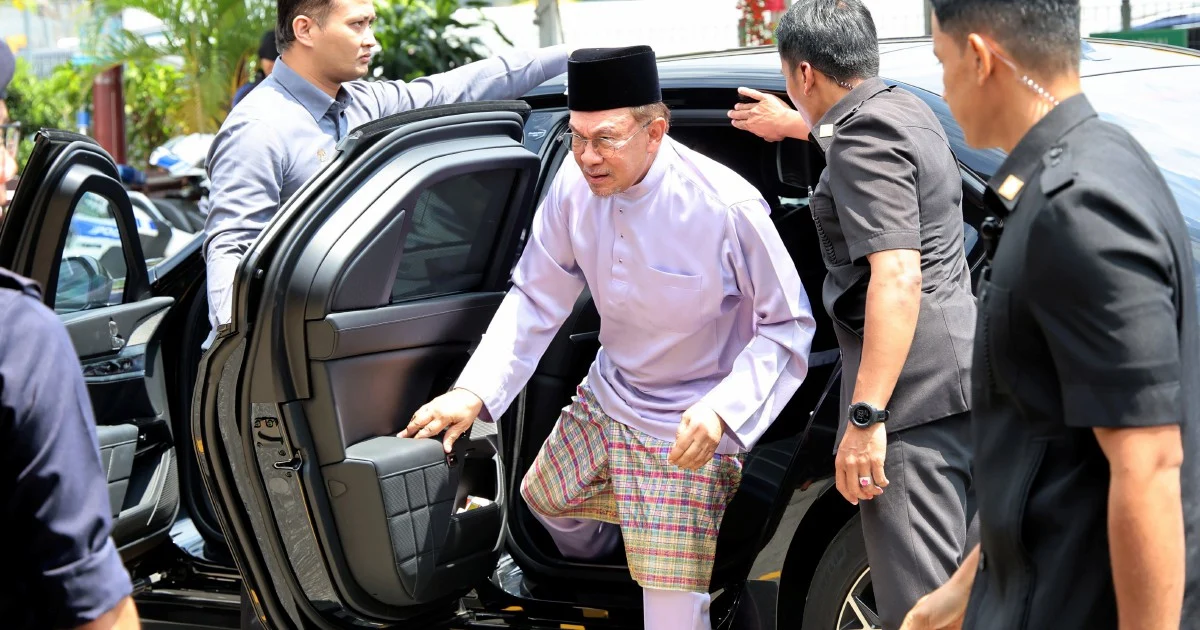
Prime Minister Datuk Seri Anwar Ibrahim has delivered a forthright message to all political parties preparing for the Johor state election, urging them to conduct their campaigns with integrity and restraint. Speaking at an event in Dengkil, Anwar emphasised that contesting parties must maintain respect in their interactions with voters and rivals alike, steering clear of the arrogance that has occasionally marred electoral contests in Malaysia.
The Prime Minister's remarks arrive at a critical juncture as Johor prepares for state-level elections that will test the resolve of multiple political coalitions. Johor, as one of Malaysia's most significant states economically and politically, has historically served as a bellwether for broader national sentiment. The upcoming contest will be closely watched by observers seeking to gauge public confidence in the government's performance and the viability of opposition alternatives.
Anwar's appeal reflects a broader concern about maintaining democratic standards during election cycles. In recent years, Malaysian electoral contests have occasionally witnessed heated rhetoric, personal attacks, and conduct that observers argue has degraded public discourse. By calling for respectful engagement, the Prime Minister appears intent on establishing a tone that privileges substantive policy discussion over inflammatory messaging or personal denigration of opponents.
The emphasis on good values speaks to deeper concerns about preserving institutional integrity and public trust in the electoral process itself. When campaigns descend into personal attacks or showcase displays of arrogance, voter disengagement often follows, ultimately weakening democratic participation. Anwar's message thus carries implications beyond mere etiquette, touching on the health of Malaysia's democratic institutions at a time when global concerns about polarisation and institutional erosion have intensified.
Johor represents particularly sensitive political terrain given the state's historical dominance by Barisan Nasional and the fractured nature of opposition politics. The state election will involve complex calculations involving federal and state-level concerns, with multiple coalitions vying for influence. Parties contesting must navigate these dynamics while maintaining the kind of restraint Anwar has championed, a task that demands considerable political discipline.
For the government coalition, such appeals to electoral rectitude serve both principled and strategic purposes. Demonstrating commitment to fair play and respectful discourse can enhance the ruling coalition's legitimacy while potentially attracting voters fatigued by hostile political environments. Opposition parties, meanwhile, face incentives to match this tone, lest they appear to be responsible for any degradation of campaign standards.
The reminder about avoiding arrogance particularly resonates given Malaysia's political history, where incumbent advantage has sometimes been expressed through displays of power that voters find off-putting. Anwar's own trajectory—having experienced political setbacks and imprisonment before his return to power—arguably gives weight to his counsel about humility in electoral politics. Parties that project excessive confidence or seem to take voter support for granted often suffer unexpected reversals.
For Malaysian voters, Anwar's message suggests the government intends to hold all parties accountable to standards of respectful conduct throughout the campaign period. This sets expectations for media coverage, social media engagement, and public speeches, areas where Malaysian electoral contests have occasionally witnessed concerning trends. Media organisations and civil society watchdogs will likely reference the Prime Minister's remarks when assessing campaign conduct.
The Johor election unfolds against the backdrop of Malaysia's broader political realignment following the 2022 general election that brought Anwar's unity government to power. That election itself was characterised by significant shifts in voter preference and coalition fortunes, partly attributed to public fatigue with negative campaigning. If Johor voters respond positively to a more respectful campaign environment, it could establish a precedent influencing future elections.
For Southeast Asian observers, Malaysia's approach to electoral conduct carries regional significance. As one of the region's more established democracies, Malaysia's standards and practices influence perceptions about democratic health across Southeast Asia. Anwar's emphasis on respectful contest thus extends beyond domestic concerns to broader questions about how mature democracies manage competitive electoral cycles while preserving institutional legitimacy.
Implementing such standards requires vigilance from multiple quarters beyond the Prime Minister's exhortations. Election authorities, party leadership, media organisations, and civil society must all reinforce norms of respectful engagement. Sporadic appeals from political leaders, while valuable, achieve limited impact without broader institutional support and consistent enforcement of accountability standards for violations.
The coming Johor campaign will test whether Malaysian political parties can translate Anwar's call for respectful conduct into actual practice. The state's voters, having witnessed various electoral contests over decades, will likely assess whether parties genuinely embrace the Prime Minister's counsel or resort to familiar patterns of attack and arrogance. The results could significantly shape perceptions about whether Malaysian politics is genuinely evolving toward higher standards of civic engagement.

