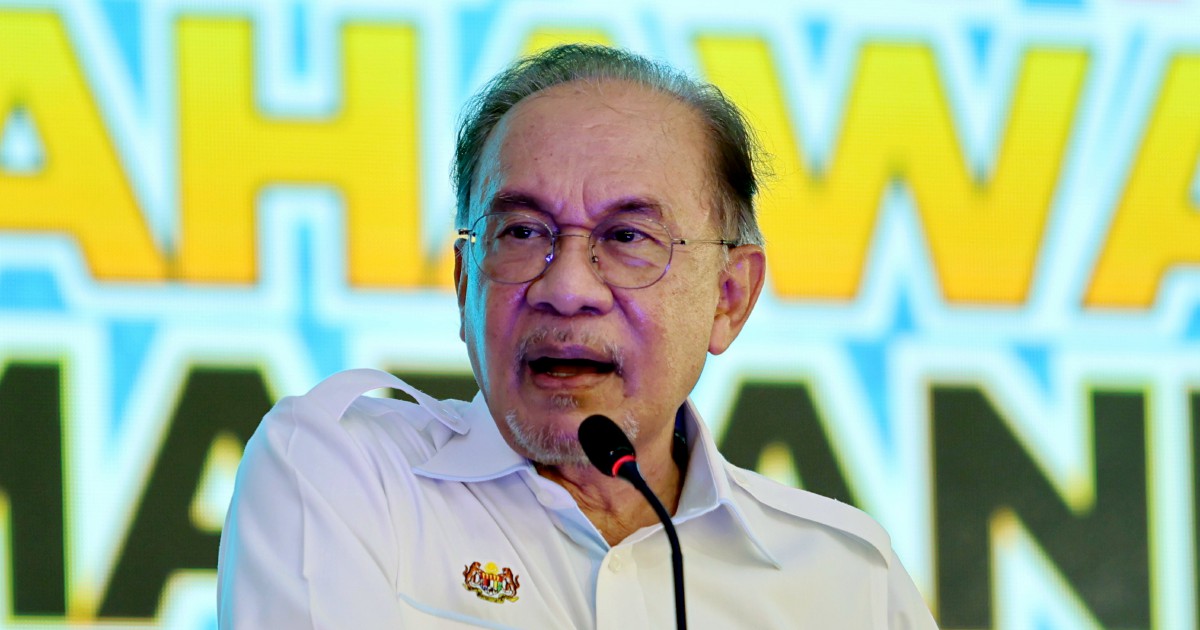
Prime Minister Datuk Seri Anwar Ibrahim and other Pakatan Harapan leaders are making a strategic last-minute appeal to Negri Sembilan voters through TikTok, recognising the social media platform's unparalleled influence over the electorate in the final hours before the state election campaign officially concludes at 11.59pm tonight.
The shift toward TikTok underscores a significant evolution in Malaysia's electoral campaigns, where digital platforms have become as important as traditional ground operations. Rather than relying solely on rallies or printed materials, the coalition has embraced the short-form video format that dominates the media consumption habits of younger demographics—a crucial voting bloc that often determines the outcome of close contests in Malaysian state elections.
Anwar's decision to address voters through TikTok reflects broader recognition within the government that digital natives now represent a material portion of the voting population. The platform's algorithm-driven nature means that well-crafted content can achieve exponential reach without the constraints of traditional media gatekeeping. This accessibility is particularly valuable during the final campaign window, when every voter contact becomes strategically vital.
For Pakatan Harapan, the Negri Sembilan election represents an important test of coalition strength and the government's ability to maintain its electoral mandate. The coalition's reliance on social media messaging suggests confidence in its digital infrastructure and content creation capabilities, yet it also indicates awareness that conventional campaign methods may be reaching saturation point in a state where multiple parties are competing intensely for support.
The timing of this social media blitz is noteworthy. Rather than waiting until the final hours, the coalition has sequenced its TikTok content strategically to build momentum heading into the blackout period. This approach reveals sophisticated campaign management that understands voter behaviour patterns and platform dynamics. Content posted hours before the deadline still circulates through shares and reposts, extending the campaign's effective reach beyond the official campaign period.
Younger voters in Negri Sembilan, like their counterparts across Malaysia, increasingly rely on social media rather than traditional news sources for political information. By delivering their message through TikTok, Anwar and other Pakatan Harapan leaders are essentially meeting voters where they already spend their time. This direct-to-voter strategy bypasses potential editorial filters and allows the coalition to control its messaging entirely.
The effectiveness of this approach depends heavily on content quality and authenticity. Voters—particularly younger ones—quickly identify and dismiss campaign material that feels inauthentic or overly polished. Successful TikTok political messaging typically combines genuine appeals with humour or relatable elements rather than formal speeches. The coalition's choice to use the platform suggests they understand this distinction and have tailored content accordingly.
Opposition parties in Negri Sembilan have likely employed similar strategies, creating a digital campaign environment where multiple messages compete for the same audience's attention. This fragmentation of the political message across numerous platforms and content creators reflects the modern Malaysian electoral landscape, where no single narrative dominates media consumption. Voters are increasingly exposed to competing claims and must evaluate information more actively than in previous electoral cycles.
The regulatory framework governing Malaysian election campaigns has evolved to accommodate digital platforms, though enforcement remains uneven. The Election Commission's deadline of 11.59pm tonight applies equally to all formats—traditional or digital—ensuring theoretically level playing field. However, the mechanics of social media mean content posted before the deadline continues generating engagement afterward, creating practical questions about how campaign rules adapt to platform dynamics.
For Southeast Asia more broadly, Malaysia's embrace of social media campaigning reflects regional trends. Across the region, political parties increasingly recognise that digital platforms offer cost-effective alternatives to expensive television advertising and large-scale rallies. In countries where internet penetration is high and platform usage spans demographic groups, social media has become a standard campaign component rather than a supplementary tool.
The TikTok strategy also signals Pakatan Harapan's confidence in its digital capabilities relative to competing coalitions. Success on platforms requiring rapid content creation, authentic engagement, and cultural awareness suggests an organisation comfortable with modern campaign techniques. This contrasts with parties perceived as relying primarily on traditional methods, which may struggle to maintain relevance with younger voters who increasingly view conventional political communication as outdated.
As Negri Sembilan voters head to the polls, the legacy of this campaign period will partly be determined by how effectively digital messaging translated into actual electoral support. The TikTok strategy represents not just tactical maneuvering but a fundamental shift in how Malaysian political leaders connect with their constituents, particularly those coming of age in an environment where digital platforms are the primary mediating layer between politicians and public.

