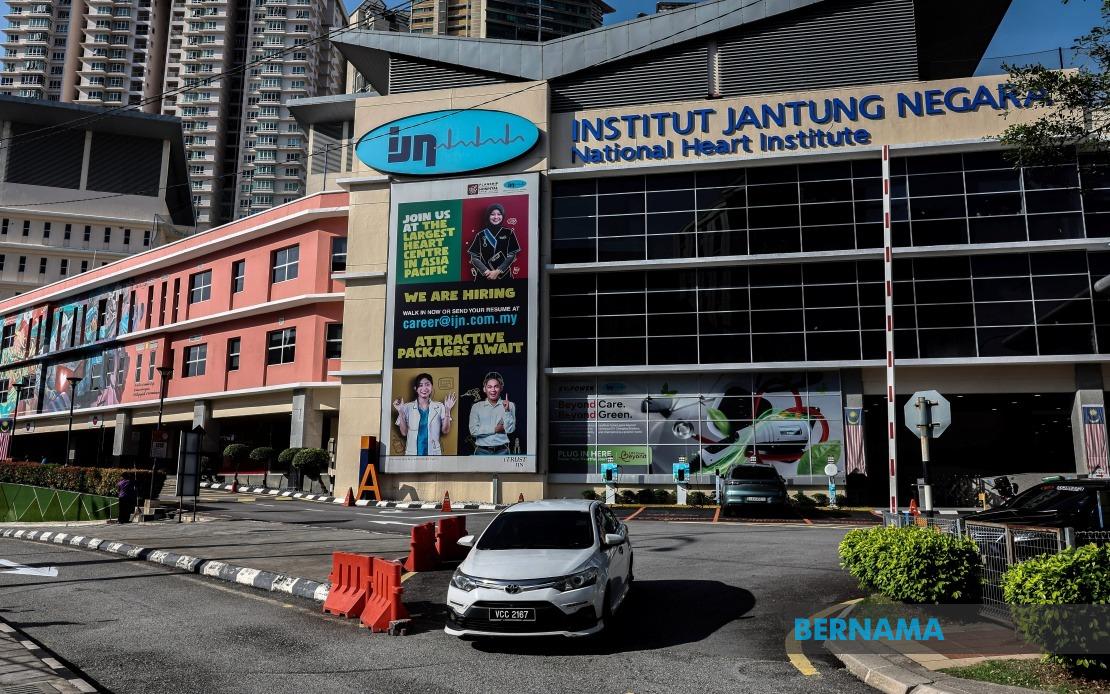
Prime Minister Datuk Seri Anwar Ibrahim and his wife Datuk Seri Dr Wan Azizah Wan Ismail made separate visits to the National Heart Institute (IJN) to check on two senior government figures undergoing treatment. The visits underscored the interconnected nature of Malaysia's political leadership, with the sitting Prime Minister personally ensuring continuity of care and political solidarity during a period when two key figures were absent from their regular duties.
Deputy Prime Minister Datuk Seri Fadillah Yusof, who holds significant responsibilities in the current administration, showed encouraging signs of recovery according to Anwar's statement released through social media. The Prime Minister noted that Fadillah's condition had demonstrated marked improvement since their meeting, though medical professionals advised continued rest to ensure full recuperation. This careful assessment reflected both optimism about his colleague's prognosis and acknowledgment of the cautious approach medical teams typically adopt with cardiac cases.
Former Prime Minister Datuk Seri Ismail Sabri Yaakob, who previously led the country before the current administration took office, was also receiving care at the same facility. The decision by Anwar to visit both patients simultaneously sent a symbolic message of national unity that transcended the political transitions Malaysia has experienced in recent years. Despite the shift in government leadership, gestures of personal concern for former officials demonstrate the continuity of institutional respect within the highest echelons of Malaysian politics.
The National Heart Institute remains one of Southeast Asia's premier cardiac care facilities, handling complex cases requiring specialized intervention and ongoing monitoring. Its reputation draws patients from across the region seeking advanced treatment options. For both political figures to be treated at this institution reflected both the severity of their conditions and the preference of high-level officials for the nation's most advanced medical infrastructure.
Anwar's public acknowledgment of the visits carried particular weight in the current political climate, where Malaysia continues navigating coalition governance and the delicate balance required to maintain a stable administration. By publicly confirming that both patients were receiving appropriate care and showing positive trajectories, the Prime Minister provided reassurance to the broader political establishment and the general public about the health status of these prominent leaders. Such transparency helps prevent speculation and maintains confidence in government continuity.
The involvement of Wan Azizah in these visits underscored the importance placed on this gesture of goodwill. As a prominent political figure in her own right, her participation elevated the significance of the courtesy calls beyond routine administrative courtesy. Her presence acknowledged both the personal and political dimensions of the occasion, demonstrating that these matters transcended typical protocol and reflected genuine concern from the highest levels of government.
For Malaysia's political observers, the timing and nature of these visits offered insight into the current state of inter-party relations and personal relationships among the nation's leadership. The visits suggested sufficient political stability and mutual respect that former political rivals could be acknowledged with dignity during periods of personal health crisis. This contrasts with periods in Malaysian politics when such courtesy might have been withheld or approached with greater reserve.
The recovery timelines for both officials carried implications for government operations and parliamentary effectiveness. Fadillah's role as Deputy Prime Minister meant his extended absence could affect the distribution of executive responsibilities, potentially requiring temporary reallocation of duties among cabinet members. Similarly, Ismail Sabri's status as a former Premier and current opposition figure meant his health and return to parliamentary activities held significance for the broader political balance.
The cardiac cases affecting both figures also highlighted health concerns affecting Malaysia's senior political class, many of whom carry substantial stress loads from their official responsibilities. The simultaneous treatment of two prominent politicians at IJN drew attention to cardiovascular health as an emerging concern among the nation's leadership. Public health authorities and medical professionals have increasingly noted that high-stress governmental positions may contribute to health complications among senior officials.
Anwar's statement invoking Islamic phrases reflected the religious and cultural dimensions of political discourse in Malaysia, where prayers for recovery and divine blessings form a natural part of public communication. The reference to spiritual dimensions alongside medical treatment acknowledged the holistic approach many Malaysians adopt toward health and recovery, blending contemporary medical care with traditional beliefs about providence and healing.
The visits also demonstrated Malaysia's functional healthcare infrastructure capable of treating complex cardiac conditions in senior citizens. Both patients' ability to access sophisticated medical facilities and ongoing monitoring exemplified the quality of healthcare available to the nation's leadership. This accessibility to advanced care represented one dimension of the privileges accompanying high political office, though it also reflected broader investments in healthcare facilities that serve the general population.
Looking forward, both officials' recoveries would influence Malaysia's political landscape in distinct ways. Fadillah's return would restore full executive capacity to government operations, while Ismail Sabri's recovery would affect opposition positioning in parliament. The public assurances about their improving health conditions helped stabilize political expectations and reduce uncertainty about their continued participation in national governance. The entire episode demonstrated how personal health matters intersect with public governance and political stability in Malaysia's ongoing democratic framework.

