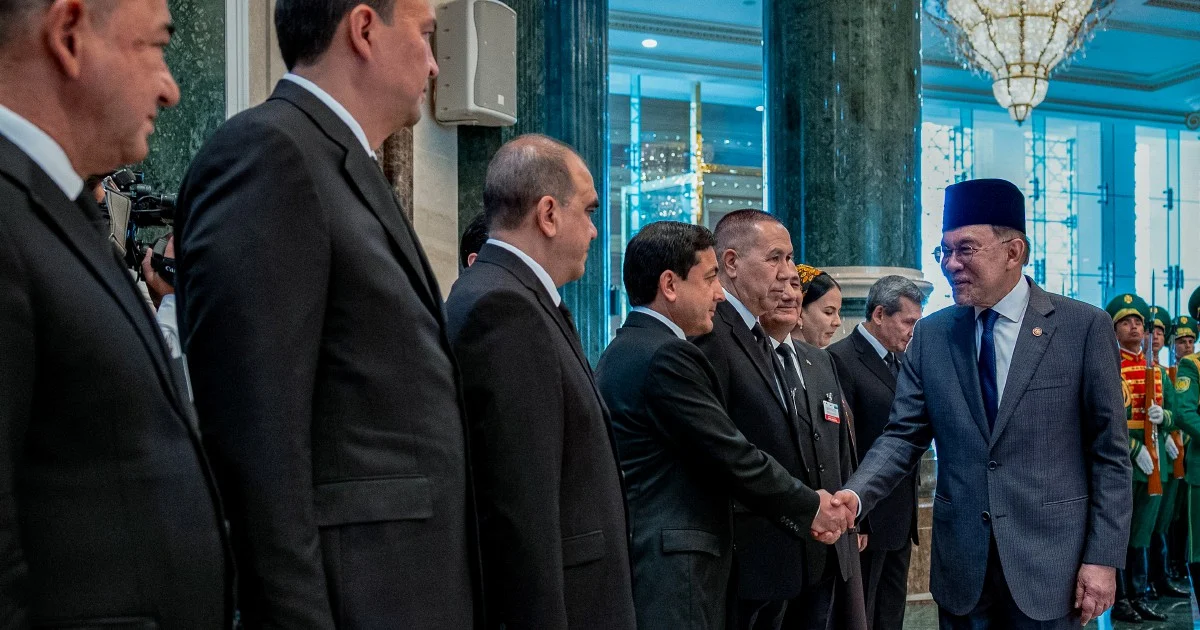
Prime Minister Datuk Seri Anwar Ibrahim's expansive engagement with the international community represents a deliberate strategy to fortify Malaysia's standing in an increasingly unpredictable global order. Academic observers suggest his diplomatic initiatives create pathways for deeper economic integration across key trading partners, while simultaneously establishing the groundwork for longer-term strategic investments that could insulate the Malaysian economy from external shocks.
The timing of these diplomatic overtures reflects a broader recognition among policymakers that Malaysia's prosperity depends on maintaining robust relationships with multiple economic blocs. Rather than adopting an inward-looking posture, the Prime Minister's approach emphasizes Malaysia's role as a reliable, strategically positioned partner in Southeast Asia—a messaging that resonates particularly with potential investors seeking stable jurisdictions with clear governance commitments.
Through sustained engagement across diplomatic channels, Malaysia has positioned itself to negotiate more favorable trade arrangements with both traditional and emerging economic partners. This multifaceted approach contrasts with earlier periods when Malaysia's international profile fluctuated according to domestic political circumstances, suggesting a more institutionalized commitment to consistent foreign relations that investors value.
The geopolitical landscape reshaping itself around renewed great power competition creates both challenges and opportunities for mid-sized economies like Malaysia. Anwar's diplomatic calendar reflects an understanding that nations unable to articulate a coherent international presence risk being sidelined in high-stakes negotiations over supply chain arrangements, technology partnerships, and infrastructure investments that will define the next decade of regional development.
Investors increasingly factor political stability and diplomatic credibility into long-term commitment decisions. When Malaysia demonstrates consistent, principled engagement across multiple forums—whether multilateral institutions, bilateral discussions, or regional platforms—it signals to corporate decision-makers that policy frameworks are likely to remain predictable and that the business environment will not be destabilized by sudden diplomatic ruptures or erratic shifts in international alignments.
For Malaysia specifically, strengthening economic ties through diplomatic channels carries particular significance given the nation's dependence on regional trade flows and cross-border investment. Neighboring economies and major trading partners are more inclined to deepen commercial relationships with administrations that demonstrate political maturity and sustained commitment to agreements—qualities that Anwar's diplomatic activity communicates to counterparts across the region.
The academic perspective emphasizing these connections reflects a broader consensus that Malaysia's future prosperity depends substantially on external economic dynamics. A PM who commands respect in international forums—whether through multilateral organizations, bilateral summits, or regional cooperation mechanisms—effectively becomes a broker of opportunities that flow back to Malaysian businesses, workers, and communities.
Moreover, Anwar's diplomatic efforts address a vulnerability that smaller Southeast Asian nations perpetually face: the risk of being marginalized in negotiations between larger powers. By cultivating relationships across multiple geopolitical alignments and refusing to position Malaysia as a satellite of any single bloc, the government preserves strategic autonomy while remaining attractive to partners across the spectrum.
The impact extends beyond headline-grabbing trade deals. Sustained diplomatic engagement builds informal networks—relationships between officials, understanding of regulatory frameworks, and institutional familiarity—that facilitate countless commercial transactions between Malaysian and foreign businesses. These soft networks often prove more valuable than formal agreements in smoothing the path for genuine economic cooperation.
For Malaysian exporters, manufacturers, and service providers, diplomatic strength translates directly into market access and competitive advantages. When their government maintains credible relationships with trading partners and speaks with a consistent voice internationally, Malaysian businesses operate within a more favorable global environment, able to negotiate better terms and access new markets more readily.
The current global environment—marked by fragmented supply chains, resource competition, and ideological divisions—creates urgency around these diplomatic investments. Nations that fail to maintain robust international engagement risk finding themselves excluded from emerging economic arrangements, technology partnerships, and infrastructure projects reshaping regional economics. Anwar's proactive stance acknowledges this reality.
Looking forward, the success of Malaysia's diplomatic positioning will depend on translating international goodwill into concrete economic outcomes—new investments, expanded trade volumes, and technology transfers that demonstrably improve living standards across the country. The foundation for such outcomes, however, begins with the consistent diplomatic engagement and credible international presence that characterize the Prime Minister's current approach.

