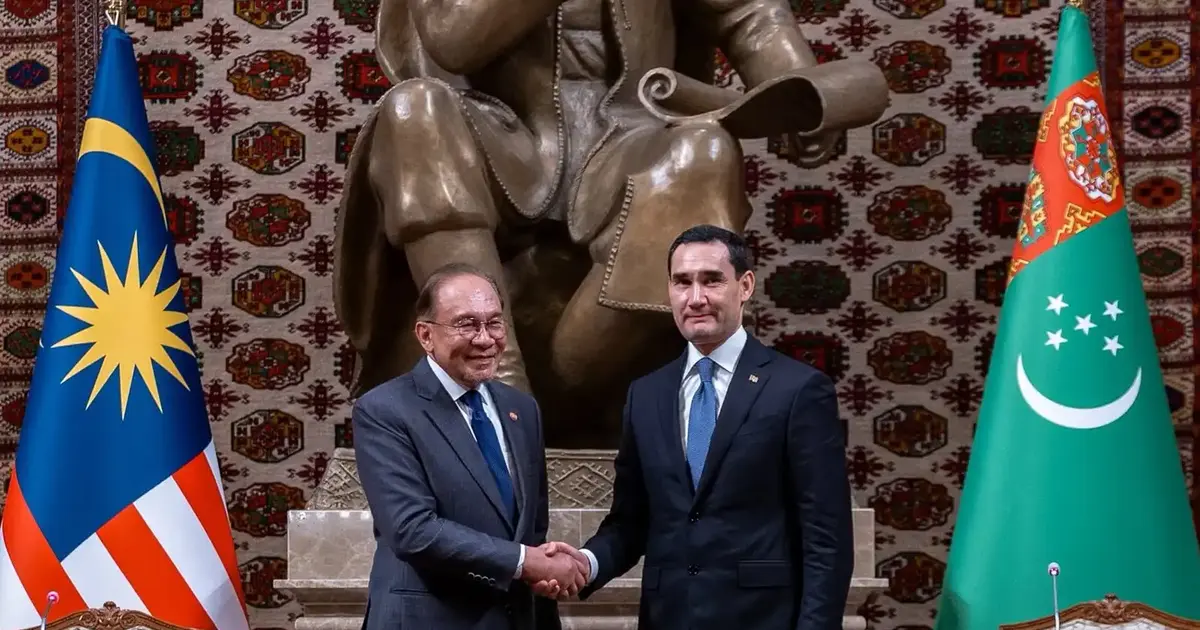
Prime Minister Anwar Ibrahim's sustained engagement with major energy producers across three continents has culminated in a series of strategic agreements that analysts say substantially broaden Malaysia's energy supply options and reduce dependence on any single source or region. The emerging framework, encompassing arrangements with Russia, Turkmenistan and Japan, represents a deliberate recalibration of the country's energy procurement approach at a time of heightened global volatility and shifting geopolitical alignments in Asia.
Energy security has become increasingly central to Malaysia's long-term development strategy, particularly given the nation's manufacturing base, growing population, and the broader imperative to support industrialisation across Southeast Asia. The diversification strategy pursued through these diplomatic channels addresses a fundamental vulnerability: over-reliance on traditional suppliers concentrated in the Middle East and immediate regional sources. By anchoring supply relationships in different geographic spheres, Malaysia reduces exposure to regional disruptions, whether political, environmental, or commercial in nature.
The arrangements with Russia and Turkmenistan specifically target access to hydrocarbon reserves and establish pathways for long-term supply contracts, a significant shift given Malaysia's historical trade patterns in energy commodities. These Central Asian and Eurasian connections provide Malaysia with alternative sourcing beyond conventional corridors, while potentially offering more favourable contract terms through competitive positioning. The timing of these agreements reflects broader recalibration in global energy markets following recent disruptions to traditional supply chains and increased competition among consuming nations for access to proven reserves.
Turkmenistan's role is particularly noteworthy, as the country sits atop substantial natural gas reserves and has positioned itself as a critical transit point for energy flows into Asia. Establishing direct supply relationships with Ashgabat provides Malaysia with options to secure gas volumes that might otherwise be absorbed by larger regional consumers or tied up in long-term Chinese or Indian contracts. This bilateral engagement strengthens Malaysia's negotiating position in broader regional energy forums and demonstrates commitment to building relationships with energy-rich nations often overlooked in mainstream Southeast Asian diplomatic circles.
The Japanese dimension of these agreements addresses the liquefied natural gas (LNG) market specifically, where Malaysia has historically maintained active participation both as a producer and buyer. Securing guaranteed market access through Japan—a major industrialised economy with stable demand for energy imports—provides Malaysian LNG producers with predictable revenue streams and reduces exposure to spot market volatility. Japan's status as a technological innovator in LNG infrastructure and trading mechanisms also opens avenues for Malaysian involvement in emerging market structures and efficiency improvements.
Analysts emphasise that these arrangements collectively strengthen Malaysia's negotiating leverage within regional energy organisations and international forums. A diversified supply base grants the government flexibility in managing domestic pricing, industrial allocation, and strategic reserves without undue pressure from any dominant supplier. This is particularly relevant as Malaysia seeks to balance energy-intensive industries with commitments to carbon reduction and sustainable development objectives increasingly demanded by both regional partners and global investors.
The strategic architecture also reflects deeper considerations about regional stability in Southeast Asia. Energy security underpins both economic development and political stability; supply disruptions can trigger economic contraction and social tension. By establishing multiple sourcing relationships and backup arrangements, Malaysia reduces systemic risk not only for itself but contributes to broader regional resilience. A more stable Malaysian energy situation benefits neighbouring countries that may depend on Malaysian infrastructure or face similar pressures in energy procurement.
Moreover, these agreements signal Malaysia's intention to position itself as a sophisticated energy trader and manager rather than a passive consumer. The framework enables potential transshipment opportunities, regional sales coordination, and involvement in emerging energy technologies that could generate additional revenue beyond basic commodity extraction and consumption. This transformation from a simple producer-consumer relationship to a more active market participant aligns with broader aspirations to create added-value services across the energy sector.
The diplomatic approach also carries implications for Malaysia's foreign policy orientation more broadly. By establishing substantive energy partnerships across Russia, Central Asia, and East Asia simultaneously, Malaysia demonstrates capacity for strategic autonomy and multi-directional engagement independent of traditional alliance structures. This reinforces the country's positioning as a non-aligned player willing to engage pragmatically with diverse partners based on national interests rather than bloc loyalties.
Implementation of these agreements will require sustained coordination between government agencies, state-owned enterprises, and private sector participants across multiple years. Regulatory frameworks may require adjustment to accommodate new sourcing patterns, and workforce development initiatives may be necessary to support emerging operational requirements. The success of Anwar's energy diplomacy will ultimately be measured through stable, affordable energy supply reaching Malaysian consumers and industries whilst generating government revenue and supporting broader development objectives.
Moving forward, analysts suggest these initial agreements may constitute the foundation for an expanding network of energy partnerships extending potentially into Africa, the Middle East, and other resource-rich regions. The framework established through current engagements provides templates for future negotiations and demonstrates political commitment to treating energy security as a cornerstone of Malaysia's strategic planning across the coming decade.

