Prime Minister Datuk Seri Anwar Ibrahim's strategic missions to Kazan and Ashgabat have resulted in multiple energy security arrangements designed to strengthen Malaysia's resource position and financial capacity for long-term development. These outcomes, spanning crude oil procurement, liquefied natural gas supplies, and hydrocarbon exploration rights, represent a significant realignment of Malaysia's energy partnerships in an increasingly competitive global market. Government officials have signalled that the agreements will have immediate domestic implications, including downward pressure on fuel prices and increased revenue streams for infrastructure investment.
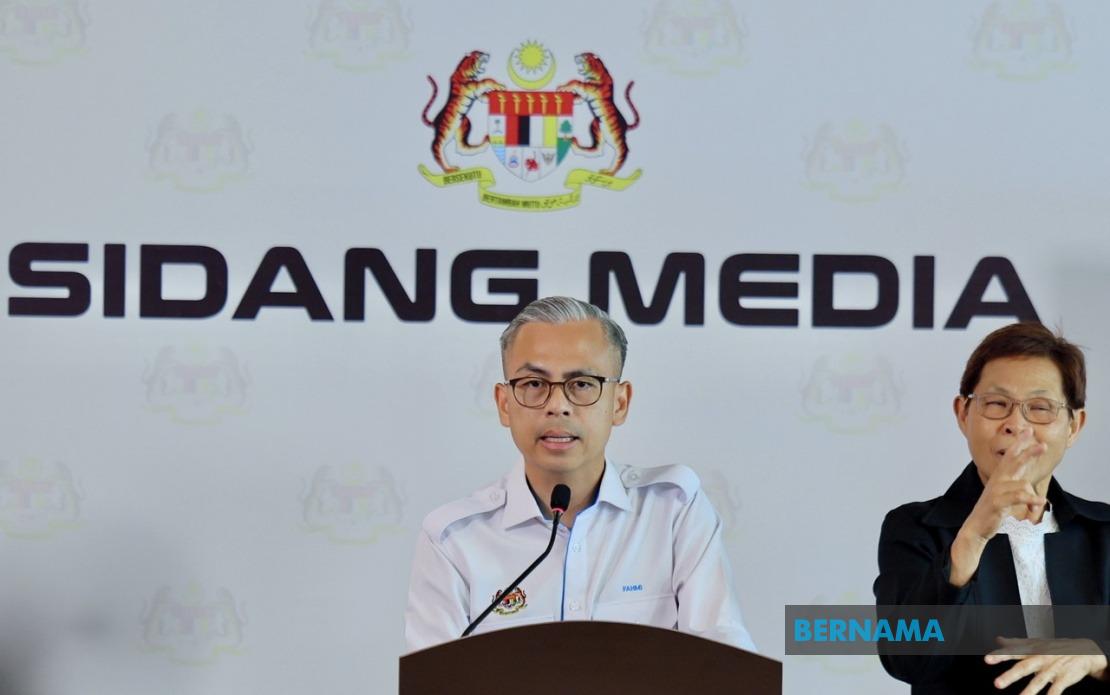
The Kazan visit, undertaken to participate in the 35th ASEAN-Russia Commemorative Summit, centred on energy cooperation between Kuala Lumpur and Moscow. According to a statement by government spokesperson Datuk Fahmi Fadzil, Russia has committed to supplying crude oil, gas, and diesel to Malaysia through a long-term contractual framework. This arrangement addresses a longstanding Malaysian concern: ensuring stable energy supplies amid volatile global markets and geopolitical tensions. The timing proves particularly significant given Malaysia's reliance on imported energy to meet domestic demand, with the country's domestic oil and gas reserves gradually depleting over successive decades.
The crude oil and gas component of the Russia agreement represents a strategic hedge against future supply disruptions. Malaysia's own production from the Peninsular Malaysian region and the deeper-water fields offshore Sabah and Sarawak has been declining, prompting the government to explore long-term import contracts. A Russian partnership offers diversification beyond traditional Middle Eastern suppliers and mitigates exposure to price volatility in the spot market. Communications Minister Fahmi Fadzil explicitly linked these arrangements to Malaysia's ability to reduce diesel prices on June 21, indicating that enhanced supply certainty and import capacity translated into near-immediate consumer benefits.
The delegation accompanying the Prime Minister to Kazan included Investment, Trade and Industry Minister Datuk Seri Johari Abdul Ghani and Economy Minister Akmal Nasrullah Mohd Nasir, underscoring the economic weight the government assigned to the mission. Beyond energy, Malaysia and Russia agreed to deepen collaboration across trade, investment, tourism, and technology sectors. For Malaysian exporters and investors, expanded engagement with Russia—particularly given current Western sanctions—could open market access and partnership opportunities previously constrained by geopolitical factors. The breadth of these agreements suggests the government views Russia not merely as an energy supplier but as a strategic economic partner in Southeast Asia's broader diversification strategy.
Parallel to the Russian initiative, the Prime Minister concluded negotiations in Ashgabat that position PETRONAS to expand its hydrocarbon footprint in Central Asia. The national oil and gas company, operating through its subsidiary Petronas Carigali (Turkmenistan) Sdn Bhd, has secured development rights to two major gas blocks, extending its presence in the region beyond three decades of operations. PETRONAS ranks among the world's largest gas producers, and the Turkmenistan blocks represent valuable additions to its global portfolio, particularly given the Central Asian nation's substantial proven reserves.
The formalisation of a Framework Agreement on Long-Term Cooperation for the Development of Hydrocarbon Resources between Malaysia and Turkmenistan provides institutional scaffolding for expanded collaboration. This instrument opens pathways for PETRONAS to participate in development of the Galkynysh field, one of the world's largest gas discoveries, as well as downstream opportunities in oil refining, gas processing, and petrochemical manufacturing. For Malaysia, such downstream involvement could create manufacturing and export opportunities in value-added energy products, potentially attracting foreign investment in processing facilities on Malaysian soil.
The revenue implications merit careful examination. Dividends and returns flowing from PETRONAS's international operations traditionally supplement Malaysia's government revenue, supplementing tax collections and enabling discretionary spending on infrastructure, education, and social programmes. Fahmi Fadzil emphasised that returns from the Turkmenistan operations would be channelled into national development initiatives. However, global energy transitions and evolving market dynamics introduce uncertainty; long-term gas demand depends on whether importers like China and Europe continue relying on fossil fuels or accelerate renewable energy adoption. Nevertheless, twenty to thirty-year hydrocarbon contracts typically provide revenue visibility across multiple government budget cycles.
The timing of these announcements carries domestic political resonance. The government tied the energy achievements directly to the June 21 diesel price reduction, framing diplomatic success in terms comprehensible to ordinary Malaysians navigating daily transport and living costs. This communication strategy reflects understanding that fuel price volatility affects public sentiment regarding economic management. By demonstrating tangible consumer benefits flowing from diplomatic engagement, the MADANI administration sought to validate its foreign policy orientation and justify resources devoted to international engagement.
These energy agreements also position Malaysia within broader geopolitical recalibrations. As Western countries impose sanctions on Russia and reassess energy dependencies, Malaysia's willingness to deepen energy partnerships with Moscow and expand cooperation in Central Asia signals strategic autonomy. The country navigates between maintaining Western security partnerships and pursuing pragmatic economic engagements with non-aligned nations. Energy security, being fundamental to economic stability, often justifies foreign policy choices that might otherwise draw international criticism.
For Southeast Asian regional dynamics, Malaysia's successful energy diplomacy carries implications. The region collectively relies heavily on imported energy, yet individual countries pursue distinct partnership strategies. Malaysia's Russian and Turkmenistan arrangements complement ongoing relationships with Middle Eastern suppliers and liquefied natural gas exporters like Australia and Qatar. The diversification approach reduces regional competition for limited energy supplies and potentially stabilises Southeast Asian energy markets overall.
The downstream and petrochemical opportunities embedded in the Turkmenistan framework agreement merit strategic attention. Malaysia possesses established petrochemical clusters in Terengganu and Johor, supported by skilled workforces and port infrastructure. Integrating Turkmen gas into these facilities could enhance competitiveness and support manufacturing export growth. Regional competitors like Thailand and Singapore pursue similar strategies, making Malaysia's ability to secure reliable feedstock crucial for maintaining industrial relevance.
Longer-term uncertainties surrounding global energy transitions, however, warrant acknowledgement. Commitments extending two or three decades assume continued robust fossil fuel demand, yet climate imperatives and renewable energy cost declines create headwinds against traditional hydrocarbon consumption. Malaysia's energy policy framework must simultaneously secure fossil fuel supplies for near-term stability while investing in renewable energy capacity and positioning PETRONAS for potential pivot toward cleaner energy solutions. The Turkmenistan agreements provide essential near-term revenue and security but demand complementary strategies addressing medium-term energy transitions.
Ultimately, Prime Minister Anwar's energy diplomacy represents competent management of Malaysia's resource interests at a volatile geopolitical moment. The Russia and Turkmenistan arrangements address immediate energy security concerns, generate government revenue, and signal Malaysia's capacity to navigate international negotiations beneficially. Whether these agreements deliver sustained prosperity depends on subsequent implementation, global energy market evolution, and the government's complementary domestic policies surrounding energy efficiency, renewable capacity, and downstream industrial development.

