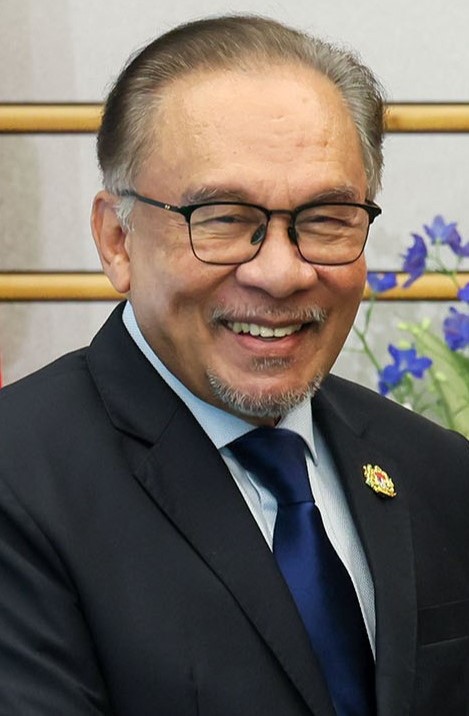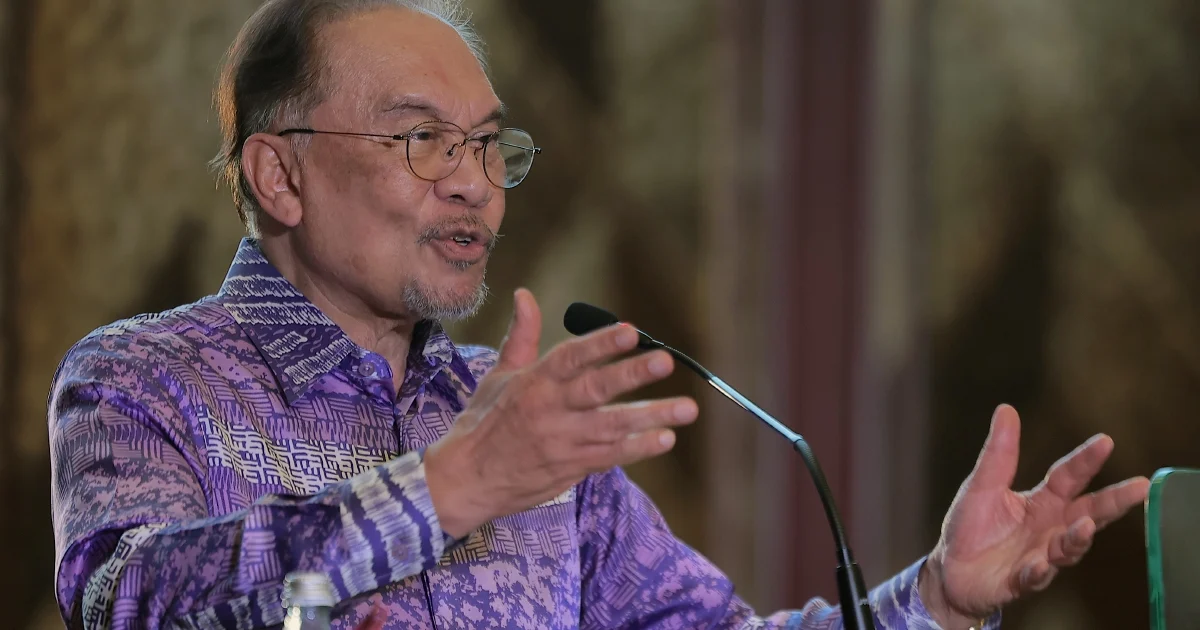
Prime Minister Datuk Seri Anwar Ibrahim will travel to Kazan beginning June 17 for a two-day working visit designed to elevate Malaysia's diplomatic engagement with Russia and position Southeast Asia more prominently in Moscow's regional strategy. During the trip, he will hold substantive discussions with Rais of the Republic of Tatarstan Rustam Minnikhanov, signalling Malaysia's commitment to building deeper connections with key Russian political figures and regional actors beyond the federal capital.
The timing of this visit carries strategic significance for Malaysia's broader foreign policy objectives. As one of Asean's most influential and diplomatically active members, Malaysia has consistently pursued a balanced approach to great power relations, avoiding excessive alignment while maintaining practical engagement across major geopolitical blocs. The Kazan engagement reflects this philosophy, demonstrating Kuala Lumpur's willingness to strengthen ties with Russia at a moment when Western-Russia relations remain strained and Moscow is actively cultivating partnerships in Asia and the Global South.
Tatarstan itself represents an important focus for bilateral cooperation. As one of Russia's most economically developed and cosmopolitan federal subjects, with a population exceeding four million and significant oil, petrochemical, and technology sectors, the region offers substantial commercial and investment opportunities for Malaysian companies. Kazan has been actively promoting international partnerships and serves as a hub for cultural and economic exchange within the Volga region, making it an attractive destination for Malaysian business interests seeking to diversify markets beyond traditional Western and Asian partners.
From an Asean perspective, Anwar's visit underscores the regional bloc's efforts to maintain Russia as a valued dialogue partner despite geopolitical tensions elsewhere. Asean's commitment to an inclusive regional architecture and its principle of non-alignment have positioned the bloc as a bridge between competing powers. Malaysia, as a significant Asean voice, can leverage this visit to advocate for Russian engagement with Asean mechanisms, potentially encouraging Moscow to deepen participation in forums like the East Asia Summit and Asean Regional Forum where regional security and prosperity are discussed.
The diplomatic mission also occurs within the context of Malaysia's recent rotation of diplomatic priorities. The country has sought to enhance its profile in multilateral organisations and regional bodies, while simultaneously pursuing bilateral relationships that offer tangible benefits in trade, investment, and cultural exchange. Russia, with its vast natural resources, technological capabilities in certain sectors, and influence in international affairs, represents a natural partner for Malaysian strategic interests, particularly as the global economy undergoes significant realignment.
Economic dimensions of the relationship warrant particular attention. Although bilateral trade between Malaysia and Russia has faced headwinds from global geopolitical tensions and Western sanctions on Russia, there remain pockets of opportunity in sectors such as energy cooperation, halal products and services, palm oil trade, and technology transfer. Anwar's engagement with Minnikhanov can facilitate discussions on how Malaysian enterprises might participate in regional development initiatives in Tatarstan and the broader Volga economic region, potentially opening new avenues for Malaysian investment and exports.
Cultural and people-to-people exchanges form another dimension of this visit. Malaysia, with its multicultural society and significant Muslim population, can serve as a bridge to Russia's own diverse communities, particularly the substantial Muslim populations in Tatarstan and other Russian regions. Enhanced cultural diplomacy, educational partnerships, and tourism initiatives could strengthen societal-level connections that underpin durable state relations. The visit may also explore opportunities for collaboration in halal certification, Islamic finance, and other areas where Malaysia possesses recognised expertise and credibility.
For Asean as a collective entity, this Malaysian initiative sends an important signal about the bloc's approach to managing great power competition. Rather than viewing Russia as a pariah state or limiting engagement based on Western preferences, Malaysia's high-level diplomatic visit reflects Asean's pragmatic philosophy of dialogue and inclusion. This approach maintains Russia's stake in regional stability and prosperity, potentially making Moscow more amenable to supporting Asean positions on issues ranging from maritime security to economic development.
The geopolitical context also suggests that Russia views Asean nations, particularly Malaysia, as increasingly important partners. As Western powers escalate economic pressure on Russia, Moscow has necessarily pivoted towards building stronger relationships in Asia, Africa, and Latin America. Malaysia's prominence as a Muslim-majority developed nation, coupled with its economic dynamism and Asean leadership, makes it an attractive partner for Russian diplomatic outreach. Anwar's visit, therefore, likely carries significance beyond bilateral business—it may signal Moscow's broader strategy of deepening engagement with influential Asian players.
Looking forward, the success of this visit will be measured not merely by the cordiality of discussions but by concrete outcomes in trade agreements, investment frameworks, and enhanced institutional linkages between Malaysia and Russia, as well as between Asean and Moscow. Such tangible results would validate Malaysia's engagement strategy and provide a template for other Asean nations considering similar approaches. The visit also demonstrates how regional powers like Malaysia can maintain strategic autonomy while nurturing relationships across different geopolitical blocs, a balancing act increasingly critical in today's multipolar world.