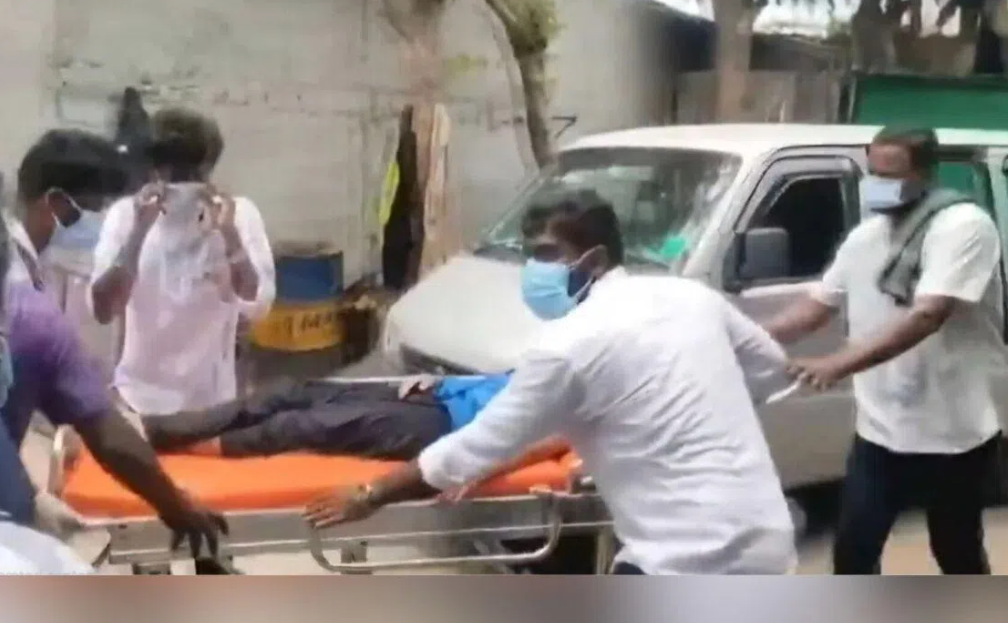
A catastrophic ammonia gas leak at a seafood export processing facility in Thiruvallur district, Tamil Nadu has claimed the lives of at least six workers, with scores of others requiring emergency hospitalization. The incident unfolded on Sunday near the village of Periyapalayam, where approximately 120 migrant labourers, predominantly women from Assam, Odisha and Jharkhand, were at work when the gas began dispersing through the plant.
The escaping ammonia, which originated from the unit's refrigeration or processing system, spread rapidly through the facility, creating a toxic environment that caught workers unprepared for such an emergency. The affected labourers quickly exhibited severe physiological responses, including profound respiratory distress, vertigo and acute sensory irritation across mucous membranes. Medical teams later documented alarming symptoms among the most severely exposed individuals, including haemorrhaging from the mouth and nasal passages—a sign of the gas's potent and damaging effects on human tissue.
Confusion and desperation engulfed the facility as workers endeavoured to escape the contaminated areas. Some managed to move toward exits under their own power, while others, having inhaled lethal concentrations of the gas, collapsed within the plant premises. The chaotic evacuation was accompanied by fear and uncertainty, as the workforce—comprising primarily migrant employees unfamiliar with local emergency protocols—struggled to reach safety.
District emergency response teams, police personnel and local municipal authorities converged on the site to initiate rescue and recovery operations. The injured were transported to nearby medical facilities where they received emergency care, though several remained in serious condition requiring intensive intervention and close monitoring of their respiratory and cardiovascular function.
Tamil Nadu's Chief Minister C. Joseph Vijay responded swiftly to the tragedy, publicly expressing grave concern regarding the incident and issuing directives to health officials to ensure comprehensive medical support for all affected workers. Recognition of the severity of the situation prompted the chief minister to establish an independent three-member investigation committee tasked with examining the circumstances that precipitated the leak and contributed to the loss of life.
The inquiry panel has been instructed to undertake an immediate and thorough inspection of the seafood processing unit, with a mandate to deliver detailed findings within 24 hours. This aggressive timeline reflects the urgency with which authorities are treating the incident and their recognition that swift action may prevent similar occurrences at other industrial facilities across the state.
The investigation will focus particularly on whether the facility maintained adequate safety protocols and proper maintenance schedules for its refrigeration systems—a critical concern given that ammonia is a standard refrigerant in food processing operations throughout India. Inspectors will scrutinize whether the plant conducted regular safety audits, whether workers received appropriate training on hazard response, and whether emergency ventilation systems were functional and properly monitored.
The regulatory examination will also assess potential violations of national industrial safety standards and occupational health codes. Indian factories employing hazardous chemicals are required under law to maintain strict compliance with safety regulations, conduct regular equipment inspections and ensure workers receive training on recognizing and responding to chemical emergencies. Early indications suggest such safeguards may have been inadequate or absent at this facility.
Police authorities have initiated a formal criminal investigation and registered a case related to the incident. Preliminary inquiries are examining whether operators or management personnel violated occupational safety legislation, whether equipment maintenance was neglected, and whether adequate warning systems were installed to alert workers to dangerous gas accumulation. The investigation may determine whether criminal negligence or violation of industrial safety statutes contributed to the fatalities.
The tragedy highlights persistent vulnerabilities in India's seafood processing sector, which relies heavily on migrant labour, particularly women from eastern and northeastern states. These workers often labour in conditions with minimal safety oversight, inadequate training and limited access to information about workplace hazards. The incident raises critical questions about whether regulatory bodies conduct sufficient inspections of processing facilities and whether penalties for safety violations are sufficiently severe to compel compliance.
For Malaysian stakeholders in the seafood export industry, the incident serves as a sobering reminder of the imperative to maintain rigorous safety standards across supply chains. Many Malaysian seafood processors maintain similar refrigeration systems and employ comparable manufacturing processes, making this tragedy relevant to local industrial safety discussions and workplace protocol reviews throughout Southeast Asia's food processing sector.

