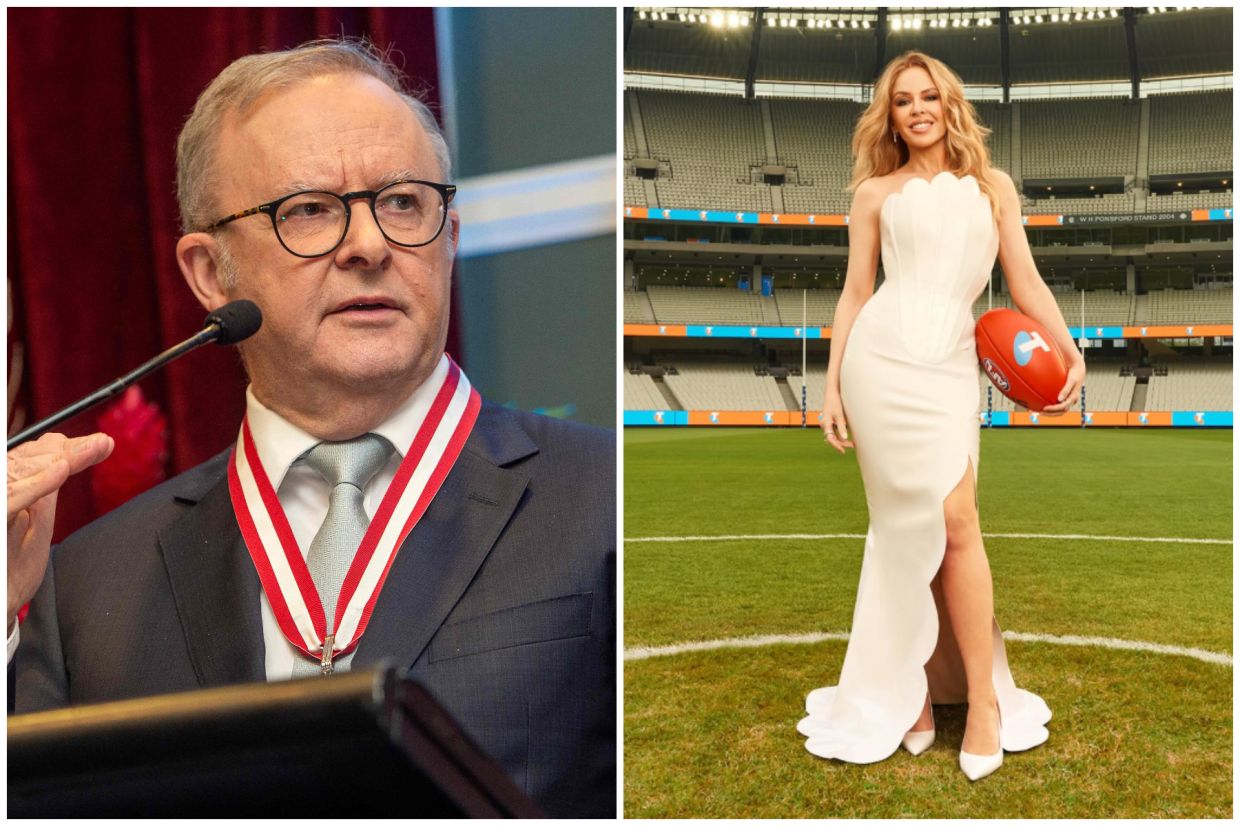
Australian Prime Minister Anthony Albanese has apologised without reservation for remarks he made about internationally renowned pop star Kylie Minogue during a recent podcast appearance, following immediate criticism from lawmakers and public figures across the political spectrum.
The incident occurred when Albanese appeared on a local comedy podcast and was posed the familiar party game question of which Australian entertainer he would "shag, marry, date". Despite initially attempting to sidestep the query, the Prime Minister ultimately nominated Minogue, stating "Oh, Kylie, clearly", before elaborating that he would choose to do "all of the above" when pressed further by host Nikki Osborne.
The comments generated swift condemnation across Australian political and social circles. One prominent lawmaker characterised the remarks as demonstrating disrespectful judgement unbecoming of a sitting Prime Minister, highlighting broader concerns about the standards expected of leaders in public discourse. The criticism extended beyond partisan divides, suggesting the comments struck a nerve with observers from various political persuasions who felt such conduct fell beneath acceptable standards for the nation's chief executive.
Albanese's office released a formal statement within days of the comments surfacing publicly, with the Prime Minister stating: "I apologise unequivocally for the comments." This swift and unambiguous response appeared designed to contain the controversy and prevent further reputational damage, though it came only after the initial statements had generated sufficient negative attention to force a formal response.
For Malaysian and Southeast Asian observers, this episode offers insights into Australian political culture and the evolving standards applied to public figures in democratic societies. While crude humour and double entendres have traditionally occupied space within Australian public discourse, expectations regarding Prime Ministerial comportment appear to have shifted toward greater scrutiny of personal remarks made in semi-public forums. The podcast format, while nominally comedic in intent, created a permanent record of comments that might previously have remained confined to private conversations.
Kylie Minogue, affectionately known across the region as the "Princess of Pop", achieved initial fame through her appearances in the Australian soap opera Neighbours before establishing an extraordinarily successful international music career spanning decades. Her status as a cultural icon extends throughout Southeast Asia, where her music and performances have maintained substantial popularity among multiple generations of fans. This cultural prominence made the comments particularly noteworthy, as they involved a figure of significant public regard rather than an obscure personality.
The incident underscores the increasingly complex relationship between political leaders and contemporary media platforms. The proliferation of podcast appearances and informal media engagement creates numerous opportunities for public figures to make unguarded remarks that were previously less likely to achieve widespread circulation. What might have been a throwaway comment delivered in a genuinely private setting now carries the potential for viral dissemination and sustained public scrutiny. For political leaders navigating these waters, the challenge involves balancing accessibility and authenticity against the imperative to maintain appropriate standards of decorum.
From a regional perspective, the incident also reflects broader conversations about gender and respect in public discourse. The remarks, while framed within a playful game format, ultimately involved sexualised commentary about a woman without her prior knowledge or consent. As conversations about workplace conduct, power dynamics, and respectful engagement continue evolving across Southeast Asia and globally, such incidents prompt reflection on whether standards previously considered acceptable remain defensible in contemporary contexts.
Albanese's apology, while unequivocal in its language, arrived only after public pressure mounted sufficiently to force a response. This reactive posture, rather than proactive acknowledgement of misjudgement, may have contributed to perceptions that the Prime Minister recognised the error primarily through negative feedback rather than through immediate personal reflection. The timing and framing of apologies can significantly influence public reception and perceptions of genuine contrition versus damage control.
The broader implications for Australian politics extend to questions about the relationship between informal and formal communication by political leaders. As social media and podcast platforms continue fragmenting media consumption, politicians increasingly inhabit hybrid spaces where the line between formal leadership persona and informal personality becomes blurred. The expectations governing behaviour in these intermediate zones remain contested and evolving, with incidents such as this potentially serving to crystallise new norms about appropriate Prime Ministerial conduct across various forums.

