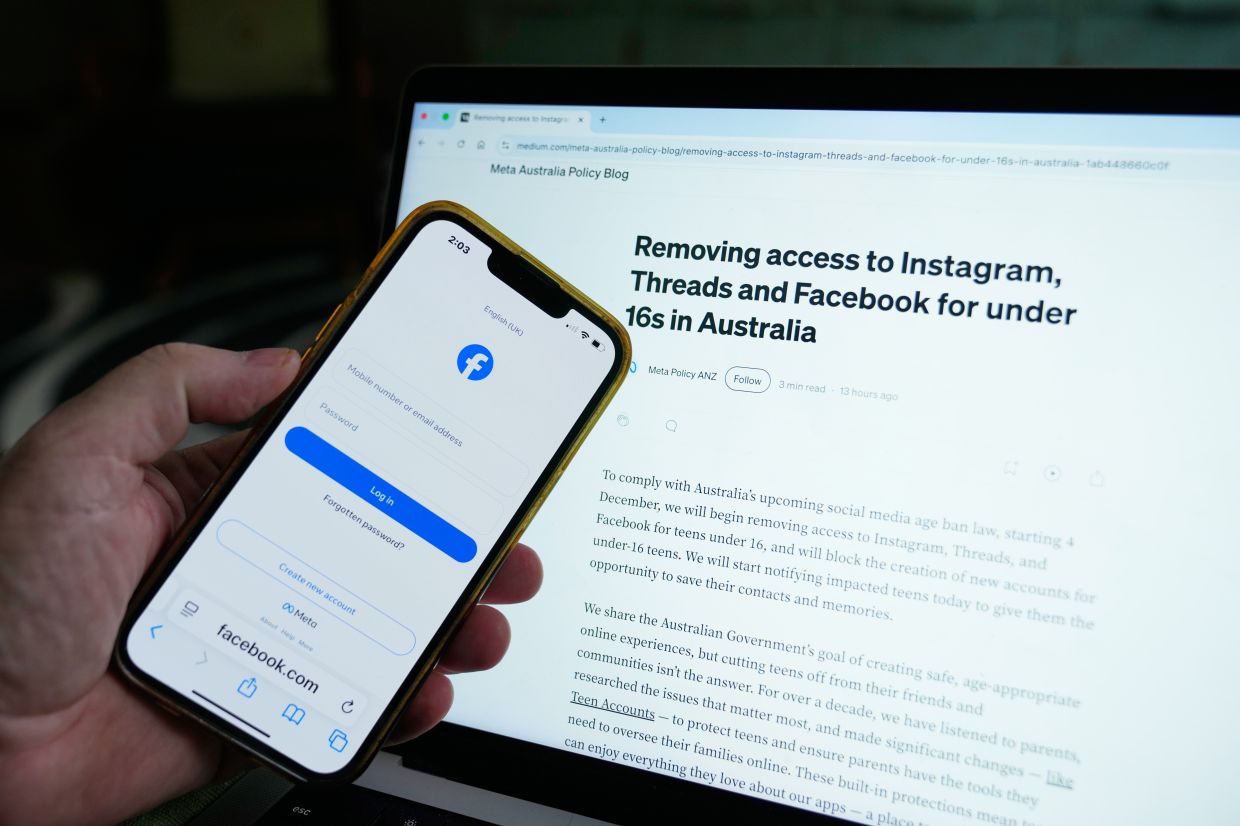
Prime Minister Anthony Albanese has attacked what he characterises as an obstructionist move by Australia's opposition and minor parties to defer crucial amendments designed to bolster the enforcement apparatus against social media platforms that defy the nation's under-16 user ban. The government submitted to Parliament a suite of legislative changes intended to equip eSafety Commissioner Julie Inman Grant with substantially expanded investigative and punitive tools to ensure compliance with restrictions that took effect in December across major platforms including Facebook, Instagram, and YouTube.
The core issue centres on parliamentary procedural delays that Albanese views as strategically counterproductive. The Liberal Party opposition and the Australian Greens referred the draft amendments to an eight-week Senate inquiry on July 2, a move that the Prime Minister argues directly undermines enforcement efforts. Since Labour lacks a Senate majority, the delay represents a significant political hurdle. Albanese articulated his frustration to the Australian Broadcasting Corporation, arguing that postponement provides platforms with what amounts to a window of opportunity to expunge documentation that could substantiate breaches. He emphasised that immediate passage would establish the precise date from which the Commissioner could commence issuing formal demands, thereby triggering the capacity to impose financial penalties.
The proposed amendments would grant Inman Grant authority to demand not merely information but physical documents from platforms, expanding her current capabilities which are limited to information requests alone. This distinction proves consequential in enforcement contexts where platforms might selectively disclose information while withholding documentary evidence of their compliance measures or lack thereof. Additionally, the legislation would authorise the Commissioner to seek information from third parties including age verification technology providers, allowing independent verification of claims made by social media companies regarding their methods for excluding minors and investigating circumvention techniques.
Monetary penalties represent another focal point of contention. The amendments would double the maximum fine levied against non-compliant platforms to A$99 million, representing a substantial escalation from existing provisions. This increase reflects government frustration with perceived inadequate deterrence under current frameworks. However, critics from both the Greens and the opposition have questioned whether penalty elevation addresses the substantive problem, particularly given that no maximum fine under the initial legislation has yet been issued.
Green Senator David Shoebridge, a longstanding opponent of the social media restrictions themselves, articulated scepticism regarding the enforcement approach. He contended to Sky News Australia that merely elevating penalties that remain unapplied constitutes performative rather than substantive reform. His rhetorical question—whether financial penalties actually translate into enhanced child safety outcomes—reflects broader ideological reservations about prohibition-based regulatory strategies. This perspective underscores ongoing debate about whether restrictions constitute the most effective policy instrument or whether alternative approaches centred on digital literacy and parental controls merit prioritisation.
The opposition Liberal Party, sensing political vulnerability, has adopted a paradoxical position by simultaneously criticising the amendments as insufficiently stringent whilst delaying their passage. Opposition communications spokesperson Senator Sarah Henderson characterised the original legislation as fundamentally flawed, describing it as hastily conceived, inadequately designed, and poorly implemented. She signalled that the opposition would scrutinise the amendments rigorously and contended they require strengthening beyond their current form. This posturing allows the opposition to avoid direct responsibility for obstruction whilst maintaining pressure on Labour regarding policy failures.
The disconnect between initial legislative intent and operational outcomes has become starkly apparent through eSafety Commissioner reports. When Parliament overwhelmingly approved the foundational legislation in 2024, platforms received substantial implementation periods exceeding twelve months. Initial government announcements suggested over five million child accounts had been removed, deactivated, or restricted following the ban's December commencement. However, March assessments by the eSafety Commissioner revealed substantially different realities: seven in ten children maintaining accounts on restricted platforms at the December enforcement date remained active on Facebook, Instagram, Snapchat, and TikTok.
This compliance gap prompted Inman Grant to signal in April her intention to pursue court proceedings against the major platforms, alleging systematic failure to implement reasonable exclusionary measures. The Commissioner expressed satisfaction with progress from X, Kick, Reddit, Threads, and Twitch, indicating variable commitment across different platforms. Communications Minister Anika Wells disclosed that monthly reports from eSafety since March revealed consistent non-improvement, suggesting that existing regulatory mechanisms and voluntary compliance frameworks lack necessary enforcement capacity.
For Malaysian and Southeast Asian observers, Australia's experience offers instructive lessons regarding regulatory design for digital spaces. The implementation challenges confronting Australia—encompassing technological circumvention, platform resistance, and political fragmentation—parallel issues that regional governments contemplating similar restrictions would inevitably encounter. Australia's relative economic and institutional sophistication has not prevented significant slippage between legislative intention and practical compliance, suggesting that emerging regulatory frameworks across Southeast Asia require particularly robust enforcement mechanisms from inception.
The Senate inquiry delay introduces uncertainty regarding timeline for strengthened enforcement. Eight additional weeks of parliamentary process, potentially extending further through debate and amendment cycles, represent material time advantages for platforms seeking to obscure evidence or adapt strategies. This dynamic illustrates how parliamentary mechanics can substantially impact regulatory effectiveness in technology governance contexts where platform behaviour adapts rapidly to shifting regulatory environments. The political standoff ultimately reflects competing philosophies regarding digital regulation: labour's enforcement-focused approach confronts opposition criticism that existing legislation proves fundamentally inadequate, whilst both parties navigate complex constituencies with varying perspectives on appropriate state intervention in technology access.

