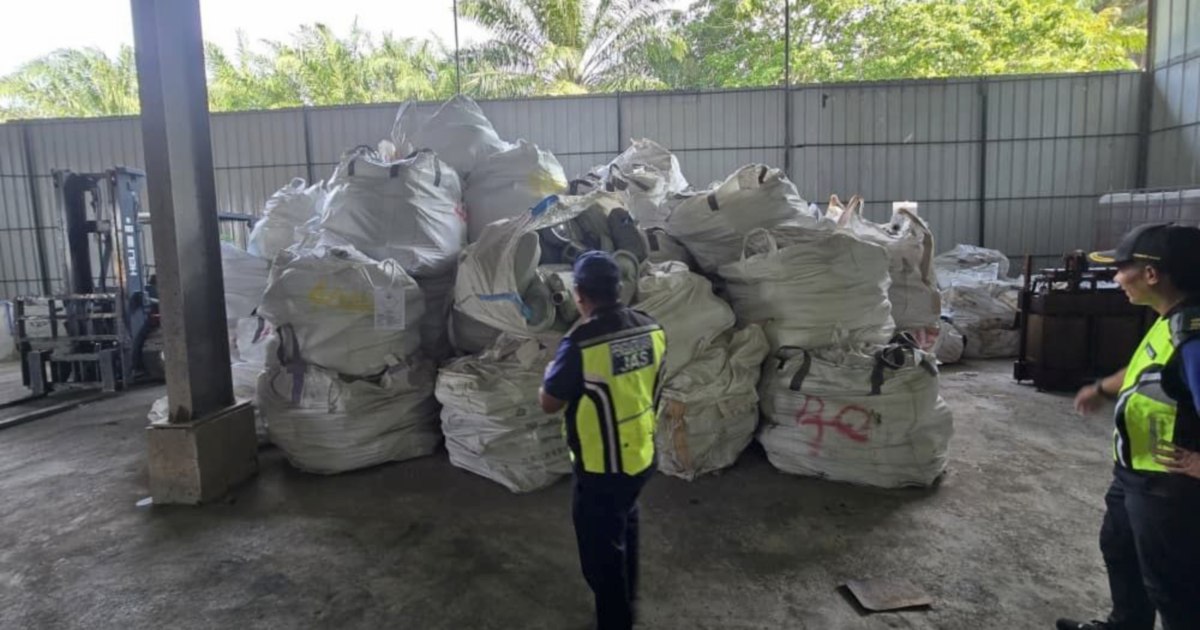
The General Operations Force (GOF) has dismantled a large-scale illegal electronic waste operation following a raid on an underground factory in Gambang, Kuantan yesterday. Officers arrived at the premises to discover an extensive collection of discarded electronic components and materials, ultimately tallying approximately RM6.4 million in confiscated goods. The swift enforcement action resulted in the detention of the facility's manager for further investigation into the unlicensed operation.
The discovery underscores a persistent challenge facing Malaysian authorities: the illicit processing and trafficking of electronic waste across the country. As technology consumption accelerates throughout Southeast Asia, the improper handling of discarded gadgets, circuit boards, and electrical components has become a significant environmental and criminal concern. Illegal operations such as the one uncovered in Gambang typically operate without environmental permits, labour safeguards, or proper hazard management protocols, exposing workers and nearby communities to toxic materials including lead, mercury, and cadmium.
The Gambang facility represents a troubling trend of criminal enterprises capitalising on the global demand for recovered materials extracted from e-waste. Precious metals including gold, copper, and silver can be extracted from circuit boards and components, creating lucrative opportunities for operators willing to circumvent regulations. The RM6.4 million valuation suggests the facility had accumulated substantial stockpiles, indicating this was not a small-scale operation but rather an established enterprise running over an extended period.
From a regulatory perspective, this enforcement action highlights the GOF's continued commitment to disrupting illegal manufacturing sites that operate beyond the purview of environmental agencies and labour authorities. The detention of the factory manager signals that investigations will pursue not only the closure of the facility but also potential charges related to operating without proper licensing, environmental violations, and possibly money laundering through the sale of illegally processed materials.
Malaysia's position as a manufacturing hub and regional trading centre has inadvertently made it susceptible to becoming a dumping ground for e-waste from developed nations and neighbouring countries. Weak enforcement at ports and land borders, combined with the profitability of illegal dismantling operations, has created pathways for tonnes of discarded electronics to be smuggled into the country for processing rather than legitimate recycling. The prevalence of such operations in industrial areas like Gambang, located conveniently near Kuantan port, reflects the strategic placement of criminal infrastructure.
The environmental damage from unregulated e-waste processing extends beyond individual poisoning incidents. Contamination of soil and groundwater from leaching hazardous materials poses long-term risks to agricultural areas and residential zones surrounding such facilities. In Southeast Asia, where many nations are still developing comprehensive circular economy frameworks, the disposal and recovery of electronic waste remains fragmentary, with informal and illegal sectors filling the gaps left by inadequate official infrastructure.
For Malaysian consumers and businesses, this raid carries implications regarding supply chain transparency and corporate responsibility. Many manufacturers and retailers source recycled materials from third parties without always verifying their operational legitimacy. The discovery of such a substantial illegal operation suggests that some recycled components entering legitimate supply chains may originate from unlicensed facilities, potentially compromising product quality and ethical standards.
The GOF's operation also reflects broader coordination between Malaysia's law enforcement and environmental agencies to tackle transnational environmental crimes. E-waste trafficking often involves networks spanning multiple jurisdictions, requiring intelligence sharing and joint operations. Yesterday's raid in Kuantan likely involved preliminary surveillance and coordination with local authorities and possibly international partners monitoring the movement of contraband electronics across the region.
Looking forward, the confiscation of RM6.4 million worth of materials raises questions about proper disposal of the seized goods. Malaysian authorities must ensure that the recovered e-waste is processed through legitimate, environmentally certified channels rather than re-entering illegal markets. The Basel Convention, which Malaysia is signatory to, sets strict standards for transboundary movement of hazardous wastes, yet enforcement remains inconsistent across Southeast Asia.
The case also underscores the need for stronger regulation of the legitimate recycling industry in Malaysia. Licensed operators have complained that illegal competitors undercut prices by avoiding compliance costs, making it economically difficult for lawful businesses to compete. Stricter penalties and more frequent inspections could level the playing field while simultaneously protecting workers and the environment from the hazards associated with improper e-waste handling.
As the investigation into the detained factory manager progresses, attention will likely turn to identifying suppliers of raw materials to the facility and buyers of processed goods. Dismantling one operation often reveals connections to larger networks, potentially leading to additional enforcement actions. For Kuantan residents and surrounding communities, the closure of this illegal facility should provide some reassurance regarding environmental protection, though comprehensive solutions to e-waste challenges require sustained investment in licensed recycling infrastructure and public awareness campaigns.

