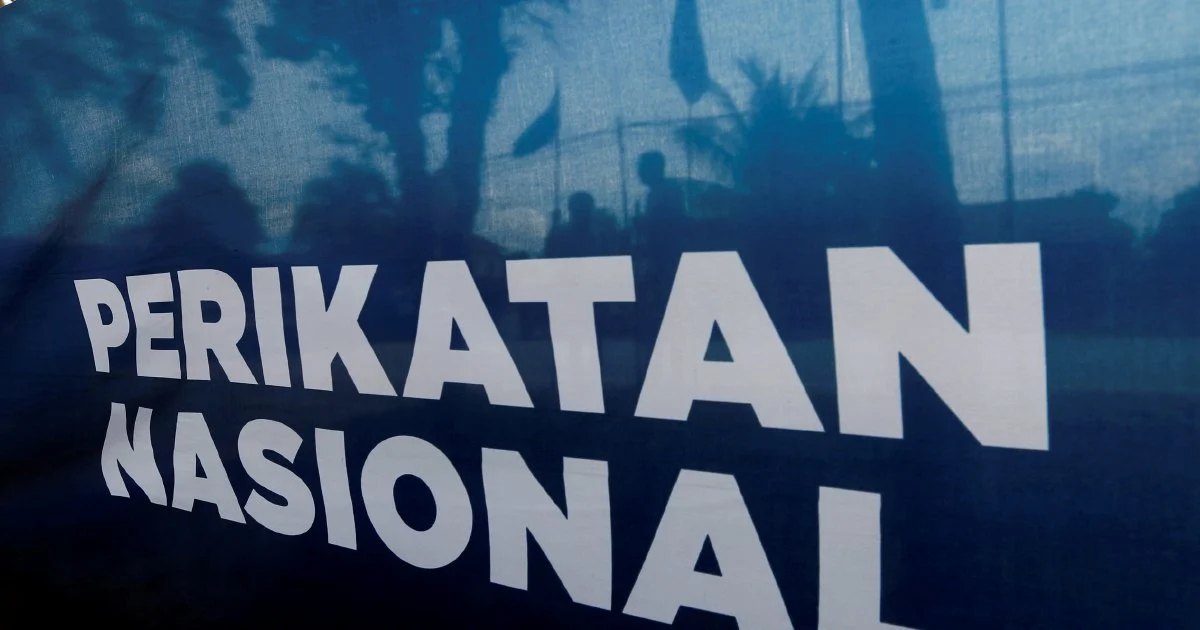
Datuk Seri Mohamed Azmin Ali and Datuk Dr Mohd Radzi Md Jidin have been stripped of their leadership positions within Perikatan Nasional, the opposition coalition announced in Kuala Lumpur. The decision represents the latest round of internal restructuring as the alliance continues to redefine its organisational hierarchy and power dynamics heading into what could be a consequential period for Malaysian politics.
The removals signal ongoing tensions within PN's upper echelons, where differing visions for the coalition's direction and strategy have periodically surfaced. Both figures held significant roles that gave them influence over party decision-making processes, meaning their departure from these posts redistributes authority among remaining leadership members. The coalition has not immediately clarified the specific reasons for the changes, though such reshuffles typically reflect either performance assessments or strategic recalibrations among senior figures.
Azmin, a prominent political operator with considerable influence particularly within Selangor politics, had been involved in several high-profile political movements over recent years. His removal from PN's leadership structure could affect the coalition's positioning in key urban and suburban constituencies where Selangor's representation carries weight. The timing of this decision may also influence intra-party dynamics and how various PN component parties approach cooperation moving forward.
Radzi's departure from his PN leadership position removes another layer of institutional knowledge and experience from the coalition's top tier. His background in governance and administration had contributed to PN's broader policy frameworks. The reshuffle raises questions about whether these leadership changes reflect broader philosophical disagreements or are simply routine administrative adjustments as PN continues to evolve its organisational structure.
For Malaysian political observers, the reshuffle underscores the inherent instability that often characterises opposition coalitions. PN itself emerged as a realignment of forces dissatisfied with the previous dominant political configuration, yet internal coherence remains challenging. As different member parties pursue their own interests and as personalities clash over strategic direction, such reshuffles become inevitable expressions of these underlying tensions.
The changes also carry implications for how PN positions itself relative to other political groupings. With both figures removed from formal leadership roles, PN may be attempting to project a different image or consolidate power more tightly around specific individuals or factions. This could either strengthen coalition unity by clarifying decision-making authority or create friction if senior members feel sidelined from meaningful participation in strategy development.
For Malaysian readers and political participants, understanding the human elements behind such moves matters considerably. Azmin and Radzi are not merely organisational functionaries but politicians with personal constituencies, factional support networks, and policy preferences. Their removal from formal positions does not necessarily diminish their informal influence, particularly if they retain strong backing within their respective parties or among grassroots supporters.
The broader context suggests that PN continues navigating the challenging transition from protest movement to governing alternative. Opposition coalitions typically face pressures that ruling coalitions do not, as they must maintain unity while lacking the spoils of office to distribute among members. In such circumstances, periodic reshuffles often serve to address grievances, redistribute perceived slights, or reset relationships that have become strained.
Looking ahead, observers should monitor whether these leadership changes presage further moves or represent a temporary adjustment. The composition of PN's leadership council will likely influence how effectively the coalition can coordinate messaging, develop coherent policy positions, and present itself as a credible alternative government. Personnel changes at this level can either clarify direction or introduce additional uncertainty depending on how remaining leaders navigate the transitions.
For stakeholders across Malaysian politics—from civil society to business communities to ordinary voters—PN's internal management carries practical significance. As an alternative to the current ruling coalition, PN's ability to function effectively and present unified public positions affects whether voters perceive it as a genuine option. Frequent reshuffles can either demonstrate healthy adaptation or suggest chaotic leadership that raises questions about readiness for high office.
The removal of Azmin and Radzi from their PN roles contributes to the ongoing evolution of Malaysian opposition politics. Whether this marks a turning point toward greater stability or another chapter in a continuing pattern of adjustment will become clearer as the political landscape develops. For now, the reshuffle stands as a reminder that despite PN's establishment as a formal coalition, the underlying tensions and competing interests that define opposition politics remain active forces shaping its trajectory.