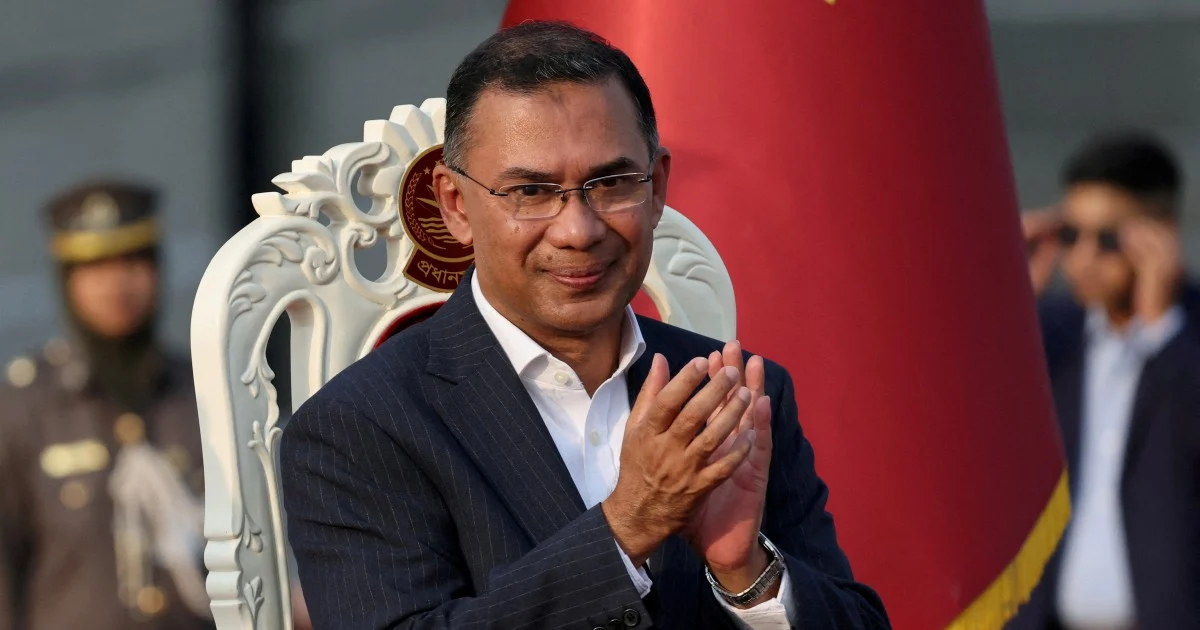
Bangladesh Prime Minister Tarique Rahman touched down in Sepang today, marking the beginning of a significant diplomatic engagement aimed at reinforcing the longstanding partnership between Dhaka and Kuala Lumpur. The timing of the visit underscores the importance both governments place on advancing their bilateral relationship during a period of considerable geopolitical and economic shifts across South and Southeast Asia.
The visit represents a critical opportunity for Malaysia and Bangladesh to explore expanded cooperation frameworks that extend beyond traditional diplomatic channels. Both nations share substantial economic and cultural linkages, with Bangladesh being home to a significant diaspora community that maintains strong ties to Malaysia. These people-to-people connections form a vital foundation upon which official relations continue to develop and strengthen.
From Malaysia's perspective, the visit comes at a moment when deepening ties with South Asian nations has become increasingly strategic. Bangladesh's position as a major economy within South Asia and its role as a significant manufacturing hub present compelling opportunities for Malaysian businesses and investors seeking to diversify their regional portfolios. The bilateral agenda likely encompasses discussions on enhancing trade volumes, facilitating investment flows, and exploring joint ventures across sectors ranging from technology and manufacturing to infrastructure development.
Bangladesh's interest in strengthening relations with Southeast Asian nations, including Malaysia, reflects broader regional aspirations to integrate more deeply into the ASEAN-led economic and political architecture. For Bangladesh, engagement with Malaysia offers pathways to access regional networks, share best practices in governance and development, and position itself as a credible partner in regional initiatives. This mutual repositioning aligns with evolving regional dynamics where traditional South-North relations are complemented by enhanced South-South cooperation.
The official visit agenda is expected to cover substantial ground on economic partnership, including potential collaborations in renewable energy, digital transformation, and manufacturing sectors where both nations possess complementary strengths. Malaysia's experience in becoming a regional financial and technology hub could offer valuable lessons for Bangladesh as it pursues its own development aspirations. Conversely, Bangladesh's growing manufacturing capabilities and vast consumer market represent significant attractions for Malaysian enterprises seeking expansion opportunities.
Cultural and educational exchanges typically feature prominently in such high-level visits, reflecting the shared heritage and common values that underpin the relationship. Malaysia hosts a considerable Bangladeshi expatriate population, and many Bangladeshi students pursue higher education at Malaysian institutions. These connections create natural constituencies within both societies that support closer bilateral engagement and people-to-people understanding.
Regional security and stability considerations are also likely to inform discussions during the visit. Both nations share interests in ensuring maritime security, combating transnational crime, and addressing irregular migration challenges that affect the region. Malaysia's experience managing complex multicultural society and its approach to regional security cooperation offer relevant reference points for discussions with Bangladesh, which itself navigates substantial security and development challenges.
The visit occurs against a backdrop of Bangladesh's significant demographic dividend and its growing importance as a garment manufacturing and textile production centre. Malaysian investors have increasingly looked towards Bangladesh as a destination for relocated manufacturing operations, particularly given evolving global supply chain dynamics and the necessity to diversify away from overconcentration in any single location. Strengthening official channels facilitates smoother business operations and creates an enabling environment for such economic activities.
From a broader Southeast Asian perspective, Bangladesh's engagement with Malaysia signals the region's continued openness to deeper integration with South Asian partners. This dynamic reflects recognition that regional prosperity and stability depend increasingly on horizontal cooperation across traditional geographical boundaries. ASEAN nations like Malaysia benefit from such engagement as it expands the region's economic hinterland and strengthens the collective voice of Southeast Asia in regional governance structures.
The visit also provides opportunity for Malaysia to articulate its development experience and institutional approaches to an interested partner. As a developing nation that has achieved relatively high income status and developed robust institutions, Malaysia presents a model that resonates with other emerging economies. Bangladesh's leadership has demonstrated commitment to learning from successful regional examples and adapting them to local contexts.
Looking forward, the trajectory of Bangladesh-Malaysia relations will likely accelerate across multiple dimensions. Technology transfer, vocational training programmes, and capacity building initiatives may emerge as key pillars of cooperation. Such engagement would complement existing trade relationships and create deeper institutional linkages that benefit both societies beyond immediate commercial transactions.
The visit represents more than ceremonial diplomacy; it signals mutual recognition of shared interests in a prosperous, stable, and integrated region. As both nations navigate economic transitions and development challenges, their cooperation becomes increasingly valuable. The outcomes of this visit will likely set the tone for expanded engagement in the coming years, potentially establishing new institutional mechanisms that facilitate sustained collaboration across government, business, and civil society spheres.

