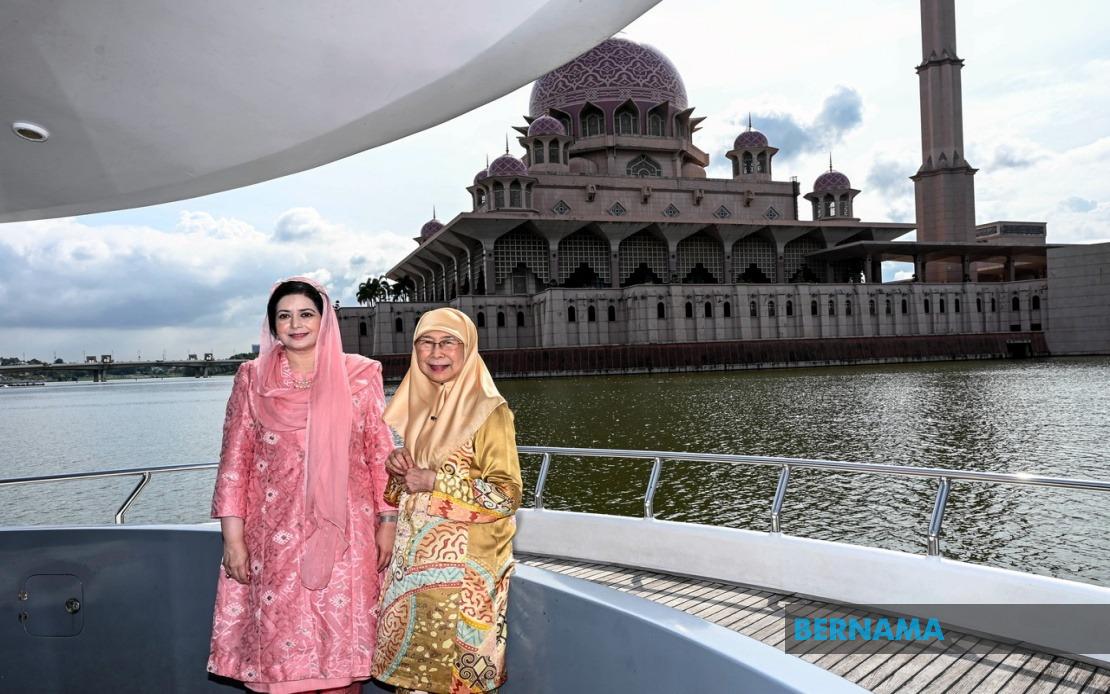
Dr Zubaida Rahman, spouse of Bangladesh Prime Minister Tarique Rahman, embarked on a leisurely Putrajaya Lake Cruise on Sunday morning, using the scenic outing to acquaint herself with Malaysia's administrative capital. The visit showcased the architectural and natural splendour that define this purpose-built city, with the boat journey providing panoramic vistas of the landmarks that populate the waterfront landscape.
Upon arriving at the cruise terminal at 9:30 am, Dr Zubaida received a warm welcome from two prominent Malaysian figures: Dr Wan Azizah Wan Ismail, the nation's First Lady and spouse of Prime Minister Datuk Seri Anwar Ibrahim, and Hannah Yeoh, the Minister in the Prime Minister's Department overseeing Federal Territories. The greeting reflected Malaysia's diplomatic courtesy towards its South Asian partner nation and set the tone for the cultural exchange component of the bilateral engagement.
Throughout approximately one hour on the water, Dr Zubaida engaged in substantive conversation with both Dr Wan Azizah and Hannah Yeoh, creating an informal diplomatic setting where the leaders' spouses could discuss matters of mutual concern while absorbing the ordered urban planning and architectural ambitions embedded in Putrajaya's design. Such personal interactions between the wives of heads of government often facilitate soft diplomacy and people-to-people understanding that transcends formal state protocols.
The leisure activity formed part of a broader two-day official state visit that commenced when Prime Minister Tarique Rahman and his wife touched down in Malaysia on Sunday evening. This journey holds considerable diplomatic significance, as it represents Tarique's inaugural official bilateral visit abroad since his assumption of office in February 2026, underscoring Malaysia's status as a priority nation in Bangladesh's emerging foreign policy orientation.
Anwar Ibrahim's personal invitation to Tarique Rahman reflects the historical warmth and contemporary importance of the bilateral relationship. The visit aims to consolidate existing bonds between the two nations while exploring fresh avenues for cooperation across sectors where both countries share strategic interests and complementary economic capabilities. The itinerary balances formal state functions with cultural and recreational elements designed to foster personal rapport between political leaders.
Bangladesh occupies a significant position within Malaysia's trading ecosystem, currently functioning as the nation's 28th-largest trading partner globally. The bilateral commercial relationship demonstrates substantial depth, with total bilateral trade reaching RM12.18 billion in value. This figure reflects the integrated nature of economic ties spanning textiles, manufacturing, energy, and services sectors where Malaysian firms maintain considerable exposure.
Within the South Asian context specifically, Bangladesh represents Malaysia's second-largest trading partner after India, a position that reflects both Bangladesh's population scale and the successful development of trade corridors between Malaysian and Bangladeshi business communities. The commercial relationship extends beyond traditional goods into investment and technology transfer arrangements that benefit enterprises in both nations. This economic foundation provides tangible substance to the diplomatic engagement that characterizes state visits.
The selection of Putrajaya as a destination for Dr Zubaida's recreational activity was particularly apt, as the city represents Malaysia's governmental modernization agenda and urban development philosophy. The carefully designed waterscape and architectural ensembles surrounding the lake serve as physical manifestations of Malaysia's aspirations toward managed growth and quality urban governance—themes that resonate with Bangladesh's own development priorities as it grapples with rapid urbanization and infrastructure demands across its densely populated landscape.
The Putrajaya Lake Cruise experience offered Dr Zubaida practical insights into how Malaysia has approached the integration of water management, recreational space, and administrative functionality within a single urban zone. This exposure to Malaysia's urban planning approaches may prove valuable as Bangladesh charts its own course in developing new administrative and commercial hubs to relieve pressure on Dhaka and support decentralized economic growth.
The informal nature of the lake cruise, contrasting with the formal protocols of state dinners and official ceremonies, allowed for the kind of candid exchange that often produces genuine understanding between representatives of allied nations. The relaxed setting facilitated conversations about shared challenges in women's leadership, development priorities, and the distinctive roles that spouses of heads of government can play in advancing national interests through cultural diplomacy and informal networks.
Looking forward, the remainder of the two-day visit will likely encompass bilateral meetings addressing trade expansion, investment promotion, educational exchange, and potential collaboration on regional security matters where both nations hold overlapping concerns. The personal bonds formed during leisure activities often smooth negotiations during formal sessions, providing informal channels through which political leaders can communicate positions and explore compromise when formal diplomatic language proves too rigid.
The visit underscores Bangladesh's growing confidence on the regional diplomatic stage following Tarique's recent assumption of prime ministerial responsibilities. Malaysia, as a developed Southeast Asian economy and influential voice within regional forums, offers both a model for governance and an important ally in advancing shared interests within multilateral frameworks spanning ASEAN, BIMSTEC, and various economic partnerships that span the Indian Ocean region.

