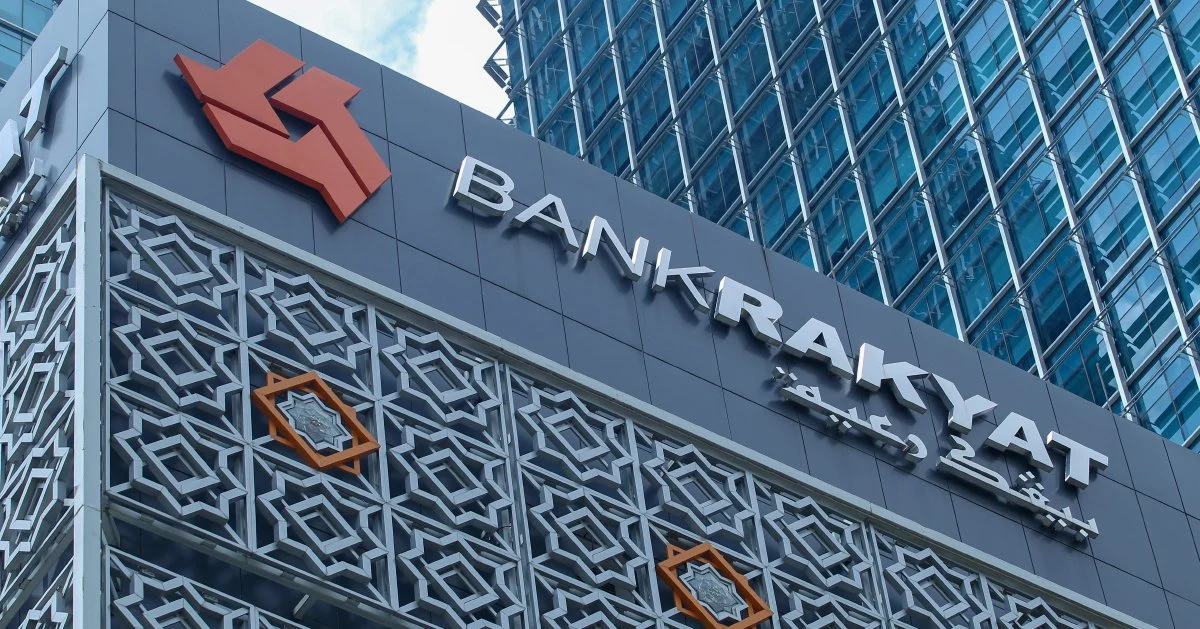
Bank Rakyat has moved to strengthen its capital adequacy by issuing RM300 million in subordinated Islamic bonds, leveraging its existing RM5 billion sukuk Murabahah facility to underpin expansion plans and operational resilience in Malaysia's increasingly competitive banking landscape.
The issuance represents a strategic deployment of the bank's approved sukuk programme, enabling the lender to access capital markets efficiently while meeting regulatory capital requirements. As a development financial institution serving Malaysia's micro and small enterprise sector, Bank Rakyat operates within specific regulatory mandates that require robust capital ratios to support lending operations and maintain financial stability.
Sukuk instruments have become a preferred financing mechanism for Malaysian financial institutions seeking to raise capital while adhering to Islamic financing principles. The Murabahah structure employed in Bank Rakyat's programme is based on a cost-plus markup arrangement, making it an attractive option for both the issuer and investors aligned with Shariah-compliant investment criteria. This approach has gained considerable traction across Southeast Asia's banking sector as institutions balance capital-raising needs with growing demand for ethical finance products.
For Bank Rakyat specifically, strengthening capital buffers serves multiple strategic objectives. Enhanced capital positions enable expansion of microfinance operations, which remain critical for supporting Malaysia's grassroots entrepreneurship and small business ecosystem. The bank operates extensively across rural and urban markets, serving borrower segments that may lack access to conventional banking facilities, making adequate capitalisation essential for scaling these operations.
The timing of this issuance reflects broader trends in Malaysia's financial sector, where institutions continue seeking diverse funding avenues amid evolving monetary conditions and competitive pressures. Islamic capital markets have matured significantly, offering issuers multiple instruments and investor bases that facilitate efficient capital mobilisation. Bank Rakyat's approach aligns with how Malaysian development finance institutions leverage these markets to fund growth initiatives.
Regulatory frameworks governing bank capital have become increasingly stringent following global financial reforms, with Malaysian authorities maintaining high standards for capital adequacy ratios. Subordinated sukuk, positioned below senior debt in repayment hierarchy but above equity, serve as qualifying capital under these frameworks while preserving the bank's Tier 1 equity base for retained earnings and organic growth. This hybrid capital structure has become standard practice among regional banks managing capital efficiency.
The RM5 billion sukuk Murabahah programme demonstrates Bank Rakyat's confidence in market appetite for its debt instruments and reflects investor confidence in the institution's creditworthiness and strategic direction. Malaysian institutional investors, including pension funds and insurance companies, actively participate in sukuk markets, creating sustained demand for quality issuances from recognisable financial institutions serving domestic economic objectives.
Beyond immediate capital needs, the issuance signals Bank Rakyat's commitment to advancing microfinance penetration across Malaysia's underserved markets. Enhanced financial capacity enables the institution to expand branch networks, upgrade digital banking infrastructure, and increase loan disbursement capacity to small entrepreneurs and informal sector participants. This expansion has broader economic significance for job creation and business development across less-developed regions.
The subordinated nature of this sukuk means the instrument carries higher returns than senior debt, compensating investors for subordination risk while providing Bank Rakyat with cost-effective capital relative to equity financing. This pricing dynamic reflects market efficiency in Islamic finance, where risk-adjusted returns attract appropriate investor classes and enable issuers to optimise funding costs across their capital structure.
For Malaysian investors, Bank Rakyat's sukuk offering provides exposure to an institution anchored in the domestic financial system with mandated social development objectives. The combination of government backing typical of development finance institutions, coupled with Islamic financing compliance, appeals to both conventional and values-driven investors seeking exposure to Malaysian credit with development impact considerations.
Looking ahead, Bank Rakyat's capital strengthening positions the institution to navigate competitive dynamics as traditional banks expand retail and small business offerings while fintech platforms challenge market share. Adequate capital provides flexibility to invest in technological capabilities, expand product offerings, and maintain competitive pricing while sustaining the financial margins necessary for operational sustainability.
The broader Malaysian banking sector watches such issuances closely, as they indicate market receptiveness and provide benchmarks for other institutions' capital-raising efforts. Successful sukuk placements from established financial institutions smooth the way for subsequent issuers and help develop deeper, more liquid Islamic debt markets that benefit the entire ecosystem.
Bank Rakyat's strategic use of sukuk instruments demonstrates how Malaysian financial institutions are harnessing Islamic capital markets not merely as compliance mechanisms but as integral components of modern funding strategies that align capital-raising with stakeholder values and developmental mandates.

