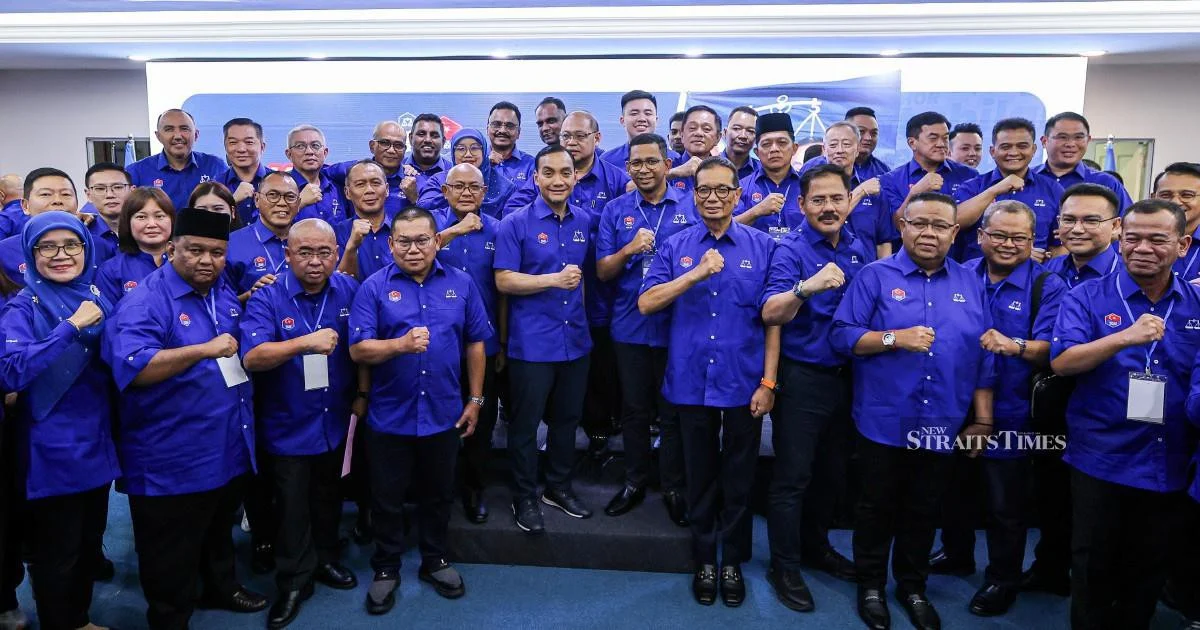
Barisan Nasional's strategy for the July 11 Johor state election increasingly rests on the shoulders of newly selected candidates who bring fresh energy to the coalition's campaign machinery. These emerging figures, drawn from BN's component parties operating in the state, have signalled their resolve to secure victory in what promises to be a closely watched electoral contest with implications extending across Southeast Asia's political landscape.
The decision to field new candidates reflects a broader recalibration within Barisan Nasional, an effort to project momentum and generational renewal at a time when Malaysian politics continues navigating significant structural changes. For Johor specifically, the choice carries weight—the state has historically served as a political bellwether, with its electoral outcomes often foreshadowing broader national trends. A decisive result in July could substantially bolster BN's confidence heading into future contests while simultaneously reshaping perceptions of the coalition's electoral viability among wavering voter segments.
New faces in Malaysian politics traditionally carry both advantage and risk. These candidates often benefit from limited negative electoral history and can connect with voters seeking alternatives to entrenched personalities. However, they equally lack the ground infrastructure and name recognition that established politicians have cultivated across decades. The commitment displayed by these newcomers suggests BN's leadership has calculated that fresh perspectives and untested candidates may prove more appealing to an electorate increasingly concerned with governance quality and institutional performance.
Johor's electoral dynamics warrant particular scrutiny given the state's demographic composition and economic significance. As Malaysia's southernmost major population centre and a crucial manufacturing hub, the state hosts diverse voter coalitions spanning urban professionals, manufacturing workers, and rural communities. Different demographic segments have shown varying levels of receptiveness to BN messaging in recent cycles, and whether new candidates can effectively bridge these divides remains uncertain. The coalition's performance here will substantially indicate whether its renewal efforts resonate across these disparate constituencies.
Component parties within Barisan Nasional—including UMNO, MIC, MCA, and others—have each contributed candidates to this refreshed lineup. This multi-party composition historically served as BN's structural strength, allowing it to represent diverse communal interests within a unified framework. However, that same diversity has occasionally created internal tensions and coordination challenges. The upcoming campaign will test whether these component parties can effectively synchronize their efforts behind these new faces or whether pre-existing rivalries resurface during the crucial weeks before polling day.
The timing of this election carries additional complexity. Johor voters will cast their ballots approximately eighteen months into the current federal administration, a period typically sufficient to form initial judgements about government performance. Economic conditions, development projects, and service delivery will feature prominently in voters' considerations. These new BN candidates will necessarily inherit questions about their party's stewardship of state and national affairs, regardless of their personal track records. Their ability to reframe narratives around accomplishment rather than defend inherited difficulties will substantially influence campaign effectiveness.
For opposition parties, the emergence of new BN candidates presents both challenge and opportunity. Established opposition figures have spent years building voter relationships and understanding local issues deeply. Fresh BN candidates require investment in grassroots organizing and relationship-building, potentially leaving openings for opposition parties to consolidate support in marginal areas. Conversely, new candidates may attract voters fatigued by long-standing political personalities and seeking different approaches to governance, a demographic that opposition parties have sometimes taken for granted.
Regional context further complicates the electoral landscape. Southeast Asian politics increasingly features the emergence of younger political generations with different worldviews from their predecessors. Whether Johor's new BN candidates reflect genuinely different political philosophies or merely represent cosmetic renewal remains a crucial question. Malaysian voters, particularly younger segments, have demonstrated willingness to penalize purely superficial change while rewarding genuine institutional reform and policy innovation.
The coalition's confidence in fielding predominantly new candidates suggests internal polling and focus groups have indicated voter receptiveness to this approach. However, campaign execution over the coming weeks will prove decisive. These candidates must effectively communicate their vision, establish credibility on local issues, and demonstrate why voters should trust them with state administration. Missteps or perceptions of inadequate preparation could rapidly undermine the novelty advantage these individuals initially possess.
Johor's July election thus transcends a single state contest, functioning instead as a crucial test case for Barisan Nasional's broader viability in contemporary Malaysian politics. The coalition's willingness to gamble substantially on new faces signals confidence in its organizational machinery and conviction that renewal remains possible. Whether that calculation proves sound will become apparent only when voters deliver their verdict at the ballot box.

