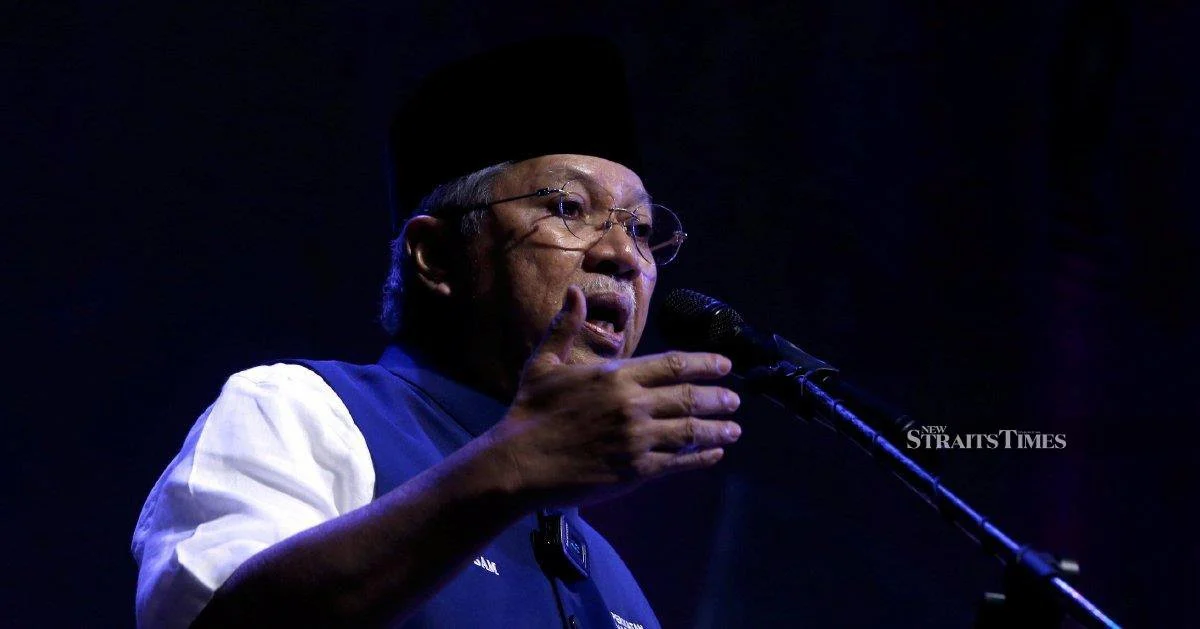
The three-party Perikatan Nasional coalition is navigating another period of internal friction, with senior figures urging member parties to adopt a more measured approach to public communication. The appeal for calm comes as the opposition-oriented grouping, which includes Bersatu, PAS, and Gerakan, faces scrutiny over its operational cohesion and electoral prospects ahead of potential political shifts.
Bersatu, the smallest but strategically important member of the coalition, has been specifically advised to refrain from rushing into reactive public statements. This counsel reflects a broader concern within PN's leadership that premature or inflammatory commentary could deepen existing divisions and weaken the bloc's negotiating position during an unpredictable political climate. The warning underscores the delicate balance required when managing a coalition that must present unified opposition while accommodating divergent party interests.
Tensions within Perikatan Nasional have periodically surfaced since the coalition's formal establishment, often rooted in disagreements over strategy, resource allocation, and political direction. Previous flashpoints have included disputes over seat allocations, differing positions on governance issues, and competing visions for federal power. Each strain test the coalition's structural integrity and the commitment of its constituent parties to maintain the alliance as a counterweight to Pakatan Harapan's government.
The coalition's effectiveness relies substantially on maintaining public discipline, particularly when confronted with tactical challenges or internal policy disagreements. When member parties engage in uncoordinated communication or contradict one another in public forums, it creates perception problems among voters and provides ammunition to political opponents seeking to exploit any appearance of disunity. This dynamic makes leadership's calls for restraint essentially defensive, aimed at preventing self-inflicted damage.
Bersatu's position within the coalition carries particular significance given its electoral footprint and membership composition. The party has historically drawn support from segments of Malay-Muslim voters, particularly in Peninsular Malaysia, making it relevant to PN's overall electoral mathematics. Yet Bersatu remains junior to PAS in terms of parliamentary seats and organizational reach, a positioning that can generate internal frustrations when the party's voice appears subordinated to larger coalition partners.
The broader political environment in Malaysia also influences coalition stability. As the government navigates economic pressures, social demands, and implementation of policy commitments, opportunities arise for opposition movements to exploit discontent. A fractious PN coalition delivers a weaker alternative narrative to voters concerned about current government performance, potentially limiting the opposition's ability to capitalize on public dissatisfaction. Maintaining coalition discipline therefore serves both immediate management interests and longer-term political positioning.
Previous instances of PN tension have occasionally erupted into public disputes requiring intervention from senior leadership to restore equilibrium. These episodes typically follow a pattern where lower-level disagreements escalate through media coverage until coalition elders intervene with calls for unity and restraint. The current appeal fits this established pattern, suggesting that frictions have reached a level requiring senior-level recalibration rather than remaining contained within routine party discussions.
The coalition's approach to public communication reflects lessons learned from earlier fractures. By requesting premature restraint before statements are made, leadership aims to create space for internal discussion and consensus-building away from media scrutiny and public positioning. This preventative approach theoretically avoids the need for damage control after statements have already generated headlines and hardened party positions.
For Malaysian political observers, these periodic tensions reveal the structural challenges inherent in opposition coalition management. Unlike government coalitions, which benefit from access to state resources and administrative momentum, opposition coalitions must rely primarily on shared political objectives and organizational discipline. When those unifying factors weaken or when member parties perceive diminishing prospects for electoral gains, cohesion deteriorates unless actively managed by party leadership.
The appeal for restraint also signals that PN's senior figures recognize the coalition's vulnerability to external pressures and internal centrifugal forces. By publicly requesting calm, leadership effectively acknowledges underlying tensions while attempting to contain them before they escalate into formal disputes or public recriminations. Whether such appeals prove sufficient to maintain coalition stability remains contingent on the specific grievances driving current tensions and the extent to which member parties genuinely view the alliance as advantageous to their individual political interests.
Moving forward, PN's continued functionality will depend on whether its constituent parties can subordinate immediate factional interests to coalition-level objectives. The coalition's credibility as a governing alternative rests significantly on demonstrating an ability to manage internal differences maturely and maintain organizational discipline during pressure periods. Bersatu's response to leadership guidance on public communications will offer an early indicator of whether the current tensions can be managed through appeals to restraint or whether deeper structural issues require more substantial institutional reforms.