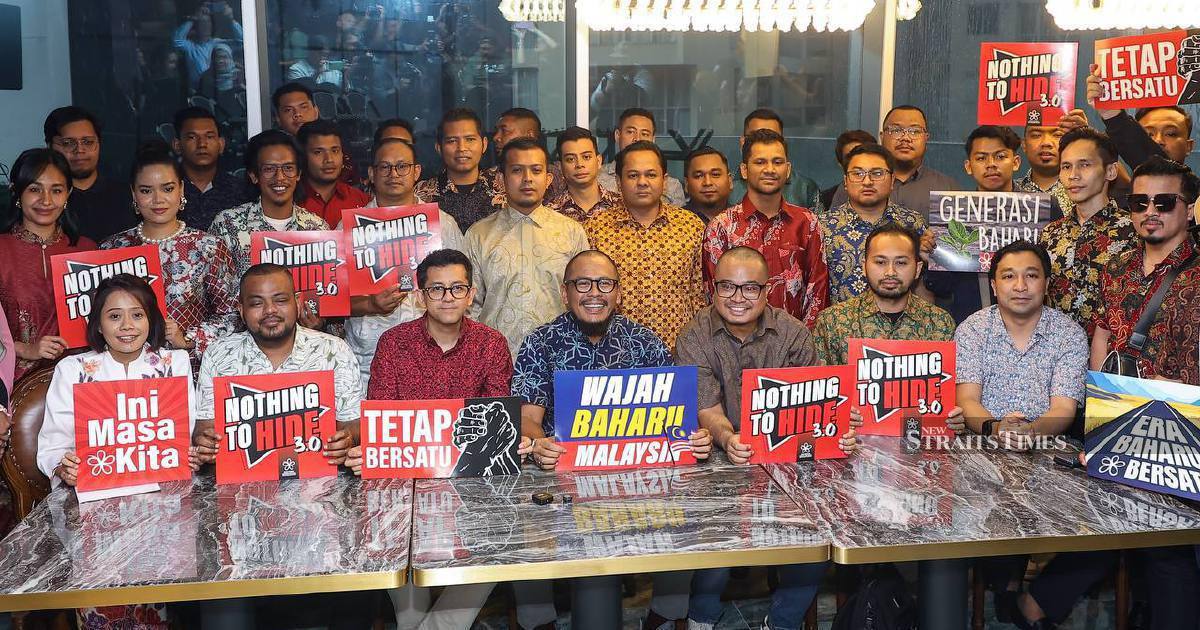
The relationship between Bersatu and PAS—two key pillars of the Perikatan Nasional opposition coalition—shows signs of strain, yet leadership from within Bersatu's ranks continues to express cautious optimism about reconciliation. Mohd Ashraf Mustaqim Abdul Munir, the assemblyman representing Kota Siputeh, has emerged as a voice of hope regarding the partnership's future, suggesting that recent discord between the allies need not be permanent or insurmountable.
Ashraf's analogy comparing the two parties to a married couple navigating household tensions offers insight into how some within Bersatu perceive the current impasse. The comparison carries particular weight in Malaysian political discourse, where coalition-building and the management of alliance tensions have become central to the country's constitutional arrangements and power dynamics. That Bersatu would invoke domestic imagery rather than more confrontational metaphors suggests a desire to frame the dispute as surmountable rather than existential.
The broader context of Perikatan Nasional itself shapes how these intra-alliance disputes must be understood. As an alternative political formation to the ruling Pakatan Harapan government, the PN coalition's internal cohesion directly affects its viability as a governmental alternative. When tensions flare between component parties, questions inevitably arise about the coalition's capacity to govern should it come to power. For Malaysian voters assessing their options, the stability of opposition partnerships carries real implications for governance quality and predictability.
Bersatu and PAS operate from somewhat different ideological and demographic bases. PAS, the Islamist party with substantial rural Malay constituencies, brings Islamic governance principles and religious constituencies to the table. Bersatu, the party founded by former premier Mahathir Mohamad and now led by Muhyiddin Yassin, operates with a broader but less ideologically defined mandate. These differences naturally generate friction over policy direction, resource allocation, and political messaging. Ashraf's optimism appears grounded in recognition that such differences, while real, need not prove insurmountable for practical coalition purposes.
The specific grievances between the parties remain complex. Historical disputes over seats, resources, and political credit have repeatedly surfaced in Malaysian PN dynamics. Each party naturally seeks to maximise its own political fortunes—the foundation of competition within any coalition. Managing these competitive impulses while maintaining united front politics requires constant negotiation, compromise, and willingness to accept short-term losses for long-term coalition stability. Ashraf's public optimism may signal that such negotiations are ongoing or that Bersatu leadership sees productive channels for resolving current disputes.
For Southeast Asian and Malaysian political observers, coalition dynamics in the region often prove fragile. Thailand's multiple coalition governments have frequently collapsed when minor partners departed. The Philippines has witnessed numerous coalition reorganisations. Indonesia's massive coalitions regularly experience ruptures and realignments. Against this regional backdrop, a Malaysian opposition coalition managing internal tensions without fragmenting would represent a degree of institutional maturity and political pragmatism increasingly rare in the region.
Ashraf's position as a state assemblyman rather than a high-level party functionary lends particular significance to his remarks. When mid-tier elected officials publicly express optimism about coalition repair, it often signals permission from senior leadership to begin confidence-rebuilding messaging. Lower-profile figures typically avoid such public statements without tacit approval from above, suggesting that Bersatu's upper echelon may be preparing the ground for reconciliation moves with PAS.
The timing of such statements matters considerably in Malaysian politics. Coalition tensions often surface ahead of elections or when one partner perceives shifting public mood. Comments about repair work are therefore strategic signals—both to the coalition partner and to the broader voting public. Bersatu's signalling of openness to dialogue with PAS may be designed to reassure voters worried about PN stability while simultaneously pressuring PAS to reciprocate constructively rather than escalate grievances.
The underlying stability of the PN coalition remains important for Malaysian political equilibrium. A weakened or fractured opposition reduces voter choice and potentially entrenches incumbent power. Conversely, instability within the coalition undermines its credibility as a governmental alternative. Ashraf's comments implicitly acknowledge both concerns—suggesting that while tensions exist, the fundamental partnership retains value and repair remains possible.
Looking forward, the success of such reconciliation efforts will likely depend on whether Bersatu and PAS can establish clear protocols for managing competitive impulses within a unified framework. The married couple analogy, while offering hope, also implies ongoing friction. The question becomes whether the parties can institutionalise dispute resolution mechanisms strong enough to prevent periodic quarrels from escalating into coalition-threatening crises.
The precedent of successful coalition management in Malaysian politics exists but remains rare. Previous PN configurations and earlier Barisan Nasional coalition periods demonstrate both the possibilities and pitfalls of such arrangements. For observers watching how this particular partnership develops, coming months will reveal whether Ashraf's optimism reflects genuine movement towards repair or merely diplomatic rhetoric deployed during a period of strain.

