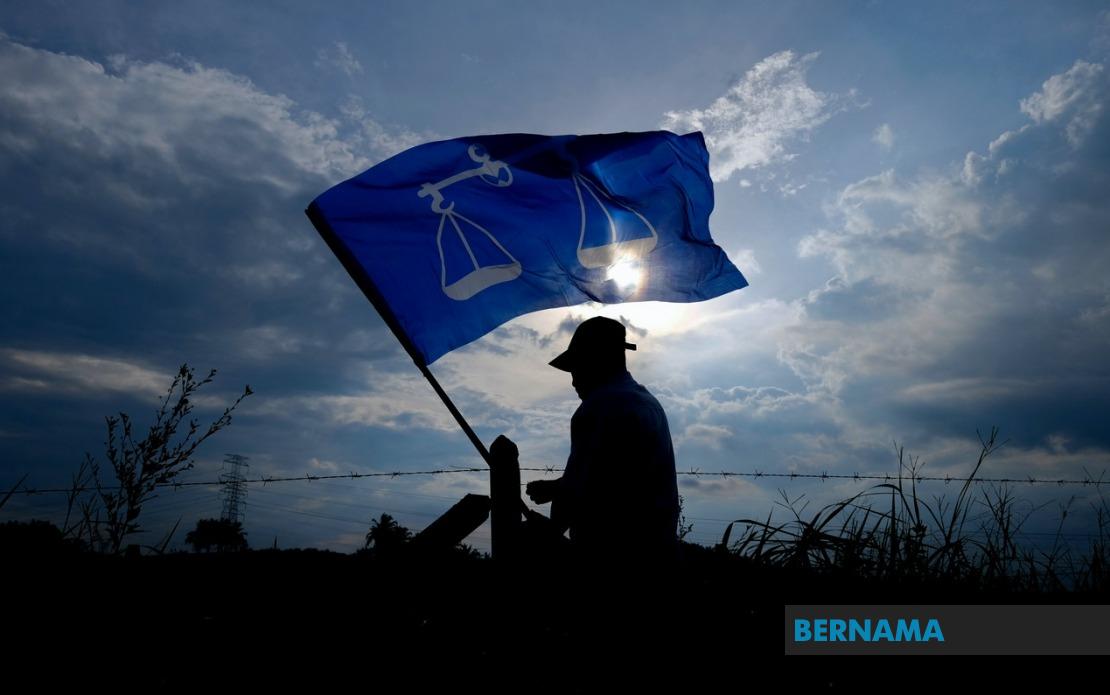
Barisan Nasional will customise its election strategy and candidate selection approach for Negeri Sembilan based on the state's particular demographic composition and voting patterns, according to party chairman Datuk Seri Dr Ahmad Zahid Hamidi. The Deputy Prime Minister made the remarks in Kuala Lumpur on July 13, emphasising that BN recognises the state presents a political landscape sufficiently different from other Malaysian territories to warrant a recalibrated campaign formula. This acknowledgement reflects a broader strategic shift within BN towards data-driven, locality-specific election planning rather than applying a uniform national template across all state contests.
The decision to tailor BN's approach stems from recognition that Negeri Sembilan's seat configuration, population demographics, and established voting patterns create unique electoral dynamics. Ahmad Zahid stressed that a one-size-fits-all strategy would be ineffective given these structural differences, signalling that the coalition intends to invest resources in understanding local voter preferences, socioeconomic profiles, and swing constituencies. Such granular analysis has become increasingly important in Malaysian politics as traditional party loyalties have fractured and floating voters hold greater sway in determining election outcomes. The forthcoming candidate announcements, promised for the same week, would provide the concrete manifestation of this demographic-focused strategy.
The timing of these remarks came during Ahmad Zahid's attendance at a briefing with the TVET@KKDW contingent participating in WorldSkills Shanghai 2026, held alongside Deputy Rural and Regional Development Minister Datuk Rubiah Wang. This juxtaposition of skills development initiatives with electoral strategy highlights how Malaysian political leaders continue balancing immediate party concerns with broader governance portfolios. The WorldSkills event itself underscores BN's effort to project competence in youth training and economic development, messaging that could complement localised campaign efforts in constituencies where employment and skills training resonate with voters.
BN's confidence in tailoring its Negeri Sembilan approach appears buoyed by its recent performance in Johor, where the coalition secured victory in last Saturday's state election. Ahmad Zahid attributed that success to what he termed mental resilience and emotional creativity in navigating campaign challenges. The Johor outcome suggests BN retains capacity to mobilise voters and compete effectively against opposition coalitions, providing momentum that the party aims to carry forward into Negeri Sembilan. However, the contrast between Johor's electoral dynamics and Negeri Sembilan's unique profile indicates that BN leadership remains conscious of avoiding complacency by assuming Johor's formula translates mechanically to other states.
Cooperation discussions with PAS emerged as another significant element of BN's Negeri Sembilan positioning, though Ahmad Zahid clarified that no formal agreement has been struck between the two parties. He characterised ongoing talks as reflecting mutual understanding rather than binding commitment, noting that discussions regarding a proposed candidate for the Menteri Besar position remain preliminary. This measured rhetoric suggests ongoing negotiations with PAS to determine the precise terms of any electoral cooperation, whether involving seat-sharing arrangements or candidate allocation. The absence of a finalised agreement underscores the complex coalition dynamics within Malaysia's federal politics, where state-level arrangements must accommodate both national party positions and local power considerations.
Ahmad Zahid's insistence that no formal BN-PAS agreement exists appears designed to preserve flexibility for BN should negotiations falter or should alternative political arrangements become advantageous. This cautious approach reflects lessons from previous coalition arrangements that foundered when premature public announcements created political pressure or exposed irreconcilable differences. By maintaining ambiguity, BN retains negotiating leverage with PAS while signalling to its own grassroots supporters that the party has not surrendered decision-making authority to external partners. For Negeri Sembilan voters, this uncertainty underscores that the final electoral configuration remains genuinely fluid, potentially influencing campaign dynamics as different coalition possibilities take shape.
Other remarks from Ahmad Zahid addressed internal dynamics within the federal Unity Government, specifically regarding calls for Housing and Local Government Minister Nga Kor Ming to resign. As DAP deputy chairman, Nga Kor Ming had attracted criticism from certain quarters, prompting the BN chairman to counsel restraint and professionalism among coalition partners. Ahmad Zahid argued that public calls for ministerial resignation reflect opposition-style political discourse inappropriate for governing coalition members who share responsibility for administering the country. His characterisation of Nga Kor Ming as a personal friend and commitment to direct communication suggested BN intends to manage such controversies through private dialogue rather than public recrimination.
The defence of Nga Kor Ming and emphasis on Unity Government cohesion reveal Ahmad Zahid's broader concern with maintaining coalition stability as general elections approach. Public disputes between coalition members, particularly those involving DAP representation in cabinet, carry potential to undermine voter confidence in the government's unity and coherence. By minimising such tensions and presenting a unified front, BN and its coalition partners seek to project administrative competence and shared commitment to governance. This strategy becomes particularly important in states like Negeri Sembilan, where voters may weigh the stability and track record of federal government partnerships when deciding state-level electoral preferences.
Ahmad Zahid's assertion that Unity Government leaders maintain good and professional relations at federal level, with all parties functioning as one coordinated team, represents the official coalition narrative as it enters a period of heightened political activity across multiple state elections. However, underlying this optimistic characterisation lie genuine policy disagreements, resource allocation tensions, and competition for electoral credit that occasionally surface publicly. The Negeri Sembilan election will test whether this professed unity translates into effective campaign coordination or whether latent tensions within the coalition become apparent to voters assessing which coalition best represents their interests.
Looking forward, BN's commitment to demographic-responsive strategy in Negeri Sembilan suggests the coalition recognises that electoral success now demands more sophisticated voter targeting than traditional methods alone can provide. This approach aligns with broader global trends in modern campaigning, where voter micro-segmentation, data analytics, and tailored messaging increasingly determine electoral outcomes. For Malaysian politics, such evolution could signal a maturation of campaign practices, though questions remain regarding whether sophisticated targeting genuinely reflects deeper engagement with voter concerns or represents largely cosmetic adjustments to campaign presentation. Negeri Sembilan's upcoming election will provide a significant test of whether BN's demographic focus translates into actual policy responsiveness or remains primarily a campaign technique.

